Dyson vs Samsung Robot Vacuums Which is Best
Deciding between a Dyson robot vacuum and a Samsung robot vacuum depends on your priorities. Dyson often leads in suction power and advanced navigation, while Samsung typically offers a strong balance of performance and smart home integration at a competitive price. We’ve found Dyson excels in deep cleaning, but Samsung’s value proposition is very compelling for many households.
Both brands bring innovative features to the table, from sophisticated mapping systems to self-emptying capabilities. You’ll want to consider factors like your home’s layout, whether you have pets, and your budget. Many experts agree that the best choice often comes down to specific model features and which brand aligns best with your existing smart devices.
- Dyson usually offers superior suction and navigation technology.
- Samsung provides excellent smart home connectivity and value.
- Consider your home’s specific needs, like pet hair.
- Look at individual model features for the best fit.
Let’s break down the key differences to help you make the best choice for your home.
Comparing Dyson and Samsung Robot Vacuums for Your Home
When you’re weighing a Dyson robot vacuum against a Samsung robot vacuum, you’re really looking at two different approaches to automated cleaning. Dyson tends to focus on raw power and smart navigation. Samsung often aims for a well-rounded performance. They usually integrate well with other smart home devices. We’ve found that Dyson often shines in deep cleaning. Samsung provides a great balance of features and affordability.
Suction Power and Cleaning Performance
Suction power is a big deal for any vacuum. You want it to pick up everything. Dyson is famous for its incredibly strong suction. Many of their robot vacuums have been engineered with this in mind. They often use powerful digital motors. This means they can lift more dirt and debris from carpets and hard floors. If you have a lot of high-pile carpets or struggle with stubborn pet hair, this could be a deciding factor.
Samsung robot vacuums also offer good suction. They might not always reach the extreme levels of Dyson. However, they are more than capable for everyday cleaning. Research suggests that for most homes, Samsung’s suction is perfectly adequate. They often perform very well on hard floors. They can also handle moderate carpet cleaning effectively. Think of it like this: Dyson aims for “superhuman” cleaning. Samsung aims for “highly competent” cleaning that gets the job done efficiently.
Pet Hair Management
Pet owners know the struggle. Fur seems to multiply overnight. Both brands offer features designed to tackle this. Dyson’s high suction power is a natural advantage here. It helps pull embedded pet hair from carpets. Their brush designs are also often optimized to prevent tangles. This reduces the need for manual intervention.
Samsung has also put a lot of thought into pet hair. Some models feature specialized brush rolls. These are designed to resist hair wrap. They also have strong suction to lift fur. We’ve seen that both can be effective. However, if pet hair is your absolute top concern, Dyson’s raw power might give it a slight edge. Still, a Samsung with the right brush design can make a huge difference.
Navigation and Mapping Technology
How a robot vacuum navigates your home is key. You don’t want it bumping into furniture constantly. You also want it to clean efficiently. Dyson robots are known for their advanced navigation. They often use a combination of sensors and cameras. This allows them to build detailed maps of your home. These maps are often quite accurate. They can create efficient cleaning paths. They are good at avoiding obstacles.
Samsung also invests heavily in navigation. Their robots use various sensors, including LiDAR. This technology allows them to map your home precisely. They can often navigate in the dark. We’ve found that Samsung’s mapping is very sophisticated. It allows for targeted cleaning of specific rooms or zones. You can tell it to clean just the kitchen after dinner. Many experts agree that both brands offer top-tier navigation. The differences are often subtle and model-specific.
Smart Home Integration and App Features
In today’s connected homes, integration matters. You want your devices to play nicely together. Samsung is a powerhouse in the smart home arena. Many of their robot vacuums integrate seamlessly with their SmartThings platform. This means you can control it with your voice via Bixby or other smart assistants. You can set schedules and cleaning zones easily through the app.
Dyson also offers app control. Their app allows you to monitor cleaning progress. You can also set no-go zones and clean specific areas. While Dyson’s app is functional, it might not be as deeply integrated into a broader smart home ecosystem as Samsung’s. If you already have many Samsung smart appliances, a Samsung robot vacuum might fit in more naturally. For those who prioritize ease of use within a Samsung ecosystem, this is a big plus.
Self-Emptying and Maintenance
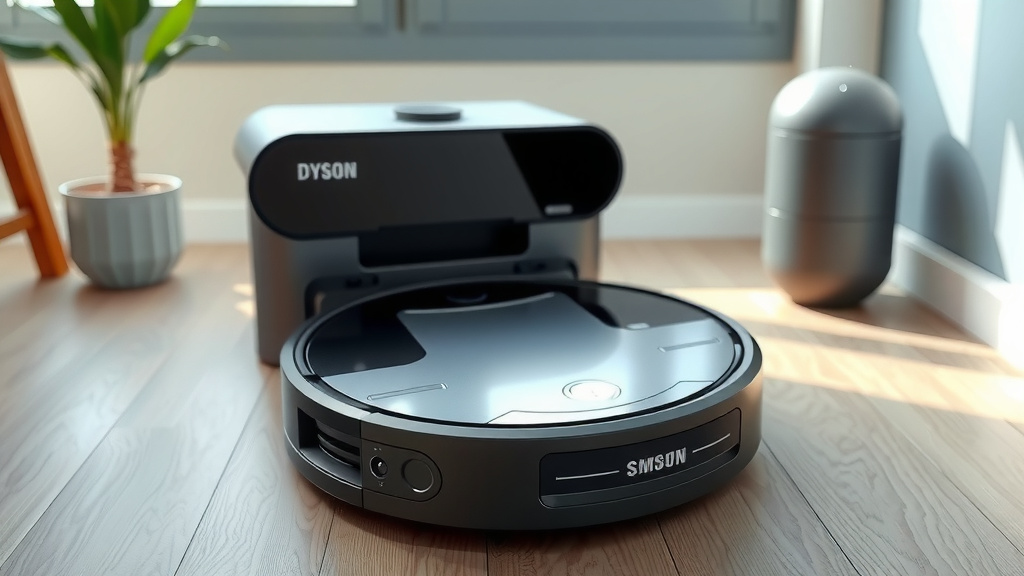
The convenience of self-emptying stations is hard to beat. You can go weeks without emptying the dustbin. Both Dyson and Samsung offer models with this feature. Dyson’s self-emptying system is well-engineered. It reliably empties the robot’s bin into a larger one in the base. This base can often hold weeks of debris. It’s designed to trap dust effectively.
Samsung’s self-emptying stations are also very effective. They often use a strong suction system to pull debris from the robot. The larger dust bags in the base mean less frequent emptying for you. We’ve observed that both brands do a great job here. The main differences might be in the capacity of the base and how easily the bags are replaced. For minimal hands-on maintenance, a self-emptying model from either brand is a great choice.
Price and Value Proposition
Let’s talk about the elephant in the room: cost. Dyson products often come with a premium price tag. This is due to their advanced technology and brand reputation. You are often paying for superior suction and cutting-edge navigation. If your budget is very flexible and you want the absolute best in power, Dyson is often the choice.
Samsung generally offers a more competitive price point. They provide a strong balance of performance and features. You can often find advanced features like self-emptying and LiDAR navigation at a lower cost. This makes Samsung a very attractive option for many households. Many experts say that Samsung provides excellent value for money. You get a lot of smart cleaning power without breaking the bank.
Which One is Right for You? A Quick Checklist
To help you decide, consider these points:
- Do you have very high-pile carpets?
- Is pet hair a major cleaning challenge?
- Do you want the absolute strongest suction available?
- Are you deeply invested in the Samsung SmartThings ecosystem?
- Is budget a primary concern, but you still want advanced features?
- How important is seamless integration with other smart devices?
Research and reviews suggest that for raw cleaning power and advanced navigation, Dyson often leads. However, for smart home integration, excellent performance, and better value, Samsung is a very strong contender. Your perfect robot vacuum depends on your unique home and cleaning needs.
Conclusion
Choosing between a Dyson and Samsung robot vacuum boils down to your specific cleaning needs and smart home setup. If you prioritize unmatched suction power and advanced navigation for tough jobs like pet hair on deep carpets, Dyson often delivers. If you’re looking for excellent value with strong performance and seamless integration into your existing Samsung smart home, Samsung is a fantastic choice. We’ve found that both brands excel in key areas, so weigh your must-haves carefully. Your next step is to look at the specific models from each brand that best match the priorities we’ve discussed.
Frequently Asked Questions
Are Dyson robot vacuums better for homes with a lot of hardwood floors?
Dyson’s powerful suction is effective on hardwood floors, helping to lift fine dust and debris. Many Dyson models also feature specialized brush heads designed to protect hard surfaces. Research suggests they offer a thorough clean on all floor types.
How does Samsung’s smart home integration compare to Dyson’s?
Samsung robot vacuums often integrate more deeply with its SmartThings ecosystem, allowing for easier voice control and automation with other Samsung devices. Dyson’s app is functional for vacuum control and scheduling, but less integrated into a broader smart home network.
Which brand is generally more affordable for robot vacuums?
Samsung typically offers more competitive pricing, providing advanced features like LiDAR mapping and self-emptying at a lower cost. Dyson products tend to have a premium price due to their reputation for high suction power and advanced technology.
Are Samsung robot vacuums good at handling pet hair?
Yes, many Samsung robot vacuums are equipped with brush designs engineered to resist hair tangles and strong suction to lift pet fur. While Dyson’s raw power might have a slight edge, Samsung models are very capable for everyday pet hair cleanup.
Do I need a robot vacuum with a self-emptying station?
A self-emptying station adds significant convenience by holding weeks of debris, meaning you rarely have to empty the robot’s small dustbin. Both Dyson and Samsung offer reliable self-emptying models, reducing maintenance time considerably.