Best Robot Vacuum Cleaning Solution Guide
When it comes to your robot vacuum, you might be wondering what cleaning solution is best. You should generally **avoid harsh chemicals and abrasive cleaners**. Many robot vacuums work best with just **plain water or a manufacturer-recommended cleaning solution** to keep them running smoothly.
Using the wrong liquid can damage your robot vacuum’s components, especially the water tank and sensors. We found that **sticking to approved solutions protects your investment**. It ensures your robot can continue to keep your floors sparkling clean for a long time.
- Use plain water or manufacturer-approved cleaners.
- Avoid vinegar, bleach, and strong detergents.
- Check your robot vacuum’s manual first.
- Specialized robot vacuum solutions are available.
Below, we’ll help you figure out the best cleaning liquid for your specific robot vacuum model and why it matters.
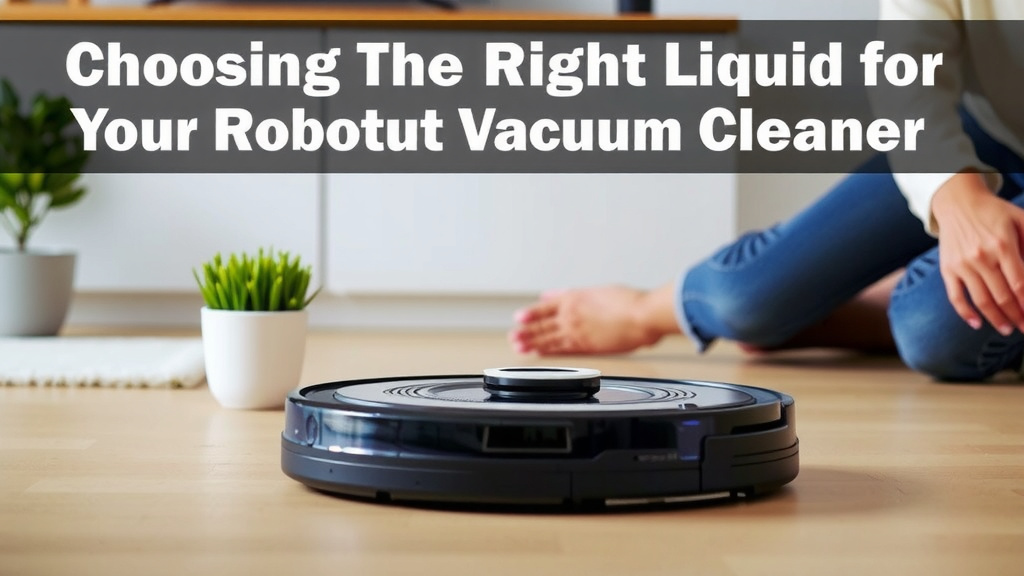
Choosing the Right Liquid for Your Robot Vacuum Cleaner
You’ve got a smart helper cleaning your floors. That’s awesome! But what do you put in its water tank? It’s a common question, and the answer is simpler than you might think. Generally, you should use **plain water or a solution specifically made for robot vacuums**. This helps keep your machine running at its best.
Using the wrong stuff can cause real problems. It can clog the spray nozzles or damage the delicate internal parts. Think of it like giving your robot vacuum a specialized diet. You want to feed it the best so it performs its job well for years to come.
Why Plain Water is Often the Best Choice
For many robot vacuums, especially those with mopping functions, **plain tap water or distilled water is perfectly fine**. It’s the safest bet if you’re unsure. Many models are designed to work without any added cleaning agents at all.
Using just water is a **great way to start**. It cleans up daily messes and spills effectively. This approach avoids introducing any chemicals that could potentially harm the vacuum’s components. It’s also the most **cost-effective option** for you.
Tap Water vs. Distilled Water
Your robot vacuum’s manual will usually tell you what kind of water to use. If it doesn’t specify, consider using **distilled water**. Why? Tap water can contain minerals. Over time, these minerals can build up inside the tank and spray nozzles. This is similar to how mineral deposits form in a coffee maker.
This buildup, often called limescale, can **reduce the effectiveness of the spray function**. It might even lead to clogs. Distilled water has had most of these minerals removed. This makes it a safer choice for the longevity of your robot vacuum, especially if your tap water is hard.
When to Use Specialized Robot Vacuum Cleaning Solutions
Sometimes, plain water isn’t enough for tougher messes. That’s where **specialized robot vacuum cleaning solutions** come in. These are formulated to be safe for your robot’s internal systems. They are designed to break down grease and grime without leaving residue.
We found that these specialized solutions can be very effective. They offer a bit more cleaning power than plain water. Always make sure the solution is **explicitly stated as safe for robot vacuums**. A quick check of the product label is all you need. Many brands offer their own recommended cleaning fluids.
What Makes Them Safe?
These solutions are typically **pH-neutral**. This means they are not too acidic or too alkaline. This is important because harsh pH levels can damage plastics and seals within your robot. They also usually contain **biodegradable ingredients**. This is better for your home environment and the machine.
You’ll often find they are **low-foam or no-foam formulas**. Excessive foam can interfere with the vacuum’s sensors and motor. Brands like iRobot, Roborock, and Shark often have their own branded cleaning solutions. These are engineered to work best with their specific models.
What Cleaning Liquids Should You Absolutely Avoid?
This is where you need to be extra careful. Some common household cleaners can do serious damage. You should **never use harsh chemicals** like bleach or ammonia. These can corrode internal parts and rubber seals. They are also generally not safe for the surfaces they are cleaning, leaving behind harmful residues.
Avoid **abrasive cleaners or scouring pads** for cleaning the robot itself. These can scratch the exterior and damage sensors. Stick to soft cloths for wiping down the unit. Protecting the sensors is key to your robot navigating your home effectively.
Vinegar: A Common Household Cleaner to Skip
You might be tempted to use vinegar. It’s a natural cleaner, right? Well, not always for robot vacuums. While vinegar can be great for other cleaning tasks, its acidity can **damage the seals and internal components** of your robot vacuum. Research suggests that acidic substances can degrade certain plastics and rubber over time (Cleveland Clinic).
The potential for mineral buildup is also a concern. Even diluted, vinegar can contribute to the very mineral deposits you’re trying to avoid. So, for your robot vacuum, it’s best to **skip the vinegar**. There are safer alternatives available.
Strong Detergents and Soaps
You should also steer clear of **dish soap or laundry detergent**. While they are designed to clean, they can create too much foam. As we mentioned, excess foam can cause problems for your robot’s electronics. It can also leave a **sticky residue** on your floors.
This residue can attract more dirt. It might also make your floors slippery. Stick to solutions specifically designed for robot vacuums or plain water. This ensures a clean that is both effective and safe for your machine.
Always Check Your Robot Vacuum’s Manual
We can’t stress this enough: **your robot vacuum’s manual is your best friend**. Every manufacturer has specific recommendations for their products. They know their machines best. What works for one brand might not be suitable for another.
The manual will likely detail the **type of water to use** (tap, distilled, or demineralized). It will also specify whether any cleaning solutions are permitted. It will probably list solutions to **absolutely avoid**. Taking a few minutes to read this can save you a lot of headaches and repair costs later.
Where to Find Your Manual
If you’ve lost the physical copy, don’t worry. Most manufacturers make their manuals available for **download on their websites**. Just search for your specific robot vacuum model number. You’ll usually find a support or download section. It’s a quick way to get the official guidance.
A Quick Checklist for Robot Vacuum Cleaning Liquids
Here’s a simple way to remember what to do:
- Consult your robot vacuum’s manual first.
- Plain water is usually safe.
- Consider distilled or demineralized water.
- Use only manufacturer-approved cleaning solutions.
- Never use bleach, ammonia, or strong detergents.
- Avoid vinegar and other acidic cleaners.
Understanding Your Robot’s Needs
Different robot vacuums have different capabilities. Some are designed for dry vacuuming only. Others come with sophisticated mopping systems. The type of cleaning solution you use depends heavily on this.
For vacuums that only suck up dry debris, you won’t be using any liquid at all. For mopping robots, the liquid is key. Understanding your robot’s **specific functions** will help you make the right choice for its care. It’s all about keeping your trusty floor cleaner in tip-top shape.
Conclusion
You’ve learned that keeping your robot vacuum happy is all about using the right liquids. For most situations, plain water or distilled water is your safest bet. If you need more cleaning power, look for specialized solutions made just for robot vacuums. You’ve also discovered what to avoid: harsh chemicals like bleach, ammonia, and especially vinegar. Always remember that your robot vacuum’s manual is your ultimate guide. By following these simple steps, you’ll protect your investment and keep your floors looking great.
Frequently Asked Questions
Can I use essential oils in my robot vacuum’s water tank?
It’s best to avoid essential oils. While they smell nice, their concentrated oils can potentially clog the tiny spray nozzles. They might also damage the plastic or rubber components inside your robot. Stick to water or approved solutions for optimal performance.
My robot vacuum has a mopping function, can I just use tap water?
For many models, tap water is fine. However, if your tap water is hard, minerals can build up over time. This can affect the mopping performance and even cause clogs. Using distilled or demineralized water is often recommended to prevent this mineral buildup.
What’s the difference between a general floor cleaner and a robot vacuum cleaner?
General floor cleaners can contain ingredients that are too harsh or foamy for robot vacuums. Specialized robot vacuum cleaners are formulated to be pH-neutral and low-foam. This ensures they clean effectively without damaging the robot’s internal parts or sensors.
How often should I clean my robot vacuum’s water tank?
You should aim to empty and rinse your robot vacuum’s water tank after each use, especially if you’ve used any cleaning solution. This prevents lingering moisture that could encourage mold or bacterial growth. It also helps keep the tank and spray nozzles clear.
My robot vacuum manual doesn’t mention cleaning solutions, what should I do?
If your manual is silent on the matter, it’s usually a sign that plain water is the intended solution. As a safe option, consider using distilled water to avoid mineral deposits. If you still want to use a cleaner, seek out products explicitly labeled as safe for robot vacuums.