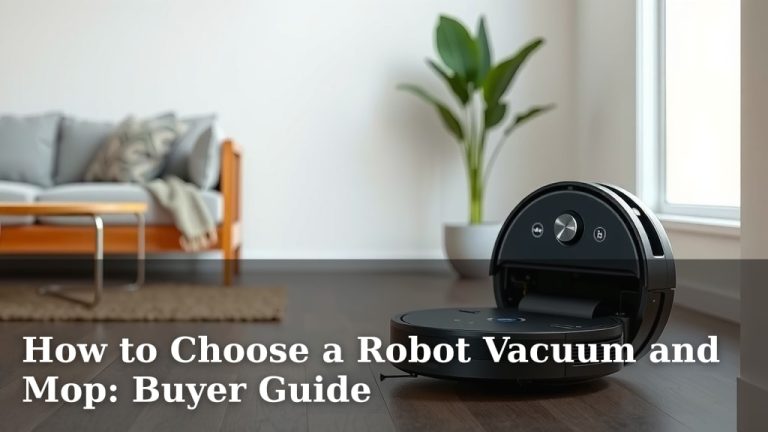
Stop Robot Vacuum Going Under Couch: Easy Fixes
You can easily stop your robot vacuum from getting stuck under the couch. The simplest methods involve creating physical barriers or using your vacuum’s smart mapping features. Most modern robot vacuums have ways to prevent them from venturing into off-limits areas like under low furniture.
Getting your robot vacuum stuck under the couch is a common frustration for many owners. We’ve researched solutions that range from DIY fixes to utilizing your vacuum’s advanced settings. These methods help your robot clean efficiently without the risk of it becoming a permanent fixture under your sofa.
TL;DR:
- Use furniture risers to lift your couch higher.
- Place physical barriers like door stoppers or blocks.
- Set up no-go zones using your vacuum’s app.
- Use magnetic strips or virtual wall devices.
- Ensure your vacuum has updated firmware.
Let’s walk through the most effective ways to keep your robot vacuum from going where you don’t want it to go.
Keeping Your Robot Vacuum From Under the Couch
It’s a common scene: your trusty robot vacuum, bravely venturing into the unknown, only to get hopelessly stuck beneath the couch. You find it days later, a dusty, forlorn dust bunny collector. We understand this frustration! Thankfully, there are several effective ways to prevent your automated cleaner from taking up permanent residence under your sofa.
Physical Barriers: The Simple, Yet Effective Solutions
Sometimes, the easiest approach is the best. Physical barriers are straightforward ways to tell your robot vacuum, “This area is off-limits.” They require minimal setup and are perfect for those hard-to-reach spots.
Furniture Risers: Give Your Couch More Headroom
One of the most popular solutions is to simply raise your furniture. You can buy inexpensive furniture risers online or at most home goods stores. These sturdy blocks slide under the legs of your couch or other furniture. They instantly create more clearance. Your robot vacuum can then glide underneath without getting stuck. It’s a quick fix that makes a big difference for your cleaning routine.
DIY Blocking Techniques
If you want a more temporary or budget-friendly option, try using household items. Small, sturdy blocks can serve as effective barriers. We found that door stoppers, especially the wedge-shaped kind, work well. You can also use small pieces of wood or even heavy-duty cardboard. Just place them strategically under the couch’s frame. Make sure they are secure and won’t be easily knocked over by the vacuum. This prevents it from getting wedged in.
Creating a Perimeter
For a slightly more involved but still simple setup, you can create a makeshift perimeter. Think of it like a tiny, temporary fence for your robot. You can use these methods to create a boundary your robot won’t cross.
Using Everyday Items as Barriers
Consider using items you already have around the house. For instance, you can place larger, heavier objects that your robot cannot move. Think decorative baskets, storage bins, or even dense floor mats. Position them around the perimeter of the couch legs. Ensure there are no gaps large enough for your vacuum to squeeze through. This method requires a bit of trial and error to get right.
Specialized No-Go Zone Products
Several companies offer products specifically designed to block robot vacuums. These include magnetic strips that you can place along the edges of rugs or furniture legs. Your robot vacuum, equipped with the right sensors, will detect these strips and avoid them. Another option is a virtual wall device. These battery-powered units emit an infrared beam. Your robot will recognize this beam as a barrier and turn away. Many robot vacuum brands sell these compatible accessories.
Leveraging Your Robot Vacuum’s Smart Features
Most modern robot vacuums come with advanced technology that can help manage where they go. If yours has app connectivity, you have powerful tools at your disposal.
No-Go Zones and Virtual Walls in the App
Many robot vacuums connect to a smartphone app. This app often allows you to create virtual no-go zones. You can draw these areas directly on a map of your home that your robot creates. Simply outline the space under your couch. The robot will then avoid cleaning these designated areas. This is an incredibly precise and convenient solution. It offers a clean look without any physical clutter. Many users find this feature a game-changer for managing furniture obstacles.
Creating “Keep Out” Areas
Similar to no-go zones, some apps allow you to set specific “keep out” lines. You can draw these lines around furniture legs or entire furniture pieces. The robot will respect these lines and won’t attempt to cross them. This is especially useful if you only want to block a specific entrance under the couch, rather than the entire area. Always ensure your robot’s Similar to no-go zones, some apps allow you to set specific keep out lines around furniture.firmware is up-to-date. Manufacturers release updates to improve navigation and feature functionality.
Mapping and Room Segmentation
If your robot vacuum has advanced mapping capabilities, you can also use its room segmentation feature. You might be able to tell your robot to clean specific rooms or zones, and exclude others. For instance, you could map your living room but then tell the app to exclude the “under couch” zone from its cleaning schedule. This takes a bit more initial setup but offers great control over cleaning patterns. It ensures your robot focuses its efforts where you want it.
When to Consider Furniture Modification
Sometimes, the root of the problem is simply the height of your furniture. If your couch is particularly low, it might be worth considering a more permanent solution.
Assessing Your Furniture’s Clearance
Before buying anything, get a tape measure. Check the actual clearance height between the floor and the lowest part of your couch frame. Most robot vacuums require at least 3 to 4 inches of clearance to operate effectively. If your couch is lower than that, it’s a clear indication that you need to address the furniture height itself. This can save you frustration with temporary fixes.
The Long-Term Benefits of Higher Furniture
Investing in slightly taller furniture or using robust risers can have other benefits. It can make cleaning around the furniture easier for both robot and human vacuums. It also allows for better airflow under the couch. This can help reduce dust buildup. While it’s a bigger step, it offers a permanent solution to the under-couch problem. It ensures your robot vacuum can do its job without issue.
Quick Checklist for Preventing Under-Couch Stays
Here’s a quick rundown to help you manage your robot vacuum:
- Measure your couch’s clearance.
- Install furniture risers for more height.
- Use door stoppers or blocks as temporary barriers.
- Set up no-go zones in your vacuum’s app.
- Explore virtual wall devices or magnetic strips.
- Update your robot vacuum’s software regularly.
Conclusion
You now have a toolkit of effective ways to stop your robot vacuum from getting stuck under the couch. We’ve seen how simple physical barriers like furniture risers or DIY blocks can work wonders. You can also use your vacuum’s smart mapping to set up no-go zones. Whichever method you choose, the goal is a cleaner home without the frustration of a stuck robot. Your next step is to assess your couch’s clearance and pick the solution that best fits your needs and budget!
Frequently Asked Questions
Will furniture risers damage my couch?
Generally, no. Most furniture risers are designed with sturdy, stable bases that distribute weight evenly. You’ll want to ensure the risers are the correct size and shape for your couch legs to avoid any wobbling or pressure points.
How do I know if my robot vacuum has no-go zone features?
You can usually find this information in your robot vacuum’s user manual or by checking the product specifications on the manufacturer’s website. Most vacuums with app connectivity offer no-go zone capabilities.
Are virtual wall devices reliable?
Yes, virtual wall devices are generally reliable for blocking off specific areas. They create an invisible infrared beam that your robot vacuum detects as a barrier, preventing it from crossing.
What if my couch has no legs, just a solid base?
If your couch has a solid base with very little clearance, physical barriers like door stoppers or blocks placed along the edge might be your best bet. You could also consider using furniture risers if the design allows for them to be placed under the main frame.
How often should I update my robot vacuum’s firmware?
It’s a good practice to check for firmware updates periodically, perhaps once every few months. Manufacturers often release updates to improve navigation, obstacle avoidance, and overall performance.