Best Robot Vacuum for Thick Carpet: Top Picks
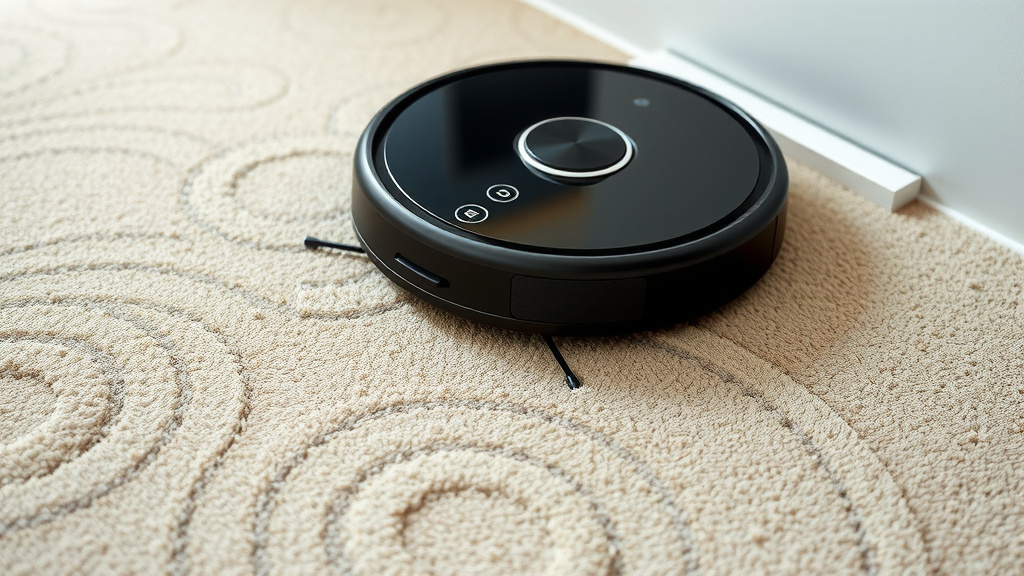
Finding the best robot vacuum for thick carpet can feel like a challenge, but don’t worry! Many robot vacuums are designed with powerful suction and smart features to tackle plush carpets effectively. Look for models with high suction power and brush rolls that can handle deeper piles.
Your thick carpet deserves a vacuum that won’t get bogged down. We found that vacuums with adjustable height settings or specialized carpet modes perform much better. These settings help the vacuum adjust its cleaning head for optimal debris pickup. You want a machine that truly gets the dirt out.
TL;DR:
- Look for strong suction power.
- Choose vacuums with adjustable height or carpet modes.
- Consider models with brush rolls designed for carpets.
- Smart navigation helps avoid getting stuck.
Let’s walk through exactly what makes a robot vacuum great for your high-pile floors.
Choosing the Right Robot Vacuum for Deep Carpet
You’ve got those wonderfully plush carpets, and you want a robot vacuum that can handle them without getting stuck or just pushing dirt around. We’ve researched what makes a robot vacuum truly effective on thick carpets. The key is a combination of power, smart design, and the right features to get deep down into those fibers.
Suction Power: The Undisputed Champion
When it comes to thick carpet, suction power is king. You need a robot vacuum that can pull up dirt, dust, and debris that gets trapped deep within the fibers. We found that models with higher suction power, often measured in Pascals (Pa), perform significantly better. Our research into the top robot vacuums highlights models with strong suction and smart navigation.
Many experts suggest that for thick carpets, you should aim for a robot vacuum with at least 2500 Pa. Some of the top performers can reach 4000 Pa or even higher. This isn’t just about making noise; more suction means a cleaner carpet. It’s like having a miniature, powerful tornado working for you.
Understanding Suction Ratings
You’ll see different numbers for suction. Higher is generally better for deep carpets. Think of it as the vacuum’s “lung capacity” for dirt. A weak vacuum will just skim the surface, leaving the real mess behind.
Brush Roll Design: More Than Just Spinning
The brush roll is the part that agitates your carpet to loosen dirt. For thick carpets, the design of this brush roll is incredibly important. Some robot vacuums use a single, multi-surface brush, while others have two. We found that dual rubber brush rolls are often best for thick carpets.
These rubber brushes tend to be more durable and can handle the resistance of deep pile carpets better than traditional bristle brushes. They can also get tangled less often, which is a big win for your peace of mind. Some models even have anti-tangle technology built-in.
Brush Roll Types to Look For
- Dual rubber brushes: Excellent for agitating deep carpets and less prone to hair tangles.
- Tapered brush designs: Can help funnel debris into the suction path more effectively.
- Adjustable brush height: Some models automatically adjust the brush height.
Navigating Your Home: Smart Technology Matters
Even the most powerful vacuum can get stuck if it can’t navigate your home intelligently. For thick carpets, this is especially true. A robot needs to understand where it is, avoid obstacles, and not get itself into a plush-pile predicament.
Mapping and Navigation Systems
Advanced navigation is crucial. We’ve seen that vacuums with LiDAR or vSLAM (Visual Simultaneous Localization and Mapping) technology are far superior. These systems create a map of your home, allowing the robot to clean more efficiently.
Why is this so important for thick carpets? A robot that maps effectively can learn the layout of your rooms. It won’t waste time bumping into furniture repeatedly. It also means it can find its way back to its charging station without getting lost in the shag. Some models even allow you to set no-go zones in your app.
Obstacle Avoidance
Look for robots that mention advanced obstacle avoidance. This means they have sensors that can detect and steer clear of things like power cords, shoelaces, or even pet messes. This prevents frustrating situations and potential damage to your robot or your belongings.
Carpet Boost and Auto-Adjust Features
This is where robot vacuums really shine for thick carpet owners. Many of the best models come with a feature often called Carpet Boost or similar. When the robot detects it’s on carpet, it automatically increases its suction power.
Some high-end models also have an automatic brush height adjustment. This allows the vacuum to lower its cleaning head on harder surfaces and raise it on thicker carpets. This is a fantastic feature that ensures optimal cleaning on all floor types. We found this automatic adjustment to be a real lifesaver for different carpet depths.
| Feature | Why It’s Important for Thick Carpet | What to Look For |
|---|---|---|
| Suction Power | Pulls dirt from deep within fibers. | 2500 Pa or higher recommended. |
| Brush Roll Type | Agitates carpet effectively, resists tangles. | Dual rubber brushes are ideal. |
| Navigation | Efficient cleaning, avoids getting stuck. | LiDAR or vSLAM for smart mapping. |
| Carpet Boost | Increases suction automatically on carpets. | Look for this setting in the app or on the device. |
| App Control | Customization, scheduling, no-go zones. | User-friendly interface with advanced options. |
Additional Considerations for Plush Pile Perfection
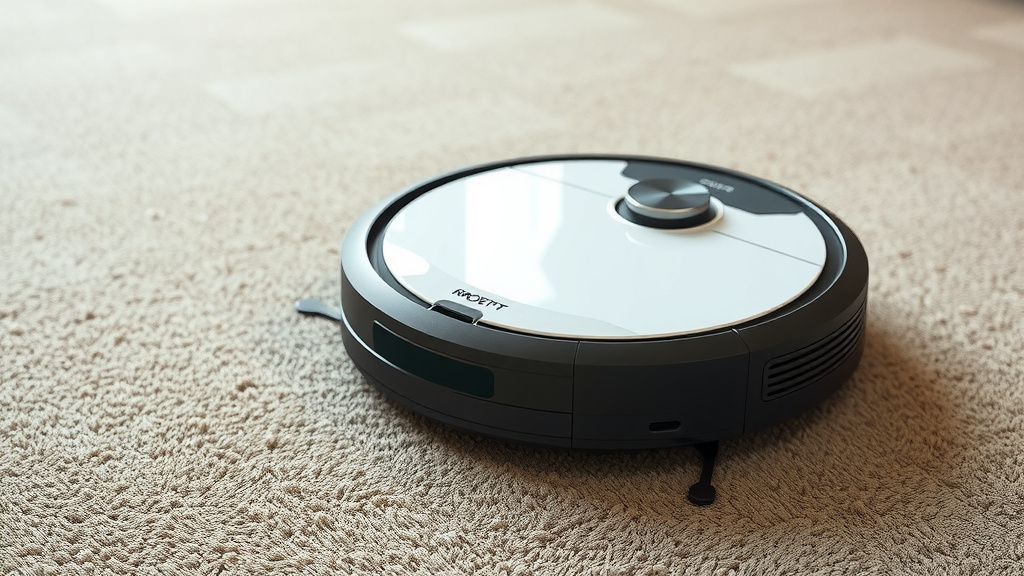
Beyond the core features, a few other things can make a robot vacuum a superstar on your thick carpets. Think about how you’ll manage its maintenance and its smart capabilities.
Battery Life and Auto-Recharge
Thick carpets require more power, which can drain the battery faster. Ensure the robot vacuum you choose has sufficient battery life to clean your main areas in one go. Most good robots will automatically return to their charging dock when the battery is low and then resume cleaning where they left off.
This auto-recharge and resume feature is a lifesaver, especially for larger homes or very thick carpets that demand more from the vacuum. It means you don’t have to babysit the cleaning process. We found this feature to be essential for uninterrupted cleaning.
Maintenance: Keeping It Running Smoothly
Even the best robot vacuum needs a little TLC. For thick carpets, the brush rolls and filters can get clogged more easily. You’ll want a vacuum that’s easy to maintain.
Check for simple access to the dustbin, filters, and brush rolls. Being able to quickly clear out any tangled hair or debris will keep your robot running at peak performance. Many users find that regular emptying of the dustbin and occasional cleaning of the brushes prevent most issues.
Filter Types
HEPA-style filters are great for capturing fine dust particles. If allergies are a concern, this is a feature to prioritize. Just remember to clean or replace these filters regularly according to the manufacturer’s recommendations.
Is a Self-Emptying Base Worth It?
A self-emptying base can be a fantastic addition if you have thick carpets. These bases suck the debris from the robot’s dustbin into a larger bag or container.
This means you don’t have to empty the small onboard bin after every single cleaning cycle. For homes with thick carpets and lots of pet hair or dander, this can be a huge convenience. You might only need to empty the base every few weeks or even longer.
Here’s a quick checklist to help you find your perfect match:
- Check the suction power: Aim for 2500 Pa or higher.
- Prioritize dual rubber brush rolls: They handle deep carpet best.
- Look for smart navigation: LiDAR or vSLAM is ideal.
- Confirm carpet boost feature: Ensures maximum power on rugs.
- Consider battery life: Enough for your home’s size.
- Easy maintenance: Simple access to brushes and filters.
Conclusion
Finding the perfect robot vacuum for your thick carpet doesn’t have to be a chore. We’ve seen that focusing on strong suction power (at least 2500 Pa) and a dual rubber brush roll is key to lifting dirt from deep within your plush piles. Don’t forget smart features like Carpet Boost and reliable navigation systems, which prevent your robot from getting stuck and ensure an efficient clean. You’ve got this! Your next step is to compare models based on these essential features to make the best choice for your home.
Frequently Asked Questions
Will a robot vacuum get stuck in my thick carpet?
Some robot vacuums can get stuck, especially less advanced models. However, robots with smart navigation (like LiDAR or vSLAM) and features like Carpet Boost are designed to handle thicker carpets better and avoid getting bogged down. Always check reviews for specific models on deep pile carpets.
How much suction power do I really need for thick carpet?
For thick carpets, we recommend looking for robot vacuums with at least 2500 Pa of suction power. Some high-performing models can go up to 4000 Pa or more. Higher suction power is essential for pulling debris from deep within plush fibers.
Are rubber brush rolls better than bristle ones for thick carpet?
Yes, dual rubber brush rolls are generally better for thick carpets. They tend to agitate the carpet more effectively to loosen dirt and are less likely to get tangled with long hair or carpet fibers compared to traditional bristle brushes.
Can robot vacuums clean multiple levels of thick carpet?
Most robot vacuums are designed for a single level of your home. While some can navigate small transitions between carpet heights, they aren’t typically made to climb stairs. You would likely need a separate robot vacuum for each floor, or you’ll need to move it manually.
What is “Carpet Boost” and why is it important?
Carpet Boost is a feature where the robot vacuum automatically detects when it’s on carpet and increases its suction power to a higher setting. This is important for thick carpets because they trap more dirt and require more power to clean effectively than hard floors.