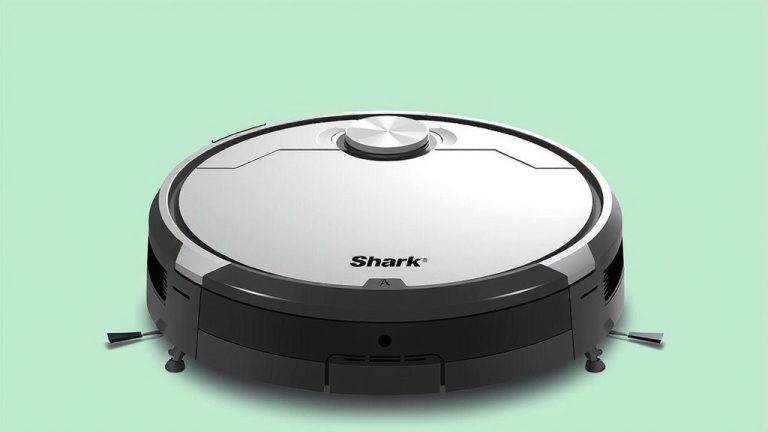
Clean a Shark Robot Vacuum Filter: Easy Guide
The easiest way to clean your Shark Robot Vacuum filter is by rinsing it with water. You should do this regularly to keep your vacuum running smoothly. A clean filter means better suction and a longer lifespan for your robot.
We found that neglecting your vacuum’s filter can lead to a drop in performance. It can also cause your robot to work harder, using up battery life faster. Keeping the filter clean is a simple step that makes a big difference.
- Rinse the filter with cool water.
- Tap out any loose debris.
- Let it air dry completely.
- Clean it every couple of weeks.
Ready to get your Shark robot back in tip-top shape? Let’s walk through exactly how to clean that filter step by step.
Keeping Your Shark Robot Vacuum Filter Clean: A Simple Guide
Your Shark robot vacuum is a workhorse. It helps keep your floors spotless. But like any machine, it needs a little care. The most important part is its filter. A clogged filter means less suction. It can also make your robot work harder. Let’s get that filter sparkling clean!
Why Filter Maintenance Matters
Think of your vacuum’s filter like your own lungs. You wouldn’t want them full of dust, right? A dirty filter can’t do its job effectively. It lets dust and debris build up. This means your robot picks up less dirt. You might notice it leaving little piles behind. Research shows that proper filter cleaning can restore suction power (ACEEE).
It also affects how long your robot runs. When the filter is blocked, the motor struggles. This uses more battery power. You’ll find yourself needing to recharge more often. Cleaning the filter is a small task with a big impact on performance and battery life. Many manufacturers recommend regular cleaning to ensure optimal function.
When to Clean Your Shark Vacuum Filter
How often should you get your hands dirty? We found that every two weeks is a good starting point for most homes. If you have pets that shed a lot, or if your home tends to be dusty, you might need to clean it weekly. Pay attention to your robot. If you notice a decrease in suction, it’s definitely time for a clean filter.
Some Shark models have indicator lights. These lights might signal when it’s time to clean or replace the filter. Always check your robot’s manual for specific recommendations. It’s better to clean it a little too often than not enough. Your robot will thank you with a cleaner home.
Gather Your Cleaning Supplies
You don’t need fancy tools for this job. Most likely, you already have everything you need. You’ll want a clean sink or bucket. Running water is essential. A soft brush, like an old toothbrush, can be helpful for stubborn bits. And of course, your Shark robot vacuum!
Make sure you have a dry place for the filter to air out afterward. Damp filters can cause mold and mildew. This is bad for your robot and your air quality. Research from the National Institute of Environmental Health Sciences points out the importance of controlling indoor allergens. A clean filter helps with that.
Step-by-Step Filter Cleaning Process
Ready to dive in? Let’s make this quick and easy. Follow these steps carefully.
Step 1: Locate and Remove the Filter
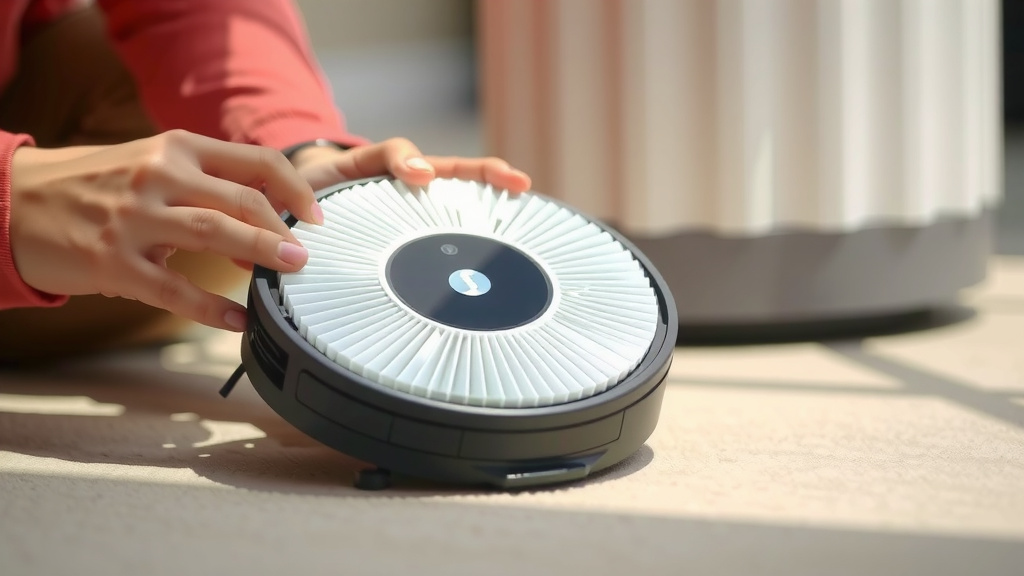
First, you need to find the filter. It’s usually located in the dustbin compartment. Open the compartment and carefully lift out the dustbin. Inside, you’ll see the filter. It might be a single unit or have multiple parts. Gently pull it out. Avoid forcing it.
Step 2: Empty the Dustbin
Before you tackle the filter, empty the dustbin. Take it over a trash can and tap out all the loose debris. You can give it a quick wipe with a dry cloth if needed. Getting rid of this initial gunk makes cleaning the filter much easier.
Step 3: Rinse the Filter with Water
This is the main cleaning step. Take the filter to your sink. Use cool, running water. Don’t use hot water, as it can damage the filter material. Hold the filter under the tap and let the water flow through it. You should see the dirt and dust washing away.
Gently agitate the filter with your fingers as the water runs. This helps dislodge trapped particles. Don’t scrub too hard. You’re not trying to sand it down. Just a gentle rinse is all it needs. Many sources suggest rinsing until the water runs clear.
Step 4: Tap Out Excess Water and Debris
Once you’ve rinsed it well, gently shake the filter. Tap it against the side of the sink. This helps to get rid of excess water. You might see a few more bits of debris fall out. This is normal. Just keep tapping until most of the water is gone.
Step 5: Air Dry Completely
This is a critical step. You must let the filter air dry completely. Never put a wet or damp filter back into your vacuum. Place it in a well-ventilated area. It can take anywhere from 12 to 24 hours to dry thoroughly. You can place it near a fan to speed things up. Patience here is key to avoiding damage.
You can use a soft brush, like an old toothbrush, to gently clean any stubborn debris from the filter before drying. Just be very gentle. This ensures no lingering particles remain. Ensure the filter is bone dry before reassembly.
Step 6: Reassemble Your Robot
Once your filter is completely dry, it’s time to put everything back together. Carefully place the dry filter back into the dustbin. Reinsert the dustbin into your Shark robot. Close the compartment securely. Your robot is now ready to get back to work!
Troubleshooting Common Filter Issues
What if your filter looks like it’s seen better days? Sometimes, even with regular cleaning, filters can wear out. If you notice tears, thinning material, or if it just won’t come clean, it might be time for a replacement. Check your Shark manual for part numbers.
When to Replace Your Filter
Most Shark robot vacuum filters are designed to be washable. However, they aren’t immortal. We found that replacing the filter every 3 to 6 months is a good general guideline. This can vary based on usage and your home environment. A new filter can make a noticeable difference in your robot’s cleaning power.
A Quick Filter Cleaning Checklist
Here’s a handy checklist to keep you on track:
- Empty the dustbin completely.
- Rinse the filter under cool, running water.
- Gently tap out excess water and debris.
- Allow the filter to air dry fully (24 hours recommended).
- Ensure the filter is 100% dry before reinserting.
- Replace the filter every 3-6 months for best performance.
| Do | Don’t |
|---|---|
| Use cool water for rinsing. | Use hot water or harsh chemicals. |
| Tap out loose debris gently. | Scrub aggressively or use abrasive materials. |
| Air dry the filter completely. | Put a damp filter back into the vacuum. |
| Clean the filter every 2 weeks. | Ignore warning signs like reduced suction. |
| Replace worn-out filters promptly. | Run the vacuum with a damaged filter. |
Conclusion
You’ve learned how simple it is to keep your Shark robot vacuum running at its best. Regularly cleaning your filter by rinsing it with cool water is key. Remember to always let it air dry completely before reassembly. This small habit prevents performance drops and extends your robot’s life.
Don’t forget to replace your filter every 3 to 6 months for optimal cleaning power. Your robot works hard for you, and a little filter care goes a long way. Make this a part of your regular home maintenance routine!
Frequently Asked Questions
Can I use soap or detergent to clean my Shark robot vacuum filter?
No, it’s best to avoid using soap or any harsh detergents. These cleaning agents can damage the filter material and reduce its effectiveness. Stick to plain cool water for rinsing.
How do I know if my Shark robot vacuum filter needs replacing?
You should consider replacing your filter if you notice visible tears, it seems thin, or if it no longer comes clean after thorough rinsing. A noticeable and persistent drop in suction power, even after cleaning, also indicates it’s time for a new one.
What happens if I put a damp filter back in my Shark robot vacuum?
Putting a damp filter back can lead to mold and mildew growth. This not only affects your home’s air quality but can also damage your robot’s internal components. Always ensure the filter is completely dry.
My Shark robot vacuum is still not picking up dirt well after cleaning the filter. What else could be wrong?
If a clean filter doesn’t solve the suction issue, check the brushes and wheels for tangled hair or debris. Also, ensure the dustbin is properly seated and not overfilled. Sometimes, the robot’s path sensors may need a gentle wipe.
Can I speed up the drying time for my Shark robot vacuum filter?
Yes, you can help speed up the drying process. Place the rinsed filter in a well-ventilated area and consider using a fan to circulate air around it. However, avoid using heat sources like hairdryers, as this can damage the filter.