
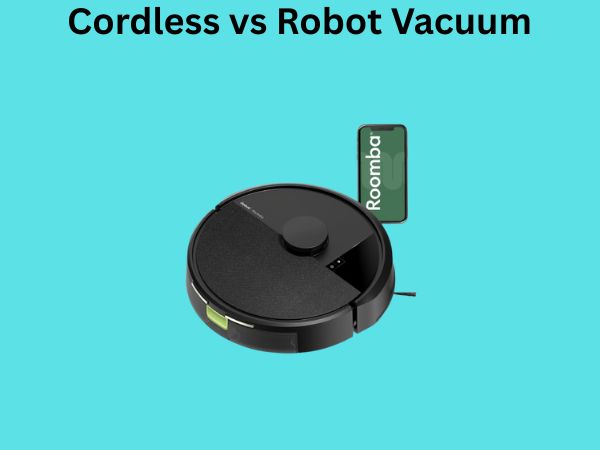
Cordless vs Robot Vacuum: Which Cleaning Solution Fits You Best?
Stepping into your living room in 2026 and spotting dust bunnies staging a takeover under the sofa? You’re not alone. The age-old question of how to tackle household chores has a high-tech twist: cordless stick vacuum or autonomous robot vacuum? As smart home tech continues its relentless march, both promise to reclaim your time and sanity, but their approaches to cleanliness are worlds apart. Let’s cut through the clutter and figure out which powerhouse belongs in your cleaning arsenal.
Understanding the Landscape: What Makes These Vacuums Different?
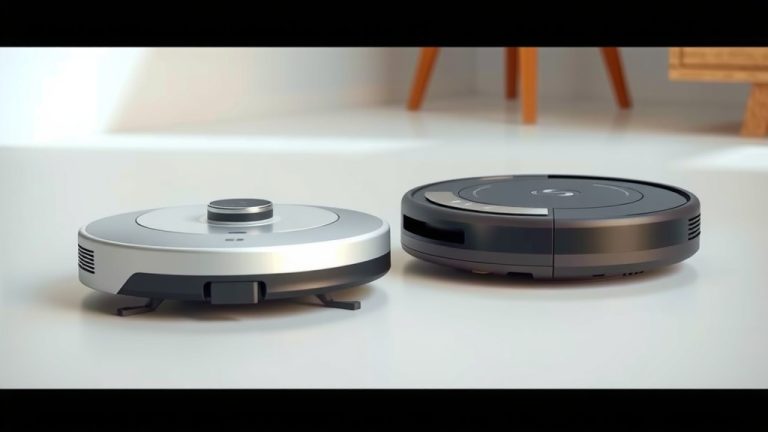
Before we dive deep into comparisons, let’s establish what we’re actually talking about here. A cordless vacuum is a handheld or upright cleaning device powered by rechargeable batteries that you actively control and push around your home. A robot vacuum, on the other hand, is an autonomous disc-shaped machine that navigates your floors independently while you do literally anything else. Think of it like comparing a personal trainer who works with you versus an automated fitness app that works while you sleep.
The Cordless Vacuum: Your Active Cleaning Partner
Cordless vacuums have transformed the way many people approach household cleaning. They’re lighter than traditional corded models, more maneuverable, and they give you complete control over where your vacuum goes and how thoroughly it cleans. You’re the decision-maker, the pilot of this cleaning vessel.
The Robot Vacuum: Your Autonomous Helper
Robot vacuums represent the future of automated home cleaning. These intelligent machines use sensors and sometimes sophisticated mapping technology to navigate your floors, detect obstacles, and return to their charging dock when energy runs low. You set them, forget them, and come home to cleaner floors.
Cordless Vacuum Advantages That Actually Matter
Superior Cleaning Power and Control
Here’s the truth: cordless vacuums give you the power to clean exactly how you want. You can apply extra suction to stubborn pet hair, adjust your technique for delicate rugs, and target specific problem areas. That control is invaluable when you encounter something particularly challenging. Can a robot vacuum do this? Not really. It follows its programming, and that’s it.
Versatility Across Multiple Surfaces
Whether you’re cleaning hardwood floors, thick carpets, stairs, furniture, or tight corners, your cordless vacuum adapts to each situation. Most modern cordless models come with multiple attachments—crevice tools, brush heads, upholstery nozzles—that transform them into complete cleaning systems. This versatility is especially crucial if you have a multi-surface home with various flooring types.
Immediate Results Without Scheduling
When you spill something or notice visible dirt, you can grab your cordless vacuum immediately. There’s no waiting for a scheduled cleaning cycle or dealing with dust particles that have settled into unintended places. You’re the boss of when cleaning happens.
Stairs and Vertical Surfaces
Robot vacuums simply cannot climb stairs. This is a fundamental limitation. If your home has multiple levels, a cordless vacuum becomes essential for keeping those stairs clean. Cordless models, especially lightweight ones, make tackling stairs effortless compared to dragging a heavy corded vacuum up and down.
Cost-Effectiveness Initially
Quality cordless vacuums generally cost less than quality robot vacuums. If you’re budget-conscious and want a powerful cleaning solution without breaking the bank, cordless is often your answer. You can find excellent cordless models in the $400-$800 range that will serve you for years.
Cordless Vacuum Limitations You Should Know About
Battery Life and Runtime Concerns
Most cordless vacuums offer 20 to 60 minutes of runtime on a single charge. If you have a large home, you might need to charge mid-cleaning session. This is less of an issue in smaller apartments, but in sprawling houses, it becomes inconvenient. Battery degradation also means that over time, runtime gradually decreases.
Physical Effort Required
Unlike robot vacuums, you must be present and actively engaged in the cleaning process. If you have mobility issues, arthritis, or simply prefer not to push a machine around, cordless vacuums demand physical exertion. This isn’t a limitation for everyone, but it’s definitely worth considering if you’re not physically active.
Regular Maintenance Duties
You’ll need to empty the dustbin regularly, clean filters, and maintain the brush roll. While these tasks aren’t difficult, they’re additional responsibilities that robot vacuums handle differently.
Robot Vacuum Advantages That Change Everything
Truly Hands-Off Convenience
Imagine setting your vacuum to run while you sleep, work, or spend time with family. When you wake up or return home, your floors are already clean. This is the magic of robot vacuums. They operate independently, giving you back time that you’d otherwise spend cleaning. For busy professionals, this benefit alone might justify the investment.
Consistent Cleaning Schedule
Robot vacuums can run on a schedule. You set them to clean every day, every other day, or whenever suits your lifestyle. This consistency means dirt and debris get picked up regularly before they accumulate and become more visible. Your floors remain perpetually tidier with minimal effort from you.
Smart Home Integration
Modern robot vacuums often integrate with smart home systems. You can start a cleaning cycle from your phone, receive notifications when cleaning is complete, and even map out specific rooms to clean. Some models work with voice assistants, allowing you to command them verbally. This technology integration appeals to people who love smart home automation.
No Physical Exertion
If you have limited mobility, chronic pain, or simply don’t want to expend physical energy on vacuuming, a robot vacuum becomes a game-changer. It democratizes home cleaning for people who might otherwise struggle with traditional vacuums.
Long-Term Time Savings
Calculate the hours you spend vacuuming annually. For someone who vacuums for 3 hours weekly, that’s 156 hours per year. Robot vacuums reclaim that time. Over five years, you’re recovering over 780 hours—that’s about 32 full days of your life back in your pocket.
Robot Vacuum Limitations That Frustrate Owners
Cannot Handle Stairs
This is the elephant in the room. Robot vacuums cannot and will not climb stairs. If your home is multi-level, you’ll need a cordless vacuum for those stairs regardless. This single limitation eliminates robot vacuums as a complete solution for many households.
Struggles with Certain Obstacles
While technology improves constantly, robot vacuums still occasionally get stuck under furniture, tangled in cords, or confused by specific obstacles. You might occasionally need to rescue your vacuum or move items out of its way before setting it loose. This isn’t fully hands-off in practice.
Higher Initial Investment
Quality robot vacuums typically cost between $600 and $2,500 depending on features. This is significantly more than many cordless vacuums. If budget is your primary concern, this upfront cost might be prohibitive.
Limited Cleaning Power on Carpets
Robot vacuums are generally excellent on hardwood and tile, but their suction power is typically weaker than dedicated cordless vacuums, especially on thick carpets or stubborn dirt. If your home is heavily carpeted with pet hair, a cordless vacuum likely performs better.
Regular Maintenance Still Required
Despite being autonomous, robot vacuums still need emptying, filter cleaning, and brush maintenance. You’re not completely free from upkeep; you’re just handling it less frequently.
Comparing Performance: Whose Floors Win?
Hardwood and Tile Floors
Robot vacuums excel on hard floors. They efficiently pick up dust and crumbs and can run daily for perpetually clean surfaces. Cordless vacuums also clean hard floors beautifully but require your active participation.
Carpeted Areas
Cordless vacuums typically deliver superior cleaning on carpets, especially thick pile carpets or areas with substantial pet hair. Their stronger suction and your active control mean more thorough cleaning. Robot vacuums manage light carpet cleaning adequately but may miss deeply embedded dirt.
Pet Hair Challenges
If you have shedding pets, a cordless vacuum gives you better control over tangled hair and the ability to apply extra suction where needed. Robot vacuums work well for light shedding but can struggle with heavy pet hair, and their brush rolls can become tangled more easily.
Overall Cleanliness Level
A robot vacuum provides continuous light cleaning that keeps your home consistently tidier. A cordless vacuum provides deeper, more intensive cleaning when you use it. Which is “better” depends on your priorities: continuous maintenance versus thorough occasional cleaning.
Cost Considerations: More Than Just Purchase Price
Initial Purchase Investment
Budget cordless vacuums start around $300-$400, while quality robot vacuums begin around $600-$800. This matters if you’re cost-conscious upfront.
Long-Term Operating Costs
Cordless vacuums may require battery replacements after 3-5 years, typically costing $100-$300. Robot vacuums may need wheel replacements, sensors, or brush roll upgrades, similarly ranging from $50-$300. Both incur maintenance costs over time.
Electricity Consumption
Robot vacuums run more frequently but use less power per cycle. Cordless vacuums use more power when running but operate less frequently. Annually, electricity costs are negligible for both options in most homes.
Time as Currency
If you value your time highly, the robot vacuum’s convenience translates to financial value. If you have plenty of free time or enjoy the hands-on cleaning process, this value proposition weakens.
The Best Choice for Different Households
Choose Cordless If You Have:
- A multi-level home with stairs
- Primarily carpeted flooring
- Multiple pets with significant shedding
- A tight budget requiring lower upfront costs
- Furniture that’s difficult for robots to navigate
- A strong preference for thorough, intensive cleaning
- Various floor types requiring surface-specific attention
Choose Robot If You Have:
- A single-level home or primarily one living level
- Mostly hard floors or low-pile carpets
- A busy lifestyle where time is precious
- Light to moderate dust and debris levels
- An open floor plan without many obstacles
- Interest in smart home technology integration
- The budget to invest in premium cleaning technology
The Hybrid Approach: Why Not Both?
Here’s a perspective that might seem counterintuitive: many smart homeowners use both. They use a robot vacuum for daily maintenance of their main living areas and a cordless vacuum for stairs, carpets, furniture, and detailed cleaning. This combination gives you the best of both worlds—continuous automated maintenance plus deep cleaning capability when needed.
If your home layout and budget allow, this hybrid approach is genuinely optimal. The robot handles routine floor maintenance while you use cordless for situations where you need precision and power.
Making Your Final Decision
Here’s my honest advice: answer these three questions honestly.
Question One: How much time do you actually want to spend vacuuming? If your answer is “as little as possible,” a robot vacuum deserves serious consideration. If you don’t mind or even enjoy the activity, cordless is perfectly fine.
Question Two: What does your home layout actually look like? Stairs are the dealbreaker. If you have them, a cordless vacuum is non-negotiable. Everything else is negotiable.
Question Three: What’s your realistic budget? Be honest about what you can afford without financial strain. Saving money upfront on a cordless vacuum might make more sense than overextending for a robot vacuum you can’t comfortably afford.
Conclusion
Cordless and robot vacuums represent two distinct philosophies about home cleaning. Cordless vacuums put you in control of a powerful cleaning tool that adapts to your needs, handles any surface, and costs less upfront. Robot vacuums give you back your time by automating daily cleaning through smart technology that fits modern lifestyles.
Neither is universally “better.” The right choice depends on your home’s layout, your lifestyle, your budget, and what matters most to you. A multi-level home with pets and thick carpets practically demands a cordless vacuum. A single-level apartment with hard floors and a time-strapped professional makes a robot vacuum make sense. Many people find that both serve different purposes beautifully.
Take time to honestly assess your situation, read detailed reviews for specific models in your price range, and consider visiting a store to handle vacuums in person if possible. Your clean home will thank you, and you’ll have made a decision that genuinely fits your life.
Frequently Asked Questions About Cordless and Robot Vacuums
Can a robot vacuum completely replace a cordless vacuum?
It depends on your home. If your house is single-level, has mostly hard floors, and lacks stairs, a robot vacuum alone might suffice. However, if you have carpets, stairs, or furniture to clean, you’ll likely benefit from keeping a cordless vacuum available. Robot vacuums are great at maintenance but less thorough for deep cleaning and completely unable to handle stairs. Most experts recommend cordless vacuums as a complement rather than considering robot vacuums as a complete replacement.
How long do cordless vacuum batteries actually last before needing replacement?
Most modern cordless vacuum batteries last between 3 to 5 years with regular use before experiencing significant degradation. Some premium models have batteries that last longer, while budget models might decline faster. Battery replacement costs typically range from $100 to $300. The actual lifespan depends on usage patterns—using it daily on maximum power drains batteries faster than occasional use on lower settings.
Are robot vacuums safe for homes with pets and small children?
Robot vacuums are generally safe for homes with pets and small children, but precautions help. You should remove small toys, cords, and choking hazards from floors before operation. Most robot vacuums have sensors to detect obstacles and adjust their movement. However, they can occasionally startle pets or get tangled in pet toys. Always supervise initial runs and ensure children understand not to interfere with the vacuum while it’s operating. Pets usually adapt and ignore the robot after a few encounters.
Which vacuum option is truly better for allergy sufferers?
Cordless vacuums typically offer superior performance for allergy sufferers because of their stronger suction and HEPA filter capabilities. They can more effectively capture allergens from carpets and furniture where pets and dust mites concentrate. Robot vacuums work well for maintaining clean hard floors but may not provide the same
![7 Best Cheap Robot Vacuum Under $100 [2026]](https://robotvacuumfact.com/wp-content/uploads/2026/08/7-best-cheap-robot-vacuum-under-100-2026-featured-768x432.jpg)
![7 Best Rated I Robot Vacuum [2026]](https://robotvacuumfact.com/wp-content/uploads/2026/08/7-best-rated-i-robot-vacuum-2026-featured-768x432.jpg)