How Robot Vacuums Clean: A Detailed Look
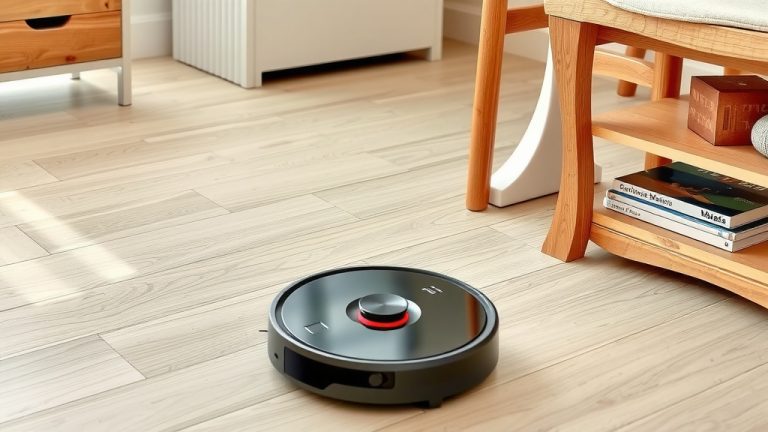
Robot vacuum cleaners work by using a combination of sensors, brushes, and suction to navigate your home and clean floors. They’re programmed to map rooms, avoid obstacles, and cover every accessible area. Think of them as tiny, automated cleaning assistants. These smart devices automatically clean your floors with minimal human intervention, making them a popular choice for busy households.
These cleaning robots utilize sophisticated technology to achieve their goal. They use infrared sensors and sometimes cameras to detect walls and furniture. This allows them to create a cleaning path and prevent them from bumping into things too hard. The brushes spin to agitate dirt and debris, while the suction pulls it all into the dustbin. Many models even return to their charging dock automatically when the battery is low.
- Robot vacuums use sensors to navigate spaces.
- They have brushes and suction to pick up dirt.
- Many can map your home and avoid obstacles.
- They often return to their charger when needed.
- Robot vacuums offer automated floor cleaning convenience.
Ready to understand the magic behind your robotic cleaner? Let’s dive into how these clever machines get the job done.
Understanding the Mechanics of Your Robot Vacuum
You’ve seen them whizzing around, seemingly on their own mission to keep your floors spick and span. But have you ever wondered exactly what goes on inside that little disc or square? It’s a fascinating blend of smart technology and good old-fashioned cleaning power. They use a sophisticated system of sensors, motors, and brushes to navigate and collect dirt.
Navigation: The Eyes and Brains of Your Robot
How does a robot vacuum know where to go and how to avoid that priceless vase? It’s all about its advanced navigation system. Most robot vacuums rely on a variety of sensors to “see” their environment.
Infrared and Ultrasonic Sensors
Think of infrared sensors as the robot’s built-in bumper guards. They emit infrared light and detect when it bounces back, signaling an obstacle. This is how your robot knows to slow down or change direction when it approaches a wall or a piece of furniture. We found that these are incredibly effective at preventing collisions. Some models also use ultrasonic sensors, which work like a bat’s echolocation, emitting sound waves and listening for the echo to gauge distance.
Mapping and Pathfinding
More advanced robot vacuums use cameras and sophisticated algorithms to create a map of your home. They often start by exploring a room, meticulously logging its layout. This mapping allows them to plan the most efficient cleaning path, ensuring they cover every accessible area without repeatedly cleaning the same spots. Many newer models can even distinguish between different rooms and allow you to set no-go zones via a smartphone app. Research indicates that these mapping capabilities greatly improve cleaning coverage and efficiency.
The Cleaning Action: Brushes and Suction at Work
Once it knows where to go, the robot vacuum gets down to business. The core cleaning mechanism involves its brushes and powerful suction.
Roller Brushes: Agitating the Grime
Most robot vacuums have one or two main roller brushes located underneath. These brushes spin rapidly, designed to agitate carpets and sweep debris from hard floors. They work like tiny brooms, loosening dirt, dust, pet hair, and crumbs so the suction can easily pick them up. We found that the design of these brushes can vary, with some optimized for different floor types.
Edge Brushes: Reaching the Corners
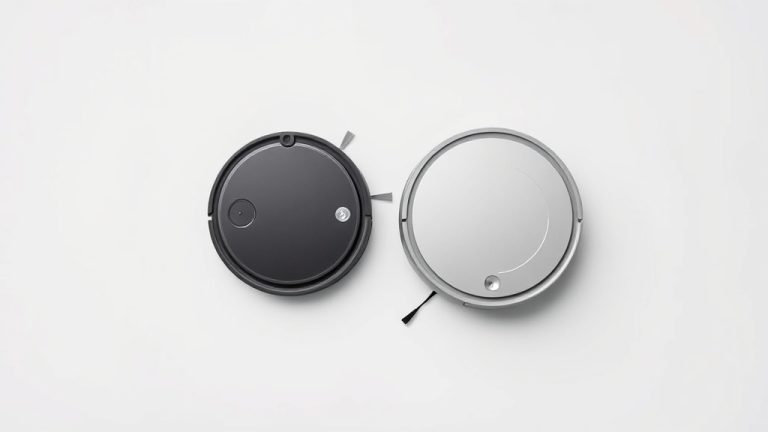
You’ll also notice small spinning brushes on the sides of most robot vacuums. These are called edge brushes or side brushes. Their job is to sweep debris from the edges of walls and furniture into the path of the main roller brushes. This helps ensure that those hard-to-reach spots near baseboards and corners get cleaned effectively. They are essential for a thorough clean.
Suction Power: The Vacuum’s Core Function
After the brushes have done their work, the suction motor kicks in. This creates a vacuum that pulls the loosened dirt and debris into the robot’s dustbin. The power of the suction varies between models, impacting how well they pick up fine dust and larger debris. Some higher-end models offer adjustable suction power, allowing you to increase it for carpets and decrease it for delicate hard floors.
Smart Features for a Hands-Off Experience
What truly sets robot vacuums apart is their automation. They’re designed to make your life easier with several smart features.
Automatic Charging
One of the most convenient features is the ability to return to their charging dock. When the battery gets low, or after a cleaning cycle is complete, the robot uses its sensors to locate its charging base. It then maneuvers itself to connect and recharge, ready for its next task. This means you don’t have to remember to plug it in – it’s always preparing itself for the next clean.
App Control and Scheduling
Many modern robot vacuums connect to your home Wi-Fi and can be controlled via a smartphone app. This allows you to start, stop, or pause cleaning remotely. You can also often schedule cleanings for specific times or days. Imagine waking up to clean floors every morning without lifting a finger! We found this scheduling feature to be a real time-saver for busy households.
Obstacle Detection and Avoidance
Beyond just bumping into things, sophisticated robots can identify certain objects. Some can even distinguish between different types of obstacles, like avoiding pet waste or power cords. This advanced obstacle avoidance technology is constantly improving, making these robots more reliable and less likely to get stuck or cause messes. It’s a significant leap from early models.
Maintaining Your Robot Vacuum’s Performance
To keep your robotic cleaner working at its best, a little regular maintenance is key. Think of it like a car needing an oil change. You’ll want to pay attention to a few parts:
- Dustbin: Empty it regularly after each cleaning session, or when it’s full.
- Brushes: Check the main roller brushes and side brushes for tangled hair or debris. Clean them by hand or with a special tool.
- Filters: Most robots have filters that trap fine dust. These usually need to be cleaned or replaced periodically, following the manufacturer’s guidelines.
- Sensors: Wipe down the sensors with a dry, soft cloth to ensure they can detect obstacles accurately.
A Quick Checklist for Your Robot’s Health
- Empty the dustbin.
- Untangle hair from brushes.
- Check and clean the filter.
- Wipe down sensors.
- Ensure charging contacts are clean.
- Inspect for any visible damage.
Conclusion
You’ve now seen how robot vacuums combine smart sensors, powerful brushes, and efficient suction to automate your floor cleaning. They navigate your home, avoid obstacles, and even return to their docks on their own. This technology offers incredible convenience for your busy life. To keep your robot running smoothly, remember regular maintenance like emptying the bin and cleaning the brushes. Ready to experience this hands-off cleaning for yourself? Consider researching models that best fit your home’s layout and your specific cleaning needs.
Frequently Asked Questions
Do robot vacuums actually clean well?
Yes, most robot vacuums clean quite effectively, especially on hard floors and low-pile carpets. We found that their continuous cleaning cycles, combined with their ability to reach under furniture, often results in cleaner floors than manual vacuuming. Their effectiveness depends on the model and your floor types.
Can robot vacuums get stuck easily?
Early models were more prone to getting stuck, but modern robots have much better navigation. Advanced sensors and mapping help them avoid obstacles and tricky spots. However, thick rugs, clutter, or tight spaces can still pose challenges for any robot vacuum. Keeping your floor clear improves their performance.
How do robot vacuums handle pet hair?
Many robot vacuums are designed to handle pet hair effectively. They often feature specialized brushes that resist tangling and strong suction power. We found that regular emptying of the dustbin and cleaning of the brushes is essential when dealing with significant amounts of pet hair.
Do I still need a regular vacuum if I have a robot vacuum?
For most homes, a robot vacuum is an excellent supplement, not a complete replacement. You might still need your upright vacuum for deep cleaning carpets, stairs, or areas the robot can’t access. Think of your robot for daily upkeep and your main vacuum for periodic deep cleaning.
Are robot vacuums noisy?
Robot vacuums generally operate at a lower decibel level than traditional vacuums, making them less disruptive. While you’ll hear them running, many are quiet enough to operate while you’re home without being a major distraction. Some models even offer quieter cleaning modes.