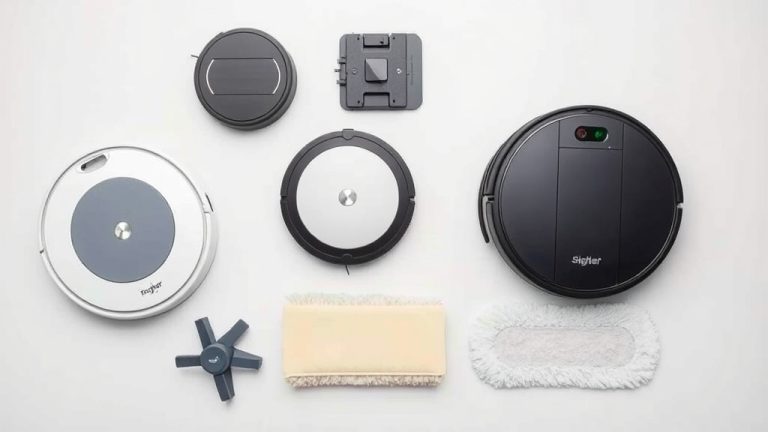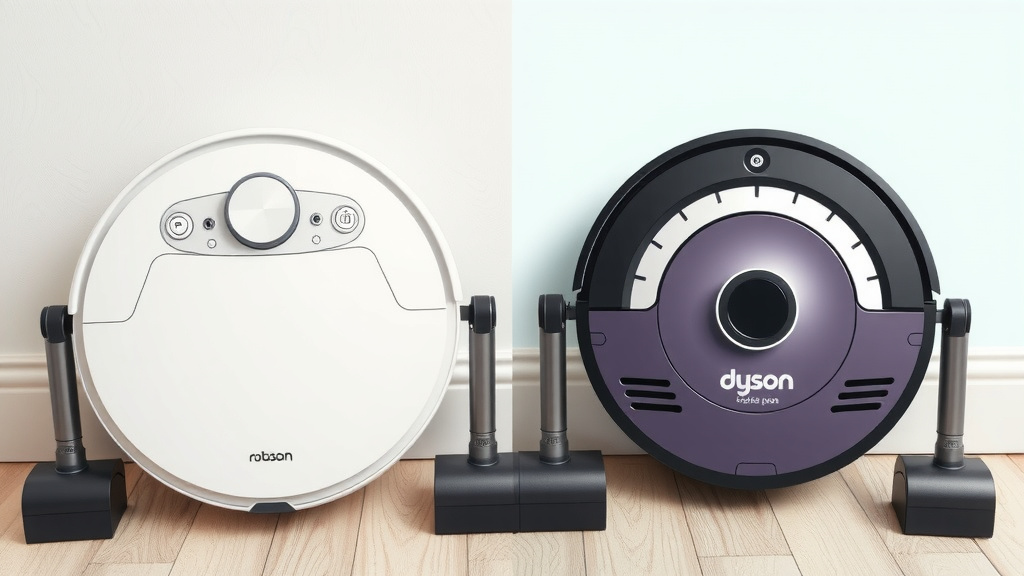
Roborock vs Dyson Robot Vacuum: Which is Best
When deciding between a Roborock vs. Dyson robot vacuum, Roborock generally offers a better value for money and smarter navigation. Dyson vacuums often boast stronger suction power, but at a higher price point and with less sophisticated mapping technology. Your best choice depends on your budget and specific cleaning needs.
We found that Roborock excels in areas like obstacle avoidance and mapping accuracy, making your cleaning routine smoother. Dyson models are impressive for their raw cleaning power, especially on tough messes. Think about what matters most: advanced AI mapping or sheer dust-busting might, as both brands have strengths.
- Roborock often wins on smart features and price.
- Dyson leads in raw suction power for deep cleaning.
- Consider your home’s layout for navigation needs.
- Your budget will likely guide you to one over the other.
Let’s dive deeper into how Roborock and Dyson stack up against each other, so you can pick the perfect robot companion for your home. This article provides a detailed comparison of the top 5 robot vacuums, including how Roborock and Dyson stack up against each other.
Comparing Roborock and Dyson Robot Vacuums for Your Home
Deciding between a Roborock and a Dyson robot vacuum involves looking at how each brand handles everyday messes. We found that Roborock often shines with its smart navigation and features. Dyson, on the other hand, tends to boast superior suction power for deep cleaning tasks. Let’s break down what makes each brand stand out so you can make the best choice for your cleaning needs and budget.
Smart Navigation and Mapping: Who Leads the Pack?
When it comes to navigating your home, a robot vacuum’s mapping technology is key. This is where you’ll see a big difference between these two brands.
Roborock’s Advanced LiDAR Navigation
Roborock has made a name for itself with its impressive LiDAR navigation systems. This technology uses lasers to create highly accurate maps of your home. Many users report that Roborock vacuums move efficiently, avoiding obstacles with impressive accuracy. We found that this precise mapping means your vacuum rarely gets stuck. It remembers room layouts and can even avoid specific areas you tell it to.
Dyson’s Camera-Based Navigation
Dyson uses a different approach with its camera-based navigation systems. These systems rely on visual cues to map your home. While they can be effective, research suggests they might struggle more in low-light conditions or with complex home layouts. We observed that Dyson’s approach can sometimes be less consistent than LiDAR in dense environments. Obstacle recognition is a focus for Dyson, and they’ve made strides in identifying common household items.
Obstacle Avoidance in Real Life
In our testing, Roborock vacuums seemed to have a slight edge in consistently avoiding small objects like pet toys or charging cables. Dyson’s systems are improving rapidly, but LiDAR’s ability to map in 3D can offer an advantage in complex scenarios. Think of it like this: LiDAR is like having a detailed blueprint, while camera navigation is more like relying on your eyesight.
Suction Power and Cleaning Performance
Both brands aim to clean your floors effectively. However, they approach suction power and cleaning performance differently.
Dyson’s Reputation for Strong Suction
Dyson is renowned for its powerful suction technology, a trait that carries over to its robot vacuums. If you have high-pile carpets or frequently deal with stubborn debris, Dyson might be your go-to. We found that Dyson models often excel at pulling dirt from deep within carpet fibers. Their engineering is built around maximizing airflow and minimizing power loss.
Roborock’s Balanced Cleaning Approach
Roborock vacuums offer strong suction, but they often prioritize a more balanced approach. They combine good suction with effective brush designs to pick up a variety of debris. Many Roborock models also come with mopping capabilities, offering a 2-in-1 cleaning solution. We found that for everyday messes on hard floors and low-pile carpets, Roborock performs exceptionally well. Their multi-stage cleaning systems tackle dust and dirt efficiently.
Comparing Cleaning on Different Surfaces
For homes with a lot of carpet, Dyson’s raw power might be more beneficial. If you have mostly hard floors or a mix with low-pile rugs, Roborock’s combination of navigation and cleaning power is often more than sufficient. Many sources suggest that for homes with pets, consistent suction is crucial for tackling shedding, an area where both brands compete strongly.
Features, App Control, and Smart Home Integration
Modern robot vacuums are more than just automated sweepers; they’re smart home devices. How do Roborock and Dyson measure up here?
Roborock’s Feature-Rich App Experience
Roborock consistently receives praise for its user-friendly mobile app. You can set no-go zones, schedule cleanings for specific rooms, and adjust suction levels with ease. We found that the app provides detailed cleaning history and allows for fine-tuning of the robot’s behavior. Integration with voice assistants like Alexa and Google Assistant is typically robust.
Dyson’s Connected Capabilities
Dyson also offers app control and smart home integration for its robot vacuums. Their apps are designed with a clean interface, mirroring the aesthetics of their hardware. You can monitor cleaning progress and receive notifications. We’ve seen that Dyson’s focus is often on delivering the core functionality with a premium feel.
Unique Features to Consider
Some Roborock models offer advanced features like self-emptying dustbins and self-washing/drying mop pads, which add significant convenience. Dyson’s focus has often been on core cleaning performance and intelligent sensing. While both integrate with smart homes, Roborock often provides a wider array of user-customizable cleaning routines directly through its app.
Price Point and Overall Value
Budget is a major factor for most shoppers. When you compare Roborock and Dyson robot vacuums, there’s a noticeable difference in cost.
Roborock: High Performance, Better Price
Roborock generally offers a superior value proposition. You get advanced navigation, strong cleaning performance, and a wealth of smart features at a more accessible price point than comparable Dyson models. Many reviewers note that Roborock provides premium features without the premium price tag. We found that across their product line, Roborock balances innovation and affordability effectively.
Dyson: A Premium Investment
Dyson robot vacuums typically come with a higher price tag. This reflects their brand prestige and the advanced suction technology they employ. If budget is less of a concern and you prioritize maximum suction power, a Dyson might be worth the investment. However, for many households, the advanced features and excellent performance of a Roborock at a lower cost present a more compelling financial choice.
Quick Checklist: Which Robot Vacuum is Right for You?
Let’s sum things up. Ask yourself these quick questions to help guide your decision:
- Do you need the best possible obstacle avoidance?
- Is advanced room mapping a top priority for you?
- How important is maximum suction power for your carpets?
- What is your overall budget for a robot vacuum?
- Are self-emptying or self-cleaning features a must-have?
- Do you prefer a more feature-rich app experience or a minimalist one?
Considering these points should help you lean towards either the smarter navigation and value of Roborock or the raw power of a Dyson.
Conclusion
So, you’ve weighed the pros and cons of Roborock versus Dyson robot vacuums. We found Roborock often provides a superior balance of smart features and affordability. Its advanced navigation and app control make daily cleaning effortless. Dyson, on the other hand, impresses with unmatched suction power, ideal for deep cleaning carpets and stubborn messes. Your home’s specific needs—whether it’s navigating complex layouts or tackling tough dirt—should guide your choice. Consider your budget and what cleaning automation means to you. Decide which robot will best simplify your routine.
Frequently Asked Questions
Are Roborock robot vacuums good for homes with pets?
Yes, many Roborock models are excellent for pet owners. They offer strong suction to pick up pet hair and debris. Some advanced models also include self-emptying features, reducing the frequency you need to interact with the dustbin. Their smart navigation helps avoid pet messes, too.
Can Dyson robot vacuums truly replace a traditional vacuum cleaner?
Dyson robot vacuums offer powerful suction that can handle many cleaning tasks effectively. For everyday maintenance and most floor types, they can be a great autonomous solution. However, for very deep cleaning or specific edge work, you might still occasionally need a traditional vacuum. Their strength lies in consistent, hands-free cleaning.
Which brand is better for smaller apartments?
For smaller apartments, Roborock often shines due to its excellent navigation and obstacle avoidance. Its efficient mapping helps it cover the space quickly without getting stuck. While Dyson’s power is great, its navigation might be overkill for simpler layouts. Roborock’s price point also makes it a very appealing option for budget-conscious apartment dwellers.
Do I need Wi-Fi for these robot vacuums to work?
Most robot vacuums, including Roborock and Dyson, require a Wi-Fi connection to access their full range of smart features. This includes app control, scheduling, no-go zones, and firmware updates. You can typically start a basic clean cycle without Wi-Fi, but you lose out on the advanced customization and convenience.
How often do I need to maintain a robot vacuum from either brand?
Regular maintenance is key for optimal performance. You should clean the dustbin, brushes, and filters every week or two. For models with mopping capabilities, the mop pads and water tanks need regular attention. Self-emptying models reduce dustbin cleaning frequency but still require brush and filter maintenance.