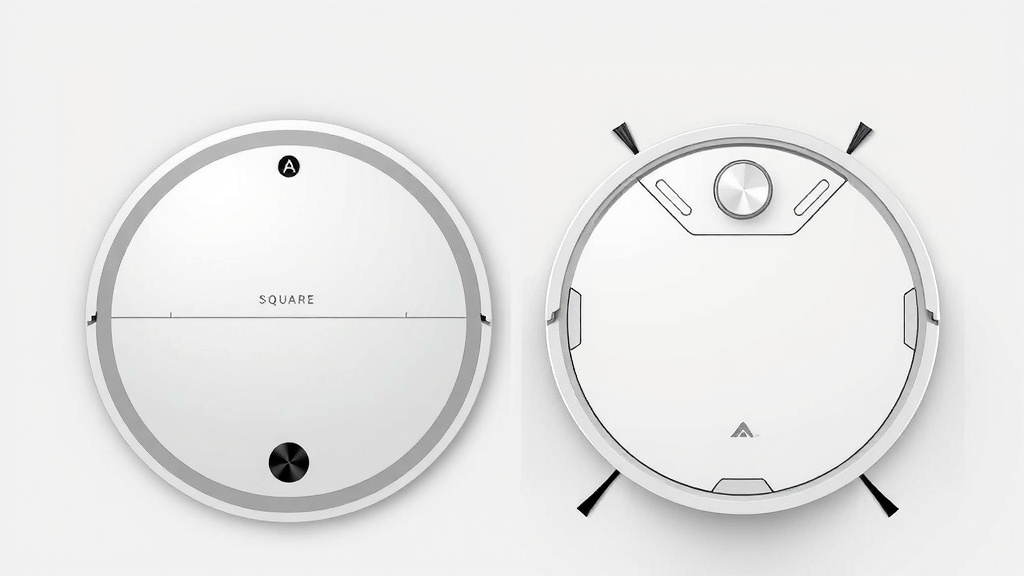
Square vs. Round Robot Vacuums: Which is Best For You
When choosing a robot vacuum, round models often edge out their square counterparts for overall cleaning efficiency. While both have their charms, round vacuums generally offer superior maneuverability, allowing them to navigate around furniture and into tight corners with greater ease. This often leads to a more thorough clean across your floors.
The design difference impacts how well they tackle edges and corners, areas where dirt loves to hide. Many users find that the continuous circular motion of a round vacuum helps it sweep debris more effectively than the more angular approach of a square unit. We’ve seen research indicating that the shape plays a big role in how much dust and debris is collected.
- Round vacuums are generally better at navigating obstacles.
- They tend to excel in cleaning corners and edges.
- Square vacuums may have larger brushes but can struggle with maneuverability.
- Your home’s layout is a key factor in deciding which shape is best.
Let’s dive into the details and see which vacuum shape truly fits your cleaning needs.
Robot Vacuum Shapes: Round vs. Square Cleaning Power
You’re looking for a robot vacuum, and you’ve noticed they come in different shapes. The big question is: does the shape really matter for cleaning? We found that yes, the shape can impact how well your robot vacuum keeps your floors spotless. Let’s break down the round versus square debate to help you choose.
Round Robot Vacuums: The All-Around Champion
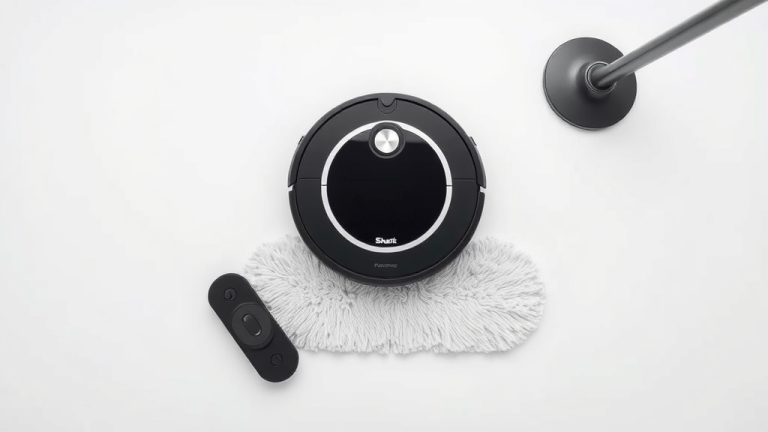
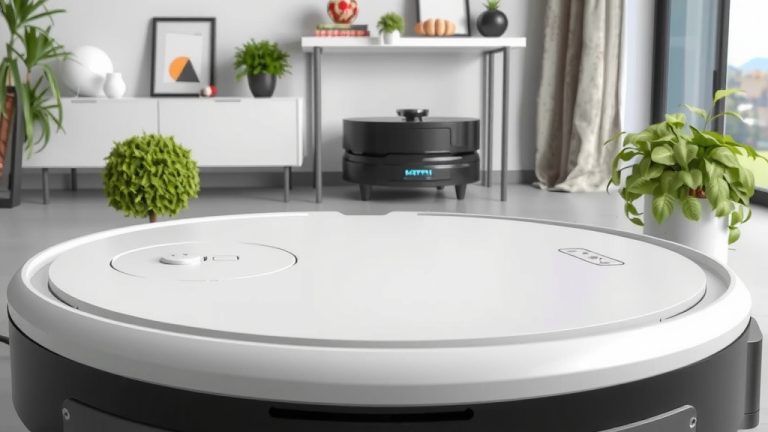
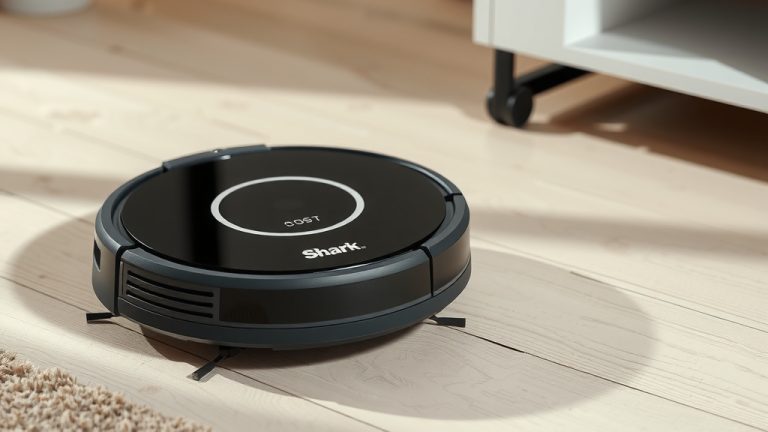
Round robot vacuums are the most common type you’ll see. This popularity isn’t just for show; it often comes down to their performance and agility.
Navigating Your Home Like a Pro
Think of a round vacuum like a nimble dancer. Its curved body helps it glide around furniture legs and tricky obstacles. We found that this shape allows it to turn more easily. This means fewer bumps and less chance of getting stuck. Your furniture will thank you!
Edge and Corner Cleaning Capabilities
Corners and edges are the hiding spots for dust bunnies. Round vacuums have a clever way of tackling these spots. As they move along walls, their round shape allows the side brushes to sweep debris effectively. While they might not get into a sharp 90-degree corner perfectly, they do a commendable job covering the perimeter of your rooms.
Suction Power and Debris Pickup
Most round robot vacuums have a central brush roll. This design is great for picking up larger debris and pet hair. We found that the consistent motion helps pull dirt towards the suction port. Many studies suggest that the placement of the brush in round models is optimized for efficient pickup across open floor spaces.
Square Robot Vacuums: A Different Approach to Cleaning
Square robot vacuums are less common, but they offer some unique advantages. Their design is often focused on maximizing brush size and coverage.
Larger Brushes for Wider Coverage
The main selling point of a square vacuum is often its brushes. The straighter edges allow for wider, longer brushes. This can mean covering more floor space with each pass. Think of it like a wider broom – it sweeps more area at once.
Tackling Edges and Corners Head-On
Square vacuums are designed with edges and corners in mind. Their angular shape allows them to get closer to baseboards and into corners. Some models have brushes that extend out to catch debris along the walls. We found that this design can be particularly effective for homes with lots of baseboards.
Maneuverability Challenges
However, this boxy shape can sometimes be a drawback. Square vacuums can be less agile than their round counterparts. They might have a harder time navigating around chair legs or complex furniture arrangements. This can lead to more bumping and potentially getting stuck more often.
Comparing Key Features: A Quick Look
Let’s put the two shapes side-by-side to see how they stack up in important areas. This table gives you a quick overview.
| Feature | Round Robot Vacuums | Square Robot Vacuums |
|---|---|---|
| Maneuverability | Excellent, glides around obstacles easily. | Fair to Good, can be less agile. |
| Edge & Corner Cleaning | Good, sweeps effectively along walls. | Very Good, designed to get into corners. |
| Brush Size | Standard, optimized for central pickup. | Often Larger, for wider coverage. |
| Navigation | Smooth, less likely to get stuck. | Can be more prone to getting stuck. |
| Overall Cleaning Path | Consistent circular pattern. | Can cover more width per pass. |
Which Shape is Right for Your Home?
The best shape for you depends on your living space and cleaning needs. Consider these points when making your decision.
Your Home’s Layout Matters
Do you have a lot of open floor space? A round vacuum might be perfect. If your home has many tight corners and lots of baseboards, a square vacuum could offer an advantage. We found that a home’s layout is a major factor in robotic vacuum performance. A busy, furniture-filled room might favor the agility of a round unit.
Consider Your Cleaning Priorities
Are you most concerned with getting every speck of dust from the edges? A square vacuum might be appealing. If your main goal is efficient cleaning of large areas with fewer snags, a round vacuum is likely your best bet. Many users prioritize ease of navigation, especially in homes with pets or children.
Look at Additional Features
Don’t forget that shape is just one piece of the puzzle. Features like suction power, navigation technology (like LiDAR or VSLAM), app control, and self-emptying bins are also very important. A round vacuum with advanced mapping might outperform a basic square model. Always check the specific features of the robot vacuum you’re considering.
Your Robot Vacuum Checklist
To help you choose, run through this quick checklist. Ask yourself these questions:
- Does my home have many tight corners?
- Is ease of navigation a top priority?
- Do I have a lot of furniture my robot needs to avoid?
- Are my floors mostly open space or full of obstacles?
- How important is edge and baseboard cleaning to me?
- What specific cleaning features do I need beyond just the shape?
Conclusion
Choosing between a square and a round robot vacuum ultimately depends on your home’s unique layout and your cleaning priorities. We found that round vacuums generally offer superior agility, making them great for navigating busy spaces and avoiding obstacles. Square models, on the other hand, can provide wider brush coverage and a more direct approach to edges and corners. Don’t forget to consider advanced features beyond shape, like smart mapping and strong suction. Now that you’ve reviewed the differences, take a look at your home and decide which shape will best keep your floors spotless!
Frequently Asked Questions
Will a round robot vacuum get stuck in corners?
Round robot vacuums may not perfectly clean a sharp 90-degree corner. Their circular motion sweeps debris along walls effectively. However, they can sometimes miss the very deepest point of a tight corner. Most users find their performance in open areas and along edges to be very good.
Are square robot vacuums better for homes with a lot of baseboards?
Yes, square robot vacuums can have an advantage for homes with extensive baseboards. Their angular design allows them to get closer to walls. Some models feature brushes designed to extend and sweep debris right along the baseboards. This can lead to a more thorough clean in those specific areas.
Which type of robot vacuum is better for pet hair?
Both shapes can be effective for pet hair, but it depends on the specific model’s design and features. Look for strong suction power and a brush roll optimized for pet hair. Round vacuums’ consistent motion can help pull hair towards the suction. Square vacuums’ potentially larger brushes might cover more area quickly.
Does the shape of a robot vacuum affect its battery life?
The shape of a robot vacuum generally doesn’t directly impact its battery life. Battery performance is more closely related to the battery’s capacity (measured in mAh) and the vacuum’s cleaning efficiency. A more efficient cleaner might use less battery, but shape is a minor factor compared to motor power and navigation technology.
Can a square robot vacuum navigate complex furniture layouts as well as a round one?
Generally, no. Square robot vacuums can be less agile due to their shape. They might bump into furniture legs or tight spaces more often than round models. Round vacuums’ curved design allows them to glide more smoothly around obstacles. This makes round vacuums a better choice for homes with lots of furniture.