How Often Should You Run a Robot Vacuum?
You should run your robot vacuum daily or every other day, especially if you have pets or allergies. This frequency helps maintain a cleaner home by consistently picking up dust, dirt, and pet hair. For a truly spotless floor, aim for daily runs. It’s the best way to prevent buildup.
How often you *need* to run it depends on your lifestyle and home environment. Factors like the number of people and pets, and whether you have carpet or hard floors, all play a role. Consistent cleaning means less deep cleaning later and a healthier living space for everyone. Think of it as a small chore for a big payoff.
- Most homes benefit from daily runs.
- Pets and allergies may require more frequent cleaning.
- Carpeted floors often need more attention.
- Consider your home’s specific needs.
Let’s break down what factors influence the ideal robot vacuum schedule for your home and how to get the most out of your cleaning companion.
Your Robot Vacuum’s Ideal Cleaning Cadence
So, you’ve got this nifty robot vacuum zipping around your home. It’s a real helper, isn’t it? But how often should you actually let it roam? For most households, running your robot vacuum daily or every other day is the sweet spot. This frequency keeps your floors consistently tidy without you lifting a finger.
Think of it like watering a plant. You don’t drown it once a month, right? You give it a little bit regularly. Your floors are similar. Daily or near-daily runs prevent dirt and dust from building up. This is especially true if you have busy feet or furry friends.
Factors That Influence Your Robot Vacuum Schedule
The Pet Factor: More Fur, More Fun (for the Vacuum)
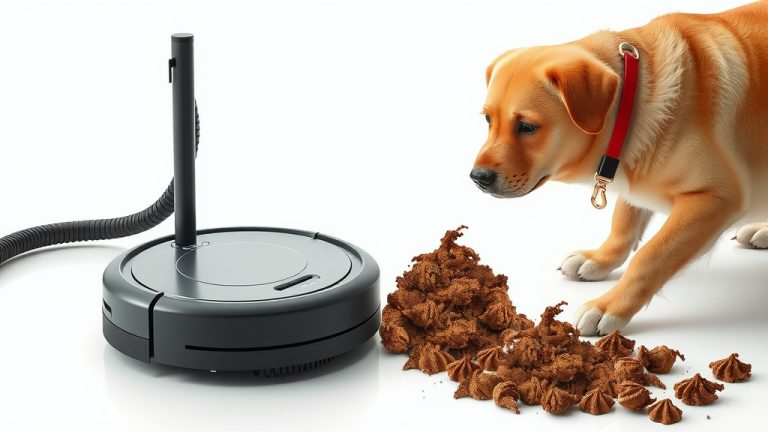
If you share your home with pets, you know the drill. Fur seems to multiply overnight. Dogs and cats shed constantly. Robot vacuums are fantastic for keeping pet hair under control. We found that homes with pets often benefit from running the robot vacuum once a day. This consistent cleaning stops hair from getting embedded in carpets or spreading across hard floors.
Allergies and Air Quality: A Breath of Fresh Air
Do you or someone in your household struggle with allergies or asthma? A robot vacuum can be a game-changer. By frequently collecting dust, pollen, and dander, it helps improve indoor air quality. Many health experts recommend frequent cleaning to minimize allergens (Cleveland Clinic). Running your robot vacuum daily is a smart move for allergy sufferers.
Your Flooring Type Matters
Different floor types require different cleaning approaches. Hardwood, tile, and laminate are generally easier to keep clean. Robot vacuums glide over these surfaces easily, picking up surface debris. Carpets, however, are a different story. They tend to trap dust and pet hair more effectively. Research shows that carpets can hold onto particles more stubbornly.
Carpeted Homes: A Daily Deep Dive
If your home is mostly carpeted, you’ll likely get the most benefit from daily robot vacuum runs. This ensures that dirt doesn’t get a chance to get ground deep into the fibers. It’s like giving your carpets a gentle, regular massage rather than a deep, infrequent scrub.
Hardwood and Tile: Still Need Regular Attention
Even with hard floors, daily runs are beneficial. Dust can still settle and be tracked around. A robot vacuum can quickly address this. For homes with a mix of flooring, consider setting your robot to clean the high-traffic areas daily.
Household Traffic: The More Feet, The More Dirt
How many people live in your home? Are you constantly having guests over? High-traffic homes mean more dirt, crumbs, and debris being tracked in. If your entryway or main living areas see a lot of foot traffic, you might need to run your robot vacuum more often. Daily cleanings are a good starting point.
Your Lifestyle and Cleaning Habits
Are you someone who likes a spotless home, or are you more laid-back? Your personal preferences play a role. If you’re striving for that “always clean” look, daily runs are your best friend. If you’re okay with a little bit of dust between cleanings, every other day might suffice.
We found that many users simply schedule their robot vacuum to run while they are out of the house. This way, it doesn’t interrupt your day. You come home to cleaner floors without even noticing the cleaning process itself.
Optimizing Your Robot Vacuum’s Schedule
Set It and Forget It: Scheduling Features
Most modern robot vacuums come with scheduling capabilities. Use them! Setting a routine means you don’t have to remember to start the vacuum each day. Many apps allow you to customize schedules for different days of the week. This is great for busy households.
The Daily Routine Example
Let’s say you work from 9 to 5. You could schedule your robot vacuum to start cleaning at 10 AM. This way, it’s done and back on its charger before you even get home. Weekends might call for a slightly different schedule.
Targeted Cleaning Zones
Some advanced robot vacuums allow you to set up virtual boundaries or cleaning zones. This is perfect for high-traffic areas like the kitchen or entryway. You can program these specific zones to be cleaned more frequently than less-used rooms.
Listen to Your Floors: Observe and Adjust
The best schedule is one that works for *your* home. Pay attention to your floors between cleanings. Do you notice dust bunnies forming quickly? Is pet hair accumulating faster than you’d like? These observations are your cues to adjust the cleaning frequency. It’s an ongoing process of fine-tuning.
When Less Might Be More (But Usually Isn’t)
While daily cleaning is often ideal, are there times you can run it less often? Yes. If you live alone, have very little foot traffic, no pets, and no allergies, running your robot vacuum two to three times a week might be perfectly adequate. However, for the majority of people, especially those with pets or allergy concerns, more frequent cleaning yields better results.
Consider your home’s unique needs. A small, tidy apartment will have different requirements than a large family home with shedding dogs and kids tracking in mud. The goal is consistent cleanliness, and the frequency of your robot vacuum runs is key to achieving that.
Your Robot Vacuum Cleaning Checklist
- Assess Your Home: Consider pets, allergies, and floor types.
- Start with Daily Runs: See how this frequency works for your home.
- Utilize Scheduling: Set it and forget it using your robot’s app.
- Observe Results: Notice dust and dirt levels between cleanings.
- Adjust as Needed: Increase or decrease frequency based on your findings.
- Clean the Robot: Don’t forget to empty the bin and clean brushes regularly!
Conclusion
You’ve learned that running your robot vacuum daily or every other day is generally the best approach for most homes. This frequency helps you consistently manage dust, pet hair, and allergens. Your specific needs, like having pets or dealing with allergies, might push you towards daily runs. If your home sees less traffic and you have no pets, perhaps two to three times a week is sufficient. The key is to observe your home’s unique environment and adjust your robot vacuum’s schedule accordingly. Start by setting up a daily schedule using your robot’s app, then fine-tune it based on what you see on your floors.
Frequently Asked Questions
How often should I run my robot vacuum if I have shedding pets?
If you have pets that shed, you’ll likely benefit most from running your robot vacuum daily. Consistent cleaning is essential for keeping pet hair from building up and embedding into carpets or scattering across hard floors. This frequent attention stops fur from becoming a constant issue in your home.
Is daily cleaning necessary for homes without pets or allergies?
Not necessarily. If your home has minimal foot traffic, no pets, and no allergy sufferers, running your robot vacuum two to three times a week might be perfectly adequate. You can observe your floors and adjust the frequency based on how quickly dust and debris accumulate.
Can I schedule my robot vacuum to run while I’m at work?
Absolutely! Most modern robot vacuums have scheduling features that allow you to set cleaning times. Programming your robot to run while you’re away at work is a smart way to ensure your floors are cleaned without any disruption to your day. You’ll come home to a tidier space.
Should I run my robot vacuum more often on carpet than on hard floors?
Yes, homes with carpets often benefit from more frequent runs. Carpets tend to trap dirt, dust, and pet hair more effectively than hard floors. Running your robot vacuum daily on carpeted areas can prevent particles from getting deeply embedded into the fibers, making it easier to maintain cleanliness.
How do I know if I need to adjust my robot vacuum’s schedule?
You can tell you need to adjust your schedule by observing your floors between cleanings. If you start noticing dust bunnies collecting quickly, pet hair accumulating, or dirt being tracked around, it’s a clear sign to increase the cleaning frequency. Conversely, if your floors stay consistently clean with your current schedule, you might be able to decrease it.