Robot Vacuum vs Dog Poop: Which Survives the Mess
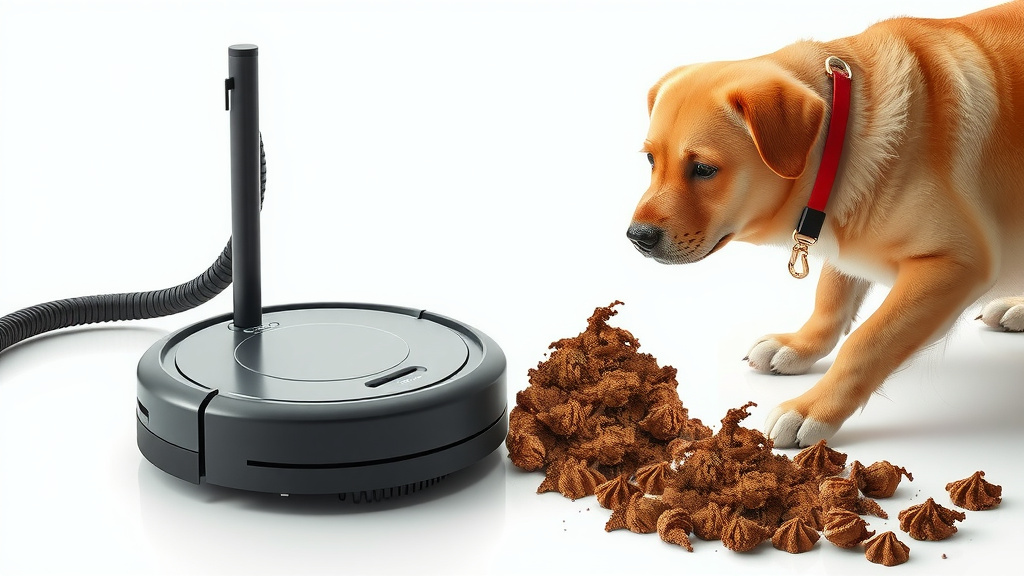
When your furry friend has an accident, you might wonder: can a robot vacuum clean dog poop? The short answer is a resounding no. While robot vacuums are great for crumbs and pet hair, they are not designed to handle solid waste. Most robot vacuums will simply smear the mess, spreading it across your floors and potentially damaging the vacuum itself. Always clean up dog poop manually first. If you’re looking for a device that can handle both vacuuming and mopping, our guide to the best robot vacuums and mops for pets offers solutions.
This is a common concern for pet owners. We love our robot vacuums for keeping our homes tidy. But when it comes to dog messes, they can actually make the situation much worse. Many robot vacuums lack the sensors and the cleaning power to identify and properly dispose of dog waste. Research indicates that most models will create a significant, sticky mess if they encounter it. It’s a scenario many pet parents have unfortunately experienced.
- Robot vacuums cannot safely clean dog poop.
- They will likely spread the mess and damage the vacuum.
- Always clean up solid pet waste manually first.
- Proper manual cleanup is essential before using any vacuum.
Let’s walk through exactly why this is the case and what you should do instead when dog poop is on your floors.
Robot Vacuums and Dog Poop: Why They Don’t Mix
So, you’re wondering if your trusty robot vacuum can handle a surprise from your canine companion. It’s a very common question for pet owners. Unfortunately, the answer is a clear and resounding no. Robot vacuums are designed for dust bunnies and stray kibble, not for solid waste.
The Science (and Smell) Behind the Mess
Robot vacuums rely on sensors to navigate. These sensors help them detect walls, furniture, and even changes in floor height. However, they are generally not equipped to identify a pile of dog poop. It looks like a dark, irregular patch on the floor. This can easily confuse the sensors or, worse, be completely missed.
What happens when a robot vacuum encounters dog poop? Instead of avoiding it or alerting you, it will likely try to clean it. This means the vacuum’s brushes will spin. Its suction will engage. This action will unfortunately turn the solid mess into a smeared, sticky disaster.
Spreading the Stench
Imagine a small child with a crayon on a white wall. Now imagine that on your floors. The robot vacuum will spread the poop across a wide area. This makes the cleanup job infinitely worse than if you had found it right away. The smell can also become trapped in the vacuum’s filters and internal components. This can lead to a persistent unpleasant odor in your home.
Damage to Your Robot Vacuum
Beyond the mess, running over dog poop can actually damage your robot vacuum. The waste can clog the suction motor. It can get stuck in the brushes, making them ineffective. Some of the organic matter could even seep into the electronic components. This could lead to costly repairs or even render your vacuum unusable.
Why Specialized Robot Vacuums Aren’t the Answer (Yet)
You might be thinking, “Are there special robot vacuums for pet messes?” While some manufacturers are developing more advanced sensors, no current robot vacuum on the market is designed to reliably detect and clean up solid dog waste. Many claim enhanced pet features, but these usually focus on picking up pet hair more effectively. They do not tackle the problem of actual waste.
The technology needed to accurately identify, avoid, and potentially even neutralize dog poop is complex. It would likely require advanced AI, specialized cameras, and robust waste disposal mechanisms. This is far beyond the capabilities of current consumer-grade robot vacuums.
The Right Way to Handle Dog Poop Accidents
When you discover dog poop on your floor, the best approach is manual cleanup. It’s not fun, but it’s the most effective way to deal with the situation. Think of it as a necessary step in responsible pet ownership. Your robot vacuum will thank you for it!
Immediate Manual Cleanup Steps
Your first priority is to remove the solid waste entirely. Use paper towels or pet-safe wipes. Gently pick up as much of the solid matter as possible. Be thorough. You want to leave no trace of the original mess.
Cleaning the Residual Stain and Odor
After removing the solids, you’ll likely have a stain and an odor. Use an enzymatic cleaner specifically designed for pet messes. These cleaners contain enzymes that break down the organic matter. They are far more effective than regular cleaning solutions. They help eliminate odors at their source.
Follow the instructions on the enzymatic cleaner. You might need to let it sit for a while. Then, wipe the area clean with a damp cloth. Repeat if necessary. For tough stains, a mild solution of water and vinegar can also be helpful, but always test in an inconspicuous area first.
When to (Carefully) Consider Your Robot Vacuum
Once the area is completely clean and dry, and you’ve used an enzymatic cleaner to neutralize any lingering smells, you can then consider running your robot vacuum. However, do this with extreme caution. It’s still best to manually run the vacuum over the spot yourself first. This ensures no residue remains.
If you’re still worried, you can manually vacuum the specific spot. Then, let the robot vacuum do a general clean of the room later. This way, you’re not risking a major mess. Many experts recommend this layered approach for peace of mind (American Veterinary Medical Association).
Preventing Future Poop-tastrophes
The best way to avoid this entire situation is to prevent accidents from happening in the first place. Regular potty breaks are essential. Stick to a consistent schedule, especially for puppies and senior dogs.
Ensure your dog has plenty of opportunities to go outside. Consider using potty pads for puppies or older dogs. Also, be aware of any changes in your dog’s behavior. Sudden changes could indicate a health issue that needs veterinary attention. A quick vet visit can rule out underlying problems.
| Feature | Robot Vacuum | Dog Poop |
|---|---|---|
| Detection Ability | Poor for solid waste | Requires manual identification |
| Cleaning Method | Brushing and suction | Manual removal and enzymatic cleaning |
| Outcome of Encounter | Smear, spread, potential damage | Messy, smelly, requires thorough cleaning |
| Recommended Action | Avoid at all costs when poop is present | Immediate manual cleanup is essential |
Your Post-Accident Checklist
Here’s a quick rundown of what to do when the unthinkable happens:
- Identify the accident immediately.
- Remove solid waste with paper towels.
- Apply an enzymatic cleaner to the affected area.
- Wipe clean and ensure the spot is dry.
- Double-check for any remaining residue.
- Consider manual vacuuming the spot before running the robot.
Conclusion
Your robot vacuum is a fantastic tool for daily tidiness. But when it comes to dog poop, it’s simply not equipped for the job. Trying to let your robot vacuum clean up a mess will likely spread it further. It can also cause damage to your machine. The best approach is always manual cleanup. Always remove solid waste first. Then, use an enzymatic cleaner for any residue and odor. Once the area is spotless and dry, you can consider letting your robot vacuum handle general floor cleaning. Prioritize prevention with regular potty breaks for your dog.
Frequently Asked Questions
Can robot vacuums detect dog poop?
No, current robot vacuums cannot reliably detect solid dog waste. Their sensors are designed for obstacles like walls and furniture, not for irregular organic matter. This is why they often run over accidents.
What happens if a robot vacuum cleans dog poop?
If a robot vacuum encounters dog poop, it will typically smear the mess across your floors. This spreads the waste and the odor. It can also clog the vacuum’s brushes and potentially damage its motor.
Are there robot vacuums specifically designed for pet messes?
While some robot vacuums have enhanced features for pet hair, none are currently designed to safely detect and clean solid dog waste. The technology for such a feature is not yet common in consumer models.
How do I clean up dog poop without a robot vacuum?
Always clean up solid dog waste manually first using paper towels or pet-safe wipes. After removing the solids, use an enzymatic cleaner to break down stains and odors. Ensure the area is completely clean and dry before using any vacuum.
Can I run my robot vacuum after cleaning a dog mess?
Yes, but with caution. Ensure you have thoroughly cleaned the area manually with an enzymatic cleaner and that it is completely dry. For added peace of mind, you can manually vacuum the specific spot before letting the robot do a general clean.