How Much Is a Robotic Vacuum Cleaner? Cost Guide
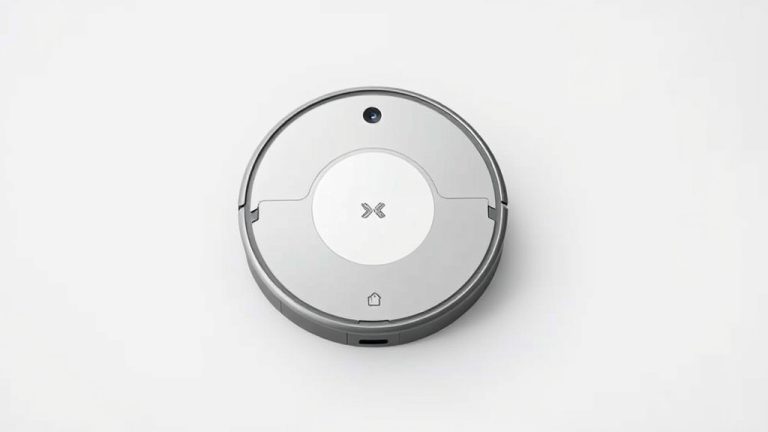
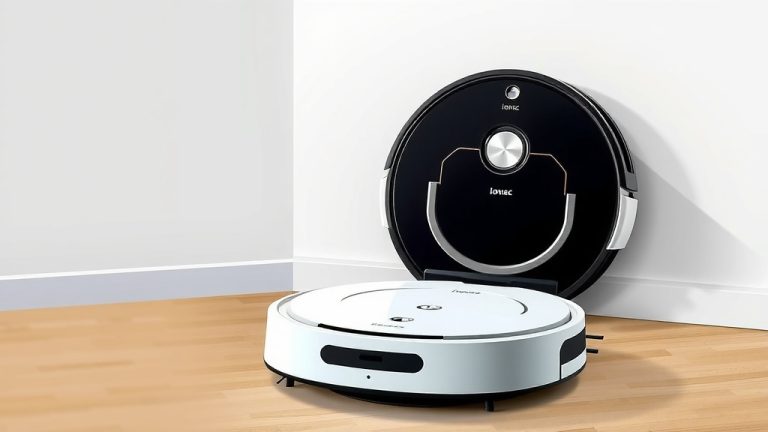
You’re curious about how much a robotic vacuum cleaner costs. We found that most robotic vacuum cleaners range from $150 to $1,000, depending on features and brand. More advanced models with smarter navigation and self-emptying bins can cost up to $1,500 or more.
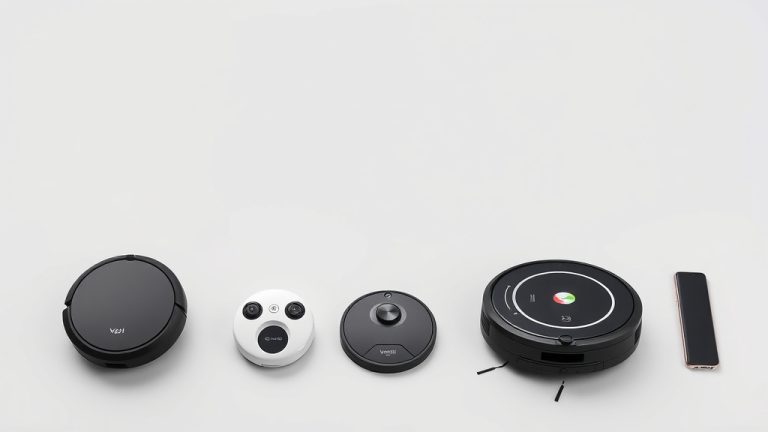
The price tag really depends on what you need it to do. Basic models are great for simple cleaning tasks. But if you want a robot that maps your home and avoids obstacles, you’ll spend a bit more. Think of it like buying a car; there are budget-friendly options and luxury models.
- Basic models: $150 – $300
- Mid-range models: $300 – $600
- High-end models: $600 – $1,000+
- Premium features (self-emptying, AI): $1,000 – $1,500+
Let’s break down what goes into the price of these helpful little cleaning buddies and help you find the perfect one for your home.
Understanding Robotic Vacuum Cleaner Prices
So, you’re wondering about the cost of these automated floor cleaners. We found that most robotic vacuum cleaners typically range from $150 to $1,000. But some super-smart models with advanced features can go even higher, sometimes up to $1,500 or more.
What Drives the Price Tag?
The price you see isn’t just for a little robot that zooms around. Several factors influence how much you’ll spend. Think about the smarts inside, the cleaning power, and what extra convenience features are included. We’ve broken down the main cost drivers for you.
Navigation and Mapping Technology
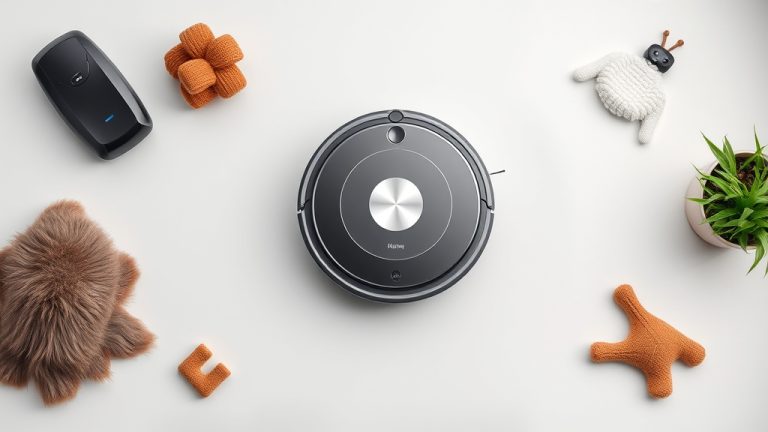
This is a big one. Basic robots bump around randomly, trying to cover the floor. More expensive ones use sensors and cameras to create a map of your home. This smarter navigation means they clean more efficiently and don’t miss spots. Some high-end models even use AI to identify and avoid obstacles like pet waste or power cords, which can add a significant amount to the cost.
Suction Power and Cleaning Performance
Just like with traditional vacuums, suction power matters. A robot with stronger suction can pick up more dirt, dust, and debris, especially from carpets. This performance is measured in Pascals (Pa). For decent cleaning on hard floors, look for at least 1500 Pa. For homes with carpets, you’ll want 2000 Pa or more. Better cleaning performance often comes with a higher price.
Battery Life and Coverage Area
A robot’s battery life determines how long it can clean on a single charge. If you have a large home, you’ll need a robot with a longer battery run time to cover the whole area. Some models automatically return to their charging dock and then resume cleaning where they left off. This extended coverage capability is usually found in mid-range to high-end models.
Smart Features and App Control
Many robotic vacuums connect to your home Wi-Fi. This allows you to control them using a smartphone app. You can schedule cleanings, select specific rooms to clean, or set no-go zones. The sophistication of the app and the features it offers can impact the price. Advanced app controls and customizable cleaning plans are often part of pricier units.
Bin Capacity and Self-Emptying Docks
The dustbin on most robot vacuums is small. You’ll need to empty it frequently. However, some models come with a special docking station that automatically empties the robot’s bin into a larger bag. This is a huge convenience, as you might only need to empty the station every few weeks. Self-emptying technology is a premium feature and will increase the overall cost of the system.
Price Tiers Explained
Let’s look at what you can expect at different price points. This will help you see where your budget might fit best.
Budget-Friendly (Under $300)
At this price, you’ll find basic robots. They often use random navigation. You might need to run them more often to get good coverage. They’re great for small apartments or for light, daily maintenance cleaning. You likely won’t get app control or advanced mapping with these models. Think of them as an upgrade from a broom. We found these are good for people with mostly hard floors and minimal pet hair.
Mid-Range Options ($300 – $600)
This range offers a good balance of features and price. You’ll often find robots with better navigation systems, like gyroscope or optical tracking. Some might even start offering basic app control for scheduling. They generally have stronger suction and better battery life than budget models. You might also see models designed specifically for pet owners, with improved brush designs for hair. We found this is a sweet spot for many households.
High-End Performers ($600 – $1,000)
Here, you’re getting into advanced territory. Expect sophisticated mapping technology, often using LiDAR or vSLAM. These robots can learn your home’s layout and allow for room-specific cleaning via an app. They boast powerful suction, excellent battery life, and often include features like self-emptying bins. Many experts say these models offer the best combination of performance and convenience for larger homes. They handle different floor types well and are great for busy families.
Premium and Feature-Rich ($1,000+)
These are the top-of-the-line models. They often include all the bells and whistles: advanced AI for object recognition and avoidance, superior suction, and the most intuitive app experiences. You might find models that also mop, offering a 2-in-1 cleaning solution. The self-emptying docks are standard here, and battery technology is optimized for large homes. These are for those who want the ultimate in automated cleaning convenience and are willing to pay for it. We found these often have the longest warranties too.
Don’t Forget Ongoing Costs
While the upfront cost is what most people focus on, remember there are potential ongoing expenses. These include replacement brushes, filters, and batteries. You’ll typically need to replace filters every few months and brushes annually, depending on usage. Some models also use disposable dust bags for their self-emptying stations. Budgeting a small amount for these replacement parts is a good idea.
Making Your Decision: A Quick Checklist
To help you narrow down your search, consider these questions:
- Do you have mostly hard floors or carpets?
- How large is the area you need to clean?
- Do you have pets or young children?
- How important is app control and scheduling?
- Are you willing to empty the bin manually or prefer self-emptying?
- What’s your comfortable budget range?
Answering these will guide you toward the robotic vacuum that best fits your home and your wallet.
Conclusion
You’ve learned that robotic vacuum prices vary widely, from about $150 for basic models to over $1,500 for premium options with advanced features like self-emptying bins and AI navigation. The best choice for you depends on your home’s needs, your budget, and the level of convenience you desire. Consider your flooring types, home size, and whether you have pets when making your decision. Taking a moment to answer the checklist questions will help you pinpoint the robotic vacuum that’s just right. Now that you’re informed, you can confidently shop for your new cleaning helper!
Frequently Asked Questions
Do I really need a robot vacuum that maps my home?
Mapping technology helps your robot vacuum clean more efficiently. It avoids missed spots and navigates obstacles better. While not essential for every user, it’s a feature that adds significant convenience, especially in larger or more complex homes. You’ll often find this in mid-range to high-end models.
Are robot vacuums good for homes with pets?
Yes, many robot vacuums are excellent for pet owners. Look for models with strong suction power (2000 Pa or higher) and specialized brush rolls designed to handle pet hair. Some higher-end models even have advanced object recognition to avoid pet accidents, which can save you a lot of hassle.
How often do robot vacuum parts need replacing?
Regular maintenance is key. You’ll typically need to replace filters every 2-3 months and brushes annually, depending on how often you use the vacuum. Self-emptying docks may also use disposable bags that need changing every few weeks. Budgeting for these replacement parts will ensure your robot keeps cleaning effectively.
Can a robot vacuum replace my main vacuum cleaner?
For daily upkeep and maintaining clean floors, a robot vacuum can significantly reduce the need for manual vacuuming. However, for deep cleaning, especially on thick carpets, or cleaning stairs and upholstery, a traditional upright vacuum is still often necessary. Think of a robot vacuum as a fantastic supplement.
Is a self-emptying robot vacuum worth the extra cost?
If you want maximum convenience, a self-emptying robot vacuum is likely worth the investment. It turns a task you do every few days into one you might only do once a month. This feature is particularly beneficial for busy households or those with large homes and pets, saving you time and effort.