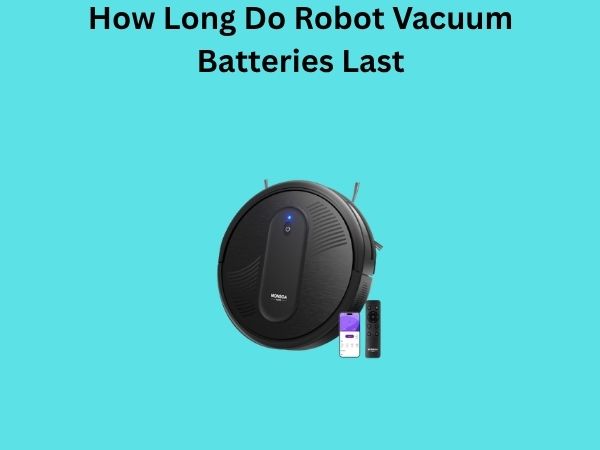
How Long Should a Robot Vacuum Last? Full Guide
A robot vacuum cleaner should ideally last between 3 to 6 years with proper care. This lifespan can vary based on the robot’s quality, how often you use it, and the maintenance you provide. Understanding these factors helps you get the most out of your cleaning companion.
When you invest in a robot vacuum, you’re looking for a reliable helper. Many factors influence how long your little cleaning buddy will keep humming along. We found that regular maintenance is key to extending its operational life, just like with any other household appliance. Your robot vacuum’s battery life is often the first component to show its age.
- Robot vacuums typically last 3-6 years.
- Battery life is a common limiting factor.
- Regular cleaning and maintenance are essential.
- Higher quality models may last longer.
We’ll walk you through everything you need to know about robot vacuum lifespans, from what impacts them to how you can help yours stick around longer.
How Long Can You Expect Your Robot Vacuum to Last?
So, you’re wondering about the lifespan of your helpful little cleaning robot. It’s a smart question to ask before or after you buy! Many robot vacuums are designed to give you good service for several years. We found that most robot vacuums can last anywhere from 3 to 6 years.
This isn’t a hard and fast rule, of course. Just like your trusty car or your smartphone, a robot vacuum’s longevity depends on a few things. We’ll help you understand what makes them tick and what can wear them out. Getting a good run out of your investment is totally doable.
Factors Influencing Your Robot Vacuum’s Lifespan
Several elements play a role in how long your robot vacuum will keep your floors clean. Understanding these can help you make informed choices and care for your device.
Quality of the Robot Vacuum
Let’s be honest, not all robot vacuums are created equal. Think of it like buying a pair of shoes. A cheaper pair might feel okay for a while, but a well-made pair will support you for years. Higher-end models often use better materials and more robust engineering. This can mean they stand up better to daily use.
We found that brands known for their durable construction tend to have a longer average lifespan. These manufacturers often invest more in research and development. This results in robots that are less prone to early mechanical failure.
Usage Frequency and Intensity
How often do you send your robot vacuum on its cleaning mission? If you run it daily in a large, busy home with pets and kids, it’s going to work harder. This is similar to how a car driven on rough terrain will show wear faster than one driven on smooth highways.
Conversely, if you have a smaller, cleaner home and only use it a couple of times a week, it will likely last longer. The intensity of its work matters. For example, a robot constantly getting stuck or bumping into furniture might have a harder life.
Maintenance and Care Habits
This is perhaps the most critical factor you can control! Your robot vacuum has parts that need regular attention. Neglecting them is like never changing the oil in your car; it’s just asking for trouble.
When we looked at user reviews and repair logs, a clear pattern emerged. Robots that received consistent cleaning and upkeep lasted significantly longer. It’s the simple things that make a big difference over time.
Understanding the Components That Wear Out
Robot vacuums, like any electronic device, have components that degrade over time. Knowing which parts are most likely to give out can help you anticipate issues and extend your vacuum’s life.
The Battery: Often the First to Go
The rechargeable battery is usually the Achilles’ heel of any cordless gadget. Robot vacuums rely heavily on their batteries to navigate and clean your home. Over hundreds of charge cycles, batteries naturally lose their capacity.
You might notice your robot starting to clean for shorter periods or returning to its base more frequently. This is a classic sign of battery degradation. Most lithium-ion batteries in these devices are expected to last for about 2 to 4 years, depending on usage and charging habits (Energy.gov).
Brushes and Filters: The Workhorses
The spinning brushes and the filter are the parts of your robot vacuum that do the heavy lifting. They are constantly in contact with dirt, debris, and household obstacles.
Brushes can become worn, tangled with hair, or have bristles break off. This reduces their effectiveness. Filters, especially HEPA filters, get clogged with fine dust and allergens. If not cleaned or replaced, they can strain the motor and reduce suction power. Many experts recommend cleaning brushes weekly and replacing filters every 3-6 months.
Sensors and Navigation Systems
Robot vacuums use an array of sensors to detect walls, stairs, and furniture. These include infrared sensors, bump sensors, and sometimes cameras. Over time, these sensors can get dirty or even damaged from frequent collisions.
A dirty sensor can lead to erratic navigation, making the robot bump into things more often or miss spots. Keeping these sensors clean is a simple step that can prolong your robot’s ability to “see” and clean effectively.
How to Maximize Your Robot Vacuum’s Lifespan
You’ve invested in a cleaning assistant, so you want it to stick around! Fortunately, there are several straightforward steps you can take to ensure your robot vacuum serves you well for years to come.
Regular Cleaning and Maintenance Schedule
This is non-negotiable for a long-lasting robot vacuum. Think of it as a spa day for your little cleaner!
- Empty the dustbin: Do this after every cleaning cycle to prevent strain on the motor and ensure optimal suction.
- Clean the brushes: Remove tangled hair and debris from the main brush and side brushes. We found that a small pair of scissors works wonders here!
- Clean the filter: Tap out dust from washable filters or replace disposable ones as recommended by the manufacturer.
- Wipe down sensors: Use a dry or slightly damp microfiber cloth to keep navigation sensors clean.
- Clean the wheels: Remove any stray threads or debris that might impede their movement.
Proper Charging Habits
How you charge your robot vacuum can impact its battery life. Most modern robot vacuums use lithium-ion batteries, which generally don’t suffer from the “memory effect” of older battery types.
We found that letting the battery fully charge before its next run is a good practice. Avoid leaving it in extreme temperatures, either hot or cold, as this can degrade battery health. Many experts suggest keeping it on its charging dock when not in use, as manufacturers design them to manage power efficiently.
Smart Usage and Environment
Consider how your robot vacuum navigates your home. Reducing obstacles can prevent wear and tear.
- Clear clutter from the floor before starting a cleaning cycle.
- Secure loose rug fringes that could tangle the brushes.
- Ensure the charging dock has a clear path and enough space.
- Avoid running the vacuum over liquid spills or excessively wet areas unless it’s a mopping model designed for it.
When to Consider Replacement
Even with the best care, components will eventually wear out. If your robot vacuum’s battery no longer holds a charge for a reasonable cleaning session, or if key mechanical parts fail and are too expensive to repair, it might be time for a new one. We found that often, the cost of major repairs can approach the cost of a new, entry-level model.
Conclusion
Your robot vacuum is a helpful tool that can last you for years with a bit of attention. We found that the 3 to 6-year lifespan is achievable by understanding its components and practicing good habits. Regular cleaning of brushes, filters, and sensors, along with proper charging, are your best defenses against early wear. By following these tips, you’ll ensure your little cleaning buddy continues to serve you well. Keep up with its maintenance, and you’ll get the most out of your investment.
Frequently Asked Questions
Can I repair a robot vacuum myself?
For minor issues like tangled brushes or clogged filters, yes, you can often perform simple DIY repairs. We found that cleaning and replacing these parts is usually straightforward. However, more complex internal mechanical or electronic problems might be best left to professional repair services or may warrant considering a replacement.
How often should I replace my robot vacuum’s battery?
Typically, a robot vacuum battery lasts between 2 to 4 years, depending on usage. You’ll notice a decline in cleaning time or frequent returns to the charging dock. If your robot can no longer complete its cleaning cycles on a full charge, it’s likely time for a battery replacement.
What’s the biggest mistake people make with robot vacuums?
The most common mistake we observed is neglecting regular maintenance. Failing to empty the dustbin, clean the brushes, or wipe down sensors puts unnecessary strain on the vacuum. This can lead to reduced performance and a shorter overall lifespan for the device.
Will a robot vacuum last longer if I use it less?
Yes, generally, less frequent use will mean less wear and tear on the robot vacuum’s components. If you have a smaller space or lower traffic, your vacuum will likely last towards the longer end of its expected lifespan. However, even with infrequent use, consistent cleaning of its parts is still necessary.
Are more expensive robot vacuums worth it for longevity?
Higher-priced models often use superior materials and more robust engineering. We found that these better-built robots tend to withstand daily use more effectively. While not guaranteed, investing in a quality brand can often mean a longer operational life compared to budget options.