Robot Vacuum Usage: How Often Should You Run Yours
You’re probably wondering, how often should you use your robot vacuum? For most homes, running your robot vacuum every day is ideal for keeping dust, pet hair, and crumbs at bay. This frequent cleaning helps maintain a consistently tidy floor, especially in high-traffic areas. Think of it as a little robotic helper working hard for you.
We know life gets busy, and daily vacuuming might seem like a lot. But your robot vacuum is designed for this! Consistent use prevents dirt from building up, making deep cleans less necessary. Plus, many models have smart features that let you schedule cleanings, so your floors stay clean without you lifting a finger. It’s all about making life easier, right?
- Daily cleaning is best for most homes.
- Aim for once a day or every other day.
- Adjust based on pets, kids, and floor type.
- Consider scheduling for convenience.
Let’s break down the best schedule for your unique home and see how often you should be letting your little robot buddy roam.
How Often Should You Run Your Robot Vacuum?
You’ve got this nifty robot vacuum buzzing around your home, and you’re wondering, “When is the best time to let it loose?” The simple answer for most households is daily, or at least every other day. This consistent cleaning schedule keeps dust bunnies from staging a takeover and pet hair from becoming a permanent floor resident. Think of it as a small, automated cleaning crew that works tirelessly for you.
We understand that a daily vacuum might sound like a lot of work. But your robot vacuum is designed for exactly this! Regular cleanings prevent dirt from building up. This means you’ll need fewer deep cleans. Many models even let you schedule cleanings. Your floors can stay spotless without you lifting a finger. It’s all about making life easier, right?
Understanding Your Cleaning Needs
So, how often *should* you be running your robot vacuum? The truth is, there’s no single magic number. Your ideal cleaning frequency depends on a few key factors unique to your home. We’ve found that considering these aspects helps you create the perfect routine.
The Impact of Pets
If you share your home with furry friends, you know they’re masters of shedding. Pet hair can quickly accumulate, creating a fluffy layer on your floors. For pet owners, running your robot vacuum once a day is often necessary. This is especially true if you have multiple pets or breeds known for heavy shedding. Consistent cleaning prevents hair from embedding into carpets or spreading throughout your home. We found that daily runs are a game-changer for keeping dander and fur under control.
Kids and High-Traffic Areas
Little ones are notorious for tracking in dirt, dropping crumbs, and generally making a mess. If you have children, especially younger ones, consider running your robot vacuum daily. High-traffic areas like the kitchen, dining room, and living room will benefit the most. This keeps these busy zones tidy and reduces the spread of tracked-in dirt. You might find that just focusing on these specific areas daily helps immensely.
Floor Types Matter
Different floor types require different cleaning approaches. Hardwood floors and tile show dust and debris more readily than carpet. If you have mostly hard surfaces, daily vacuuming is ideal to keep them looking pristine. Carpets, on the other hand, can hide dirt a bit better.
Hardwood and Tile
For homes with lots of hardwood, laminate, or tile, dust and small particles are very visible. Running your robot vacuum every day is the best way to keep these surfaces looking clean and polished. It prevents those tell-tale dust streaks from forming. Many users report a significant difference in appearance with daily sweeps.
Carpet and Rugs
Carpet can trap dirt, dust mites, and allergens. While daily vacuuming is still beneficial, you might get away with running your robot vacuum every other day if you have mostly carpet. This still prevents significant buildup. For those with very high-pile carpets, consider how well your robot can navigate and clean them. Some robots may struggle with deeper piles.
Setting Up Your Robot Vacuum Schedule
Once you’ve considered your home’s specific needs, it’s time to set up a schedule. Most robot vacuums come with app-based scheduling features. This allows you to automate the cleaning process, making it effortless. We found that setting up a schedule is one of the most convenient aspects of owning a robot vacuum.
The Power of Scheduling
Using the scheduling feature means your robot vacuum can clean while you’re away or asleep. This prevents disruption to your daily activities. Imagine coming home to clean floors every day without lifting a finger! It’s a fantastic way to maintain a clean home effortlessly. Many experts say automation is key to consistent home maintenance.
When to Run Your Robot Vacuum
Think about your daily routine. When is the best time for your robot to roam? Many people opt to schedule cleanings for when they are out of the house, whether that’s at work or running errands. Another popular option is overnight. This ensures your floors are clean by morning.
Daytime Cleaning
If your home is often empty during the day, daytime cleaning is a great option. You can set your robot to clean while you’re at work. This way, you return to a fresh-smelling and clean-looking home. Just ensure that all clutter is cleared from the floor to allow for uninterrupted cleaning.
Overnight Cleaning
For those who are home most of the day, overnight cleaning can be ideal. Most modern robot vacuums are relatively quiet. They won’t disturb your sleep. You can wake up to sparkling floors every morning. This strategy works well for busy schedules and ensures no part of your day is interrupted.
Adjusting Your Schedule
Life happens, and your schedule might need tweaking. Don’t be afraid to adjust how often you run your robot vacuum. If you notice more dust or pet hair than usual, increase the frequency. If things seem under control, you might be able to reduce it slightly. Your robot vacuum is a tool to help you, so use it in a way that best suits your needs. We found that flexibility is key to long-term satisfaction with robot vacuums.
| Household Factor | Recommended Frequency | Notes |
|---|---|---|
| No Pets, No Kids (Low Traffic) | 2-3 Times Per Week | Focus on maintaining cleanliness. |
| One Pet or Young Children | Daily or Every Other Day | Manage shedding, crumbs, and tracked-in dirt. |
| Multiple Pets or Active Kids | Daily | Essential for high levels of pet hair and mess. |
| Mostly Hardwood/Tile Floors | Daily | Visible dust and debris require frequent cleaning. |
| Mostly Carpet/Rugs | Every Other Day | Helps prevent dirt buildup in carpet fibers. |
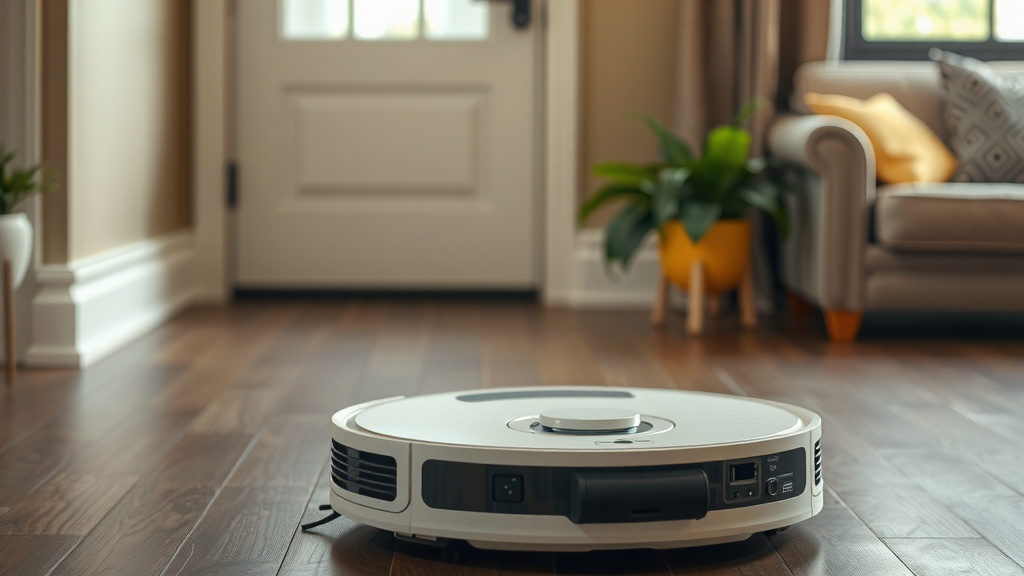
Tips for Optimal Robot Vacuum Use
To get the most out of your robot vacuum, a few best practices can go a long way. These simple steps ensure your device runs smoothly and cleans effectively. We’ve gathered some expert advice to help you maximize its performance. Keeping your robot in good shape is as important as running it regularly.
- Keep it charged: Always ensure your robot has a full charge before its scheduled cleaning.
- Empty the bin regularly: A full dustbin reduces suction power and cleaning efficiency.
- Clear the path: Remove small objects, cords, and toys from the floor before cleaning starts.
- Maintain the brushes and filters: Clean or replace brushes and filters as recommended by the manufacturer. This keeps it picking up dirt effectively.
- Check for updates: Keep your robot’s firmware updated for optimal performance and new features.
By following these tips, you’ll ensure your robot vacuum is always ready to tackle the mess. This keeps your home consistently cleaner with minimal effort on your part. It’s all about working smarter, not harder!
Conclusion
You’ve learned that the ideal frequency for running your robot vacuum depends on your unique home. For most households, especially those with pets or children, daily or every other day is your sweet spot. Homes with mostly hard floors benefit from daily sweeps, while carpeted areas might be fine with slightly less frequent runs. Don’t forget to utilize your robot’s scheduling features to make cleaning effortless. Your next step is to assess your home’s needs and set a schedule that keeps your floors looking their best with minimal fuss. Enjoy your cleaner home!
Frequently Asked Questions
How often should I run my robot vacuum if I don’t have pets or kids?
If your home has low traffic and no pets or children, you likely don’t need to run your robot vacuum daily. Research and our findings suggest that 2-3 times per week is often sufficient. This frequency helps maintain general cleanliness without overwhelming your robot or your schedule.
Can I run my robot vacuum while I’m not home?
Absolutely! Scheduling your robot vacuum to run while you’re away is one of its biggest benefits. Many users find that having it clean during work hours or while running errands means they come home to spotless floors without any interruption. Just ensure the floor is clear of obstacles.
What if my robot vacuum misses spots when it runs less often?
If your robot vacuum is missing spots or not cleaning effectively on a less frequent schedule, it’s time to increase its usage. Consider bumping it up to daily or every other day, especially in high-traffic areas. You may also need to check that its brushes and sensors are clean for optimal performance.
How does floor type affect how often I should use my robot vacuum?
Floor type plays a key role. We found that hardwood and tile floors show dust and debris more readily, so daily vacuuming is often best to keep them looking pristine. Carpets can hide dirt a bit better, so running your robot every other day might suffice for primarily carpeted homes.
Should I always empty my robot vacuum’s bin after every use?
While it’s not always strictly necessary to empty the bin after every single run, it’s highly recommended for optimal performance. A full bin can significantly reduce suction power, meaning your robot won’t clean as effectively. For most users, emptying the bin daily or every other day, especially if you have pets, is a good practice.