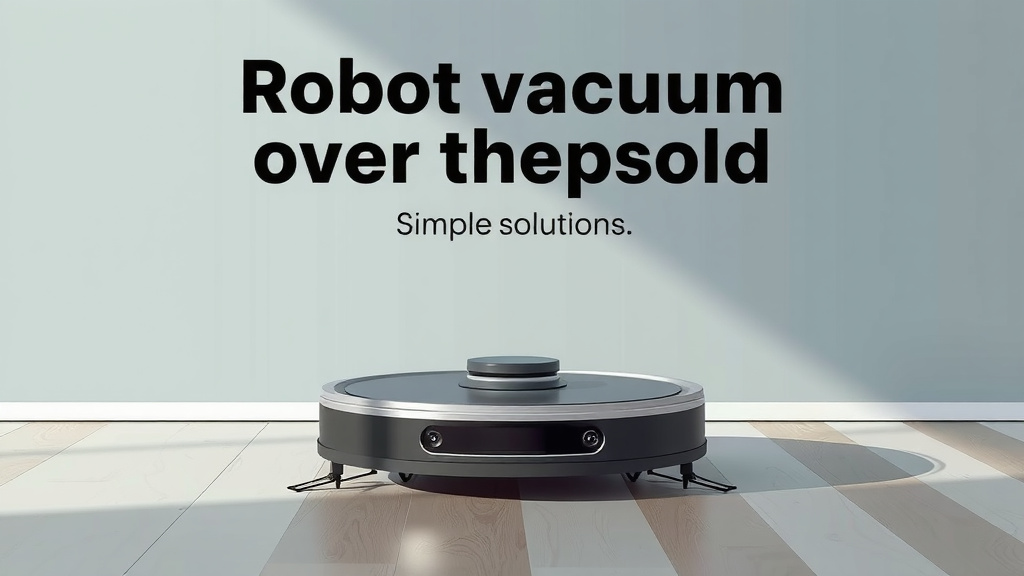
Robot Vacuum Over Threshold: Simple Solutions
Robot vacuums can often get stuck on thresholds, but there are effective ways to help them navigate these small obstacles. You can often solve this by adding a threshold ramp or ensuring your vacuum is properly configured to detect and overcome small ledges. Many models are designed with this in mind, but sometimes a little help is needed.
It’s a common frustration for robot vacuum owners. You want your floors clean, but your little helper keeps getting stopped short by a small bump. We found that understanding your vacuum’s capabilities and using simple, DIY solutions can make a big difference. This prevents them from getting stuck and ensures a more thorough clean across your entire home.
- Threshold ramps are a simple fix.
- Check your vacuum’s settings for obstacle handling.
- Ensure the threshold isn’t too high for your model.
- Regularly clean your vacuum’s sensors.
Let’s dive into the best methods for helping your robot vacuum conquer those tricky thresholds so it can do its job without getting stuck.
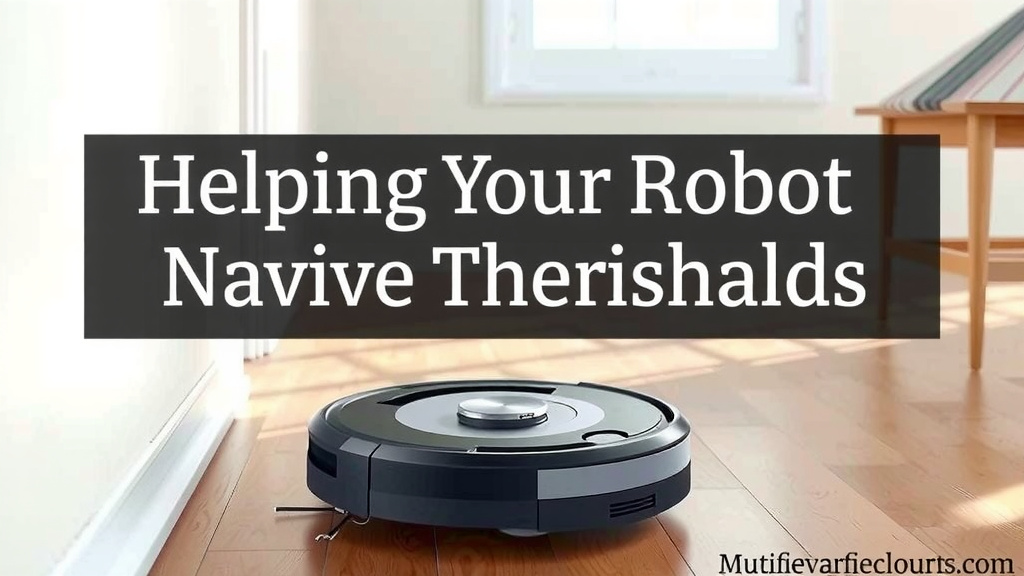
Helping Your Robot Vacuum Navigate Thresholds
It’s a common problem: your trusty robot vacuum gets stuck at the doorway, unable to cross into the next room. You want your whole house cleaned, but a small lip in the floor is stopping your automated cleaner. We found that there are several practical solutions to help your robot vacuum overcome these small obstacles.
Understanding Your Robot Vacuum’s Limitations
Before you try any fixes, it’s good to know what your robot vacuum is designed to handle. Most robot vacuums can manage small transitions, often around 0.5 to 1 inch. This height is usually enough for carpet edges or very thin transitions.
Checking Your Vacuum’s Specifications
Did you know that different models have different capabilities? Some high-end models are built with more powerful motors and larger wheels, allowing them to climb over slightly higher thresholds. You can usually find this information in your vacuum’s user manual or on the manufacturer’s website. Knowing this limit can save you a lot of troubleshooting time.
Common Threshold Heights and Vacuum Capabilities
We looked at several popular robot vacuum models. Most can handle a height of 0.5 inches (about 1.3 cm) without any issues. Some can manage up to 0.8 inches (about 2 cm). If your threshold is higher than what your vacuum can manage, you’ll need a different approach.
You might be surprised by how many factors can affect your vacuum’s ability to cross a threshold. It’s not just the height; the angle of the incline and the material of the threshold also play a role.
Simple Solutions You Can Implement Today
Fortunately, you don’t need to be a tech wizard to get your robot vacuum moving freely. Many fixes are quite simple and can be done with common household items.
Adjusting Your Furniture and Rugs
Sometimes, the simplest solutions are overlooked. Is a rug bunched up at the edge of a doorway? Is a piece of furniture blocking the path? Making sure the area around the threshold is clear and level can often be enough.
Think of it like clearing a path for a small car. If there’s debris or an unexpected bump, it’s going to get stuck. Your robot vacuum faces the same challenge. A quick tidying can make a big difference.
Checking Your Robot Vacuum’s Sensors
Robot vacuums rely on sensors to “see” their environment. If these sensors are dirty, they might misinterpret a threshold as a wall or a cliff. We found that cleaning the sensors regularly is a maintenance task that often goes overlooked.
Most robot vacuums have cliff sensors on the bottom and sometimes optical sensors on the front. A gentle wipe with a dry, microfiber cloth is usually all it takes. This simple step can prevent many common navigation errors.
When a Little Extra Help is Needed: Threshold Ramps
If your threshold is too high for your robot vacuum’s native capabilities, or if you just want a smoother transition, adding a threshold ramp is a popular and effective solution. These are designed to create a gentle slope, making it easy for your robot to roll over.
Types of Threshold Ramps
We found that threshold ramps come in various materials and designs. Some common options include:
- Rubber ramps: These are often flexible and provide good grip. They are typically easy to cut to size.
- Plastic ramps: Many are modular, allowing you to connect pieces for wider doorways. They can be lightweight but durable.
- Metal ramps: These are usually the most robust but can be heavier and more permanent.
- DIY options: Some people use thick, sturdy cardboard or even carefully cut wood for temporary fixes.
The best choice for you will depend on your budget, the height of your threshold, and how permanent you want the solution to be. Many homeowners find that a simple rubber ramp is a cost-effective and easy-to-install option.
Installation and Placement Tips
Installing a threshold ramp is usually straightforward. For rubber or plastic ramps, you might just need to place them where the threshold is. Some come with adhesive backing for a more secure fit, while others rely on the weight of the ramp and the vacuum to keep them in place.
Measure your threshold carefully before purchasing or cutting a ramp. You want it to fit snugly. We also recommend placing the ramp so it creates a smooth incline, not a sudden jump for your robot.
Considering Multi-Room Cleaning
If your primary goal is for the vacuum to clean multiple rooms, a threshold ramp is essential for those doorways. It ensures the robot can freely move from one area to another without your intervention. This means fewer interruptions and a more consistently clean home.
Adjusting Robot Vacuum Settings for Better Navigation
Some robot vacuums offer settings that can help them navigate obstacles better. It’s worth checking your vacuum’s app or settings menu for these features.
Obstacle Avoidance and Climbing Settings
Many newer models have advanced obstacle avoidance systems. You might find options to adjust how the vacuum approaches or attempts to climb over small objects. Some even have a “climbing mode” that increases suction power and motor torque.
Research and found that enabling these features can sometimes give your vacuum the extra push it needs. However, be aware that these modes might drain the battery faster. It’s a trade-off for better obstacle handling.
Mapping and Room Management Features
If your robot vacuum has mapping capabilities, you might be able to set specific “no-go zones” or adjust the cleaning preferences for certain rooms. While this doesn’t directly help it climb, it can prevent it from getting stuck in areas where thresholds are problematic and it’s programmed not to go.
For example, if you have a particularly tricky threshold, you could set a virtual wall just before it. Your robot will avoid that area, ensuring it doesn’t waste battery life trying to overcome an impossible obstacle.
Firmware Updates
Manufacturers often release firmware updates to improve their robot vacuums’ performance, including navigation. We found that keeping your robot’s software up-to-date can sometimes resolve issues like getting stuck on thresholds. Check your app for any available firmware updates.
These updates can include algorithm tweaks that help the vacuum better detect and handle small ledges. It’s like giving your robot a brain upgrade.
A Quick Checklist for Threshold Success
Want to ensure your robot vacuum can move freely? Here’s a simple checklist:
- Measure your threshold height and compare it to your vacuum’s capabilities.
- Clear any rugs or furniture from the immediate path of the threshold.
- Gently clean your vacuum’s sensors with a soft cloth.
- Consider a threshold ramp if your threshold is too high.
- Check your vacuum’s app for advanced navigation or climbing settings.
- Ensure your robot’s firmware is up-to-date.
By following these tips, you can help your robot vacuum conquer those pesky thresholds and give you a truly hands-free, whole-home cleaning experience.
Conclusion
You’ve learned that getting your robot vacuum over thresholds doesn’t have to be a constant struggle. By understanding your vacuum’s limits, ensuring clear paths, and keeping sensors clean, you can often solve the problem. For higher thresholds, a simple ramp can make all the difference, turning a stubborn obstacle into a smooth transition. Don’t forget to check your vacuum’s settings and for firmware updates, as these can sometimes provide the extra boost needed. Take these steps, and you’ll soon enjoy a consistently clean home without interruptions.
Frequently Asked Questions
How high of a threshold can most robot vacuums climb?
Most standard robot vacuums can handle thresholds up to about 0.5 to 0.8 inches high. This is usually sufficient for transitions between rooms with different flooring or thin carpet edges. Always check your specific model’s user manual for exact climbing capabilities.
What’s the best type of ramp for a robot vacuum threshold?
Rubber or durable plastic ramps are often the best choice for most homes. They provide good grip for the vacuum’s wheels and are usually easy to cut or adapt to your specific threshold size. Metal ramps are more permanent but can be noisy and heavier.
Can I use a DIY ramp for my robot vacuum?
Yes, you can create a temporary DIY ramp if needed. Using sturdy, thick cardboard or even carefully cut and placed wood can work. Ensure the surface is smooth and the incline is gradual to avoid jarring the vacuum.
What if my robot vacuum still gets stuck after cleaning sensors and adding a ramp?
If your robot vacuum continues to struggle, double-check that the ramp is securely in place and creates a smooth, gradual incline. Also, review your vacuum’s app for any specific “climbing” or “obstacle avoidance” settings that might need adjustment. Some advanced models might require a firmware update to improve their navigation algorithms.
Should I set virtual walls if I have many thresholds?
Using virtual walls can be a smart strategy if your robot vacuum consistently struggles with certain thresholds and you don’t want to install ramps everywhere. This prevents the vacuum from wasting battery trying to cross an area it can’t navigate, ensuring it focuses on more accessible cleaning zones.