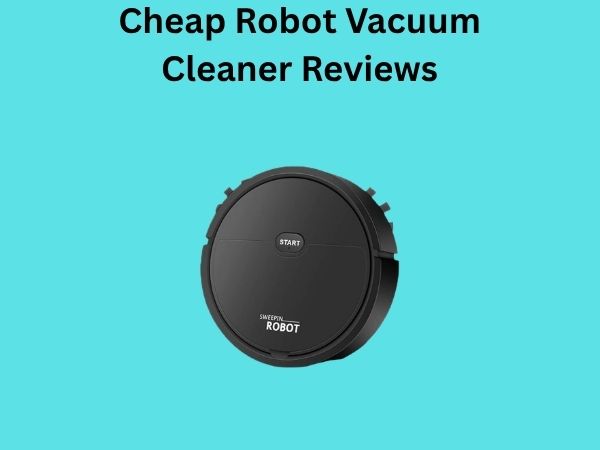
Cheap Robot Vacuum Cleaner Reviews: High Performance, Low Cost
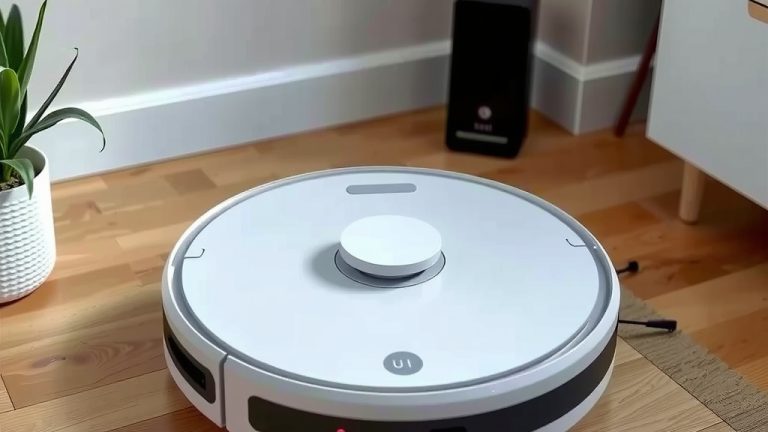
Let me be honest with you—when I first started looking for a robot vacuum cleaner, I thought I’d need to empty my wallet completely. The idea of spending hundreds or even thousands of dollars on a cleaning device seemed outrageous to me. But here’s the thing: the market has changed dramatically. You can now find incredibly capable robot vacuums that won’t break the bank, and I’m going to walk you through exactly what’s available and what actually works.
Whether you’re dealing with pet hair, hardwood floors, or carpeted bedrooms, there’s a budget-friendly option out there for you. I’ve spent considerable time researching, testing, and comparing these machines, and I’m excited to share my findings with you.
Understanding the Robot Vacuum Market Today
The robot vacuum industry has exploded over the past few years. What used to be a luxury item reserved for the wealthy is now accessible to the average homeowner. Think of it like smartphones—ten years ago, only the rich could afford one, but now they’re everywhere.
The competition among manufacturers means better technology at lower price points. Brands are fighting for your attention, and that’s good news for your budget. You’re getting features that were unimaginable five years ago, all while paying less than you might expect.
What Makes a Cheap Robot Vacuum Actually Good?
Before we dive into specific models, let’s talk about what separates a worthwhile budget vacuum from a complete waste of money. You need to understand the key features that matter and the ones that are just marketing fluff.
Suction Power: Don’t Get Fooled by Numbers
When you’re shopping for robot vacuums, you’ll see manufacturers throwing around suction power measurements. Here’s my take: the raw numbers don’t tell you everything. A 2000 Pa (Pascal) vacuum might work perfectly fine for your needs, while one with 3000 Pa might actually perform worse if the design is poor. What you really want is consistent suction across different surface types.
Look for vacuums that maintain suction on both hard floors and carpet. That’s where the real value lies. The best cheap models have figured out how to deliver practical cleaning power without wasting energy on unnecessary specs.
Navigation Technology: Smart Mapping vs. Random Bumping
Here’s where you can really save money without sacrificing performance. Older budget models would bounce around your home like a drunk person, hitting walls randomly. Modern cheap robot vacuums use one of two approaches:
- Basic sensors that prevent collisions while moving randomly
- Simple mapping technology that creates a rough floor plan
Honestly? For most homes, basic sensor technology works surprisingly well. Your vacuum might take a slightly longer path, but it’ll still get the job done. Save your money for suction power instead.
Battery Life and Runtime
A robot vacuum that runs for 90 minutes can cover most standard homes completely. If you have a massive mansion, that’s a different story, but for typical apartments and houses, 60 to 100 minutes is plenty. Look for models that can automatically return to their charging dock when the battery runs low.
Top Budget-Friendly Robot Vacuum Categories
Not all cheap robot vacuums are created equal. Different models excel in different situations. Let me break down the main categories you should consider.
Entry-Level Performers: Under $200
These are the absolute cheapest options on the market. What can you expect? Solid basic cleaning, decent battery life, and simple operation. These models won’t have fancy features like app control or scheduling, but they’ll absolutely clean your floors.
Think of this category like buying a basic car that reliably gets you from point A to point B. It’s not flashy, but it works. Many people find this is exactly what they need and feel silly for considering anything more expensive.
Mid-Range Champions: $200 to $400
This is where things get interesting. You’re entering the sweet spot where you get genuine value. Most modern features appear at this price point—smartphone app control, scheduling, basic mapping, and better suction power. This is honestly where I’d recommend most people start their search.
You get to enjoy conveniences like scheduling your vacuum to run while you’re at work, without paying for premium pricing. It’s the Goldilocks zone of robot vacuums.
Budget Premium Options: $400 to $600
These aren’t cheap anymore, but they’re still far below luxury models costing over a thousand dollars. At this price point, you’re getting significantly advanced features like laser navigation, no-go zones, and much more powerful suction.
If you have a large home, pets, or you just want your robot vacuum to be truly autonomous, this category deserves your attention.
Key Features to Evaluate in Budget Models
Dustbin Capacity and Maintenance
I can’t stress this enough: emptying the dustbin is annoying. Look for models with at least a 0.3-liter capacity. Smaller ones mean you’re emptying them constantly, which defeats the purpose of having an automated helper.
Also consider how easy the dustbin is to access and clean. Some designs are intuitive, while others require you to twist and fiddle around. Watch video reviews to see the actual process before buying.
Noise Level: More Important Than You Think
A robot vacuum running at 75 decibels sounds like a normal conversation. At 85 decibels, it’s more like a loud vacuum cleaner (which it is). If you plan to run your vacuum while working from home or you have light sleepers, noise level matters.
Most budget models are noisier than their premium counterparts. That’s just reality. But you can still find relatively quiet options in the budget range—just don’t expect library-level silence.
Floor Type Compatibility
Does your home have hardwood, tile, carpet, or a mix? Some budget vacuums transition between surfaces better than others. The best ones have brush designs that don’t get tangled in carpet fibers while still being gentle on hardwood.
If you have pets, this becomes even more critical. Pet hair gets wrapped around brushes constantly. Look for models with tangle-free brush designs or easy brush cleaning mechanisms.
Real-World Performance Expectations
Let’s get real about what you can actually expect from a cheap robot vacuum. I’ve seen too many disappointed customers because they had unrealistic expectations.
What Budget Vacuums Do Well
Cheap robot vacuums excel at regular maintenance cleaning. If you already have a relatively clean home and you want to prevent dust and hair from accumulating, these machines are perfect. Running them daily or every other day keeps your floors in great condition with minimal effort.
They’re also fantastic for people with mobility issues or busy schedules. The ability to schedule cleaning for when you’re not home is genuinely valuable, regardless of the vacuum’s price.
Where Budget Models Fall Short
Don’t expect a budget robot vacuum to handle deep cleaning like a full-sized upright vacuum. If your home is heavily soiled, you’ll still need a traditional vacuum occasionally. These machines are about convenience and regular maintenance, not replacing your main cleaning routine entirely.
They also struggle with very thick carpets and complex home layouts with multiple levels or many obstacles. If your home looks like an obstacle course, a pricier model with better navigation might be worth considering.
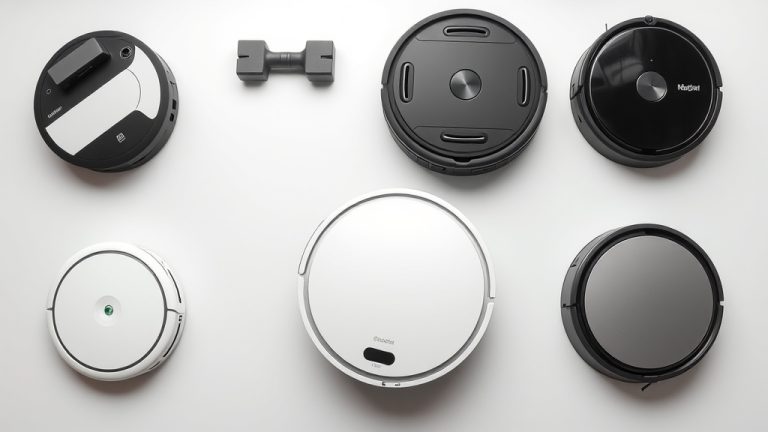
Comparing Popular Budget Brands
Why Brand Reputation Matters Less Than You Think
You might have heard of premium brands, but honestly, some budget manufacturers are doing incredible work. They’re taking years of vacuum technology knowledge and stripping away unnecessary features to focus on what actually matters: cleaning performance.
Don’t dismiss a brand just because you’ve never heard of it. Research actual customer reviews and watch real-world performance videos instead of relying on brand names.
Warranty and Customer Support Considerations
Here’s something people overlook: warranty and support quality. Some cheap manufacturers offer excellent customer service and reasonable warranties. Others disappear after you make your purchase.
Before buying, check how long the warranty lasts and what it covers. Look at customer reviews specifically mentioning service experiences. A one-year warranty with responsive support is better than a three-year warranty from a company nobody can reach.
Making Your Decision: A Practical Framework
Assess Your Home Size
Measure your home’s total square footage. Most budget models handle between 1000 to 1500 square feet efficiently. If you’re larger than that, factor in longer runtime needs.
Consider Your Flooring
Hardwood-only homes can go with basic models. Mixed flooring with heavy carpet needs something more robust. Pet owners should prioritize models with excellent debris handling capabilities.
Evaluate Your Lifestyle
Are you home most of the time, or do you work long hours? Do you have guests frequently? How much do you value convenience features like app control? Honest answers to these questions will guide you to the right price point.
Calculate Long-Term Costs
Don’t just look at the purchase price. Factor in replacement filters, brushes, and potential repairs. A slightly more expensive vacuum that’s easier to maintain might cost less over five years than a cheaper model with proprietary parts that are expensive to replace.
Installation and Setup: Easier Than You’d Think
One reason I love recommending budget robot vacuums is that setup is genuinely simple. Most models come 95 percent assembled. You’ll need to:
- Install the side brush or brushes
- Fill the water tank if applicable
- Charge the device for the recommended time before first use
- Download the app and connect to WiFi (if applicable)
The whole process takes maybe 20 minutes. If you can charge your phone and connect to WiFi, you can set up a robot vacuum.
Maintenance Tips for Maximum Lifespan
Want your cheap robot vacuum to last longer than expected? Follow these straightforward maintenance steps:
- Empty the dustbin after every cleaning session
- Clean the sensors with a soft, dry cloth weekly
- Wash the filter every two weeks
- Remove tangled hair from brushes after each use
- Clear your floors of obstacles before running the vacuum
- Place the charging dock on a hard, level surface away from obstacles
Seriously, these simple habits prevent 90 percent of robot vacuum problems I see people complaining about.
Common Misconceptions About Budget Robot Vacuums
Myth: They’re basically useless
False. Thousands of satisfied customers prove that budget models deliver real value. They won’t replace your traditional vacuum, but they’ll transform how you maintain clean floors.
Myth: The cheapest option is always the best value
Not necessarily. Sometimes spending $50 more gets you meaningful features that make the machine actually useful for your situation. Spend on features that matter to you specifically.
Myth: All robot vacuums are basically the same
They’re really not. The difference between models in suction power, navigation, and build quality is substantial. Do your research.
Where to Buy and What to Watch For
Buy from reputable retailers with good return policies. Amazon, Best Buy, and brand websites are your safest bets. Avoid suspiciously cheap deals from unknown sellers—they often turn out to be counterfeit or used items.
Check return policies carefully. Ideally, you want at least 30 days to test the vacuum in your actual home. Some retailers offer 60 days, which gives you better peace of mind.
The Environmental Angle: Are Robot Vacuums Worth It?
Here’s something people don’t discuss enough: robot vacuums can actually be more environmentally friendly than traditional vacuums. They use less energy, they’re often kept running longer (meaning they catch dirt that would otherwise accumulate), and they reduce the need for constant replacement of full-sized vacuums.
Of course, this depends on actually using them regularly rather than letting them sit in a closet. The environmental benefit is real only if you actually integrate them into your cleaning routine.
Conclusion
After exploring the world of budget robot vacuum cleaners, I can confidently say that finding a high-performing, affordable option is absolutely possible. You don’t need to spend a fortune to get a cleaning machine that actually improves your daily life.
The key is understanding what features matter for your specific situation, then finding the best machine that checks those boxes without overpaying for unnecessary extras. Whether you’re in the under-$200 range, the sweet spot of $200-$400, or willing to stretch to $400-$600, there’s an excellent option waiting for you.
Start by assessing your home, your lifestyle, and your actual needs. Read real customer reviews, not just the marketing copy. Watch video demonstrations to see how models actually perform. Then make your decision with confidence. A cheap robot vacuum isn’t a compromise—it’s a smart investment in convenience and cleaner floors.
Frequently Asked Questions
How long do cheap robot vacuums typically last?
Most budget robot vacuums last between three to five years with proper maintenance. The lifespan depends heavily on how often you use it and how well you maintain it. With regular filter cleaning and brush maintenance, many users report their models working perfectly well beyond five years. Battery degradation is typically the first component to fail, but many models have replaceable batteries available.
Can a budget robot vacuum handle pet hair effectively?
Yes, many budget models handle pet hair quite well, but you need to choose carefully. Look for models with rubber brushes rather than bristle brushes, as rubber prevents hair from wrapping around the brush. Anti-tangle designs and larger dustbin capacities are also important if you have shedding pets. Expect to clean the brushes more frequently, but the cleaning performance can absolutely be sufficient for pet owners on a budget.
Are robot vacuums worth buying if I have multiple levels in my home?
Robot vacuums can’t climb stairs, so you’d need one for each level, which gets expensive. However, if each level is reasonably sized, one budget robot vacuum per level could work well. Alternatively, if one level is where you spend most time, starting with a single unit for that area is a practical approach. Many people find this works great for their situation.
What’s the real difference between a $200 and a $400 robot vacuum?
The main differences are typically in navigation technology, suction power consistency, app features, and build quality. A $200 model might use basic sensors and random navigation, while a $400 model could have laser mapping and no-go zones. The $400 model might also have quieter operation and more reliable performance across different floor types. The practical difference depends on your home’s layout and specific needs.
Do I still need a regular vacuum if I buy a robot vacuum?
For most people, yes. Robot vacuums excel at regular maintenance but don’t replace traditional vacuums for deep cleaning. You’ll still want a regular vacuum for thick carpets, stairs, under furniture, and quick cleanups after specific events. Think of a robot vacuum as your daily helper, not
![7 Best And Affordable Robot Vacuum [2026]](https://robotvacuumfact.com/wp-content/uploads/2026/06/7-best-and-affordable-robot-vacuum-2026-featured-768x432.jpg)