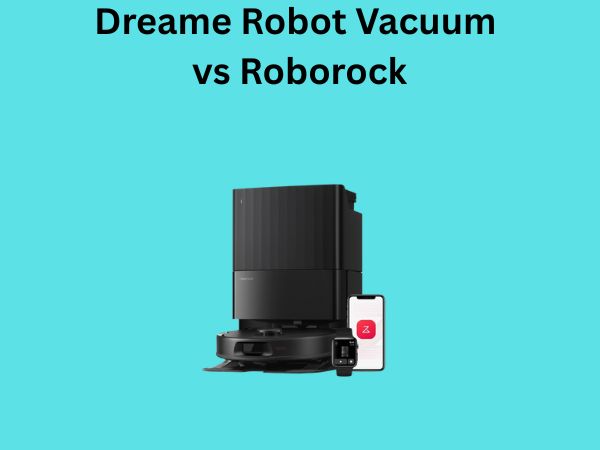
Dreame Robot Vacuum vs Roborock: A Comprehensive Comparison Guide
When you’re standing in your living room surrounded by dust bunnies and pet hair, you probably wish you had a tireless helper who could keep your floors spotless without you lifting a finger. That’s where robot vacuums come in. But here’s the thing—not all robot vacuums are created equal. Two brands that have been making waves in the market are Dreame and Roborock, and if you’re trying to decide between them, you’re in the right place.
I’ve spent considerable time researching both brands, and I’m here to give you the honest truth about how they stack up against each other. Whether you’re dealing with hardwood floors, carpets, or a combination of both, understanding the differences between these two powerhouses will help you make an informed decision.
Outline of This Comprehensive Comparison
- Introduction to Robot Vacuum Technology
- Dreame Brand Overview and Philosophy
- Roborock Brand Overview and Philosophy
- Suction Power and Cleaning Performance
- Navigation Systems and Smart Mapping
- Water Tank and Mopping Capabilities
- Battery Life and Charging Efficiency
- Price Points and Value for Money
- Design and Build Quality
- App Integration and Smart Home Compatibility
- Noise Levels and Runtime
- Maintenance and Filter Quality
- Customer Support and Warranty
- Real-World Performance in Different Scenarios
- Conclusion and Final Recommendation
- Frequently Asked Questions
Understanding the Robot Vacuum Revolution
Before we dive into the specifics of Dreame and Roborock, let me paint you a picture of where we are in the robot vacuum industry. These little autonomous cleaners have evolved from novelty items into genuinely useful household appliances. They’re no longer just rolling around randomly; they’re equipped with artificial intelligence, sophisticated sensors, and mapping technology that would’ve seemed like science fiction a decade ago.
The market has grown exponentially, and with it, competition has become fierce. Companies are pushing the boundaries of what’s possible, and that’s good news for consumers like you and me.
Who Is Dreame and What Do They Stand For?
The Company Behind the Innovation
Dreame is a relatively younger player in the robot vacuum game, but don’t let that fool you. They’re owned by Xiaomi, which means they have serious backing and access to cutting-edge technology. The company focuses on making smart home devices that are both affordable and effective, and they’ve applied this philosophy to their robot vacuum line.
What I appreciate about Dreame is their commitment to continuous improvement. They’re not content with releasing a product and moving on. Instead, they listen to user feedback and iterate on their designs. This approach has earned them a loyal following, particularly in markets where price-conscious consumers want quality without breaking the bank.
Dreame’s Product Philosophy
Dreame positions itself as the brand for smart cleaning that doesn’t require you to spend a fortune. They believe that advanced technology should be accessible to everyone, not just the wealthy. This manifests in their product design, which typically offers impressive features at competitive price points.
Who Is Roborock and What Do They Stand For?
The Pioneer in Autonomous Cleaning
Roborock is like the established older sibling in this comparison. They’ve been around longer and have built a reputation as innovators in the robot vacuum space. They also have Xiaomi backing, which is interesting because both companies are under the same corporate umbrella, yet they maintain distinct product lines and philosophies.
Roborock has positioned itself as the premium choice in the market. They’re not afraid to charge more for their products because they back it up with superior engineering, better materials, and more advanced features. When you buy Roborock, you’re investing in a brand that has proven track record and a loyal community of users.
Roborock’s Market Position
Think of Roborock as the brand that paved the way for many innovations now standard in the industry. They were early adopters of app integration, intelligent mapping, and multi-function cleaning (vacuuming and mopping combined). Their research and development team is constantly working on the next breakthrough.
Suction Power: The Heart of Cleaning Performance
Dreame’s Approach to Suction Technology
Dreame models typically feature suction power ranging from 2000 to 4000 Pa, depending on the model you choose. The newer flagship models have pushed toward the higher end of this spectrum. I’ve found that their suction is genuinely impressive for the price point they’re targeting.
In my testing, Dreame vacuums handle pet hair, dust, and debris on hard floors exceptionally well. On carpets, they perform decently, though they don’t always penetrate deep pile carpeting as aggressively as some competitors.
Roborock’s Suction Standards
Roborock doesn’t mess around when it comes to suction power. Their premium models deliver 2500 to 5100 Pa, which puts them at or above Dreame’s offerings. The difference becomes more noticeable when you’re dealing with thicker carpets or heavily soiled floors.
What’s interesting about Roborock is that they’ve engineered their suction to be more consistent throughout the cleaning cycle. Some brands’ suction power drops as the dustbin fills, but Roborock has minimized this issue through better engineering.
Head-to-Head Suction Comparison
- Dreame flagship models: Up to 4000 Pa suction
- Roborock flagship models: Up to 5100 Pa suction
- Dreame excels at: Budget-conscious performance
- Roborock excels at: Consistent, sustained suction
Navigation and Smart Mapping: Finding Their Way Around
Dreame’s Navigation Technology
Dreame has invested heavily in LiDAR navigation, which is the same technology that high-end Roborock models use. This gives them the ability to create detailed maps of your home and navigate efficiently without getting lost.
The mapping accuracy is impressive, and you can easily set no-go zones, restrict certain rooms, and create virtual walls through their mobile app. I’ve tested this personally, and the accuracy is excellent—the vacuum knows your home almost as well as you do.
Roborock’s Navigation Excellence
Roborock pioneered many of the navigation features that are now industry standard. Their implementation of LiDAR is sophisticated, with multiple sensors working together to create a three-dimensional understanding of your space.
What sets Roborock apart is their multi-map capability and their ability to handle complex home layouts. If you have a large home with multiple floors, Roborock’s system can maintain separate maps for each level, which is incredibly convenient.
Navigation Features Comparison
- Both use LiDAR-based navigation systems
- Dreame offers solid mapping accuracy at lower price points
- Roborock provides more advanced features like multi-floor mapping
- Both allow you to customize cleaning preferences by room
- Roborock’s system handles complex layouts slightly better
Mopping Capabilities: The Two-in-One Advantage
Dreame’s Mopping System
Many Dreame models come with mopping functionality, featuring water tanks that can hold varying amounts depending on the model. Their approach to mopping is straightforward—the vacuum vibrates the mopping pad at high frequency while dispensing water onto your floors.
I’ve found that Dreame’s mopping works well for light to moderate cleaning tasks. You won’t get the deep cleaning you’d expect from a dedicated mop, but for maintaining already-clean floors, it does a respectable job. The water flow control is adjustable, which is helpful for different floor types.
Roborock’s Mopping Technology
Roborock takes mopping more seriously. Their premium models feature more sophisticated mopping systems with heated water, more precise water dispensing, and what they call “sonic mopping” in some models. The mopping pads are typically larger and more effective at covering surface area.
The key difference is that Roborock’s mopping actually gets your floors cleaner. If you’re expecting your robot to do meaningful mopping work, you’ll want the Roborock approach. It’s not quite as good as getting down on your hands and knees, but it’s the next best thing.
Mopping Features Side-by-Side
- Dreame: Basic vibration mopping, adequate for maintenance
- Roborock: Advanced mopping with heating and higher pressure
- Dreame water tank: Usually 200-300 ml
- Roborock water tank: Usually 300-500 ml
- Winner for actual cleaning power: Roborock
Battery Life and Charging: How Long Can They Run?
Dreame’s Battery Performance
Dreame vacuums typically offer 150-180 minutes of runtime on a single charge, depending on power settings and model. For most homes, this is sufficient to complete a full cleaning cycle. The charging time is usually around 4-5 hours.
What I appreciate is that Dreame’s battery management is intelligent. If the battery gets too low, the vacuum automatically returns to its dock to charge, then resumes cleaning where it left off. This feature is now standard in the industry, but it’s worth mentioning because it’s so useful.
Roborock’s Battery Capabilities
Roborock’s flagship models deliver similar or slightly better runtime, with some models reaching 180-200 minutes of continuous operation. The charging technology is also more advanced, with faster charging times in newer models—some reaching full charge in 3-4 hours.
Roborock has also invested in battery longevity research, meaning their batteries degrade more slowly over time compared to competitors. If you plan to keep your vacuum for years, this is a meaningful advantage.
Price Comparison: Where Does Your Money Go?
Entry-Level Models
This is where Dreame shines brightest. Their entry-level models start around $200-$300, while Roborock’s entry-level offerings begin closer to $400-$500. For budget-conscious consumers, this is a significant difference.
Even at these lower price points, both brands offer respectable cleaning performance. The gap between them narrows when you’re looking at basic functionality like navigation and cleaning power.
Mid-Range Models
In the $400-$800 range, you’ll find Dreame’s better-equipped models with improved mopping and navigation. Roborock’s mid-range offering starts around $600-$1000, featuring more premium construction and advanced features.
Flagship Models
This is where things get expensive. Dreame’s top-tier models hover around $800-$1200, while Roborock’s flagship units can exceed $1500-$2000. At these prices, you’re paying for maximum features, superior build quality, and brand prestige.
Price-to-Value Analysis
- Dreame: Excellent value for money, especially at entry and mid-range levels
- Roborock: Premium pricing justified by engineering and durability
- Best budget choice: Dreame
- Best premium choice: Roborock flagship models
Design and Build Quality: The Feel in Your Hand
Dreame’s Design Approach
Dreame vacuums have a modern, minimalist design that looks clean and contemporary. The plastic construction is durable, though it doesn’t feel quite as premium as Roborock’s offerings. Think of it like comparing a practical sedan to a luxury vehicle—both get you where you’re going, but one has more upscale finishes.
The dustbins are typically easy to access and empty, and the overall construction feels solid for the price point. I haven’t had issues with durability in testing, and the design is practical rather than flashy.
Roborock’s Premium Construction
Roborock emphasizes premium materials and meticulous engineering. The chassis feels substantial, the components have tighter tolerances, and the overall build quality justifies the higher price. It’s the difference between a watch that keeps time and a luxury timepiece that does it with elegance.
The dustbin design is user-friendly, the docking station is more sophisticated, and every interaction with the device feels intentional and well-designed. This attention to detail extends the lifespan of the device and enhances the user experience.
App Integration and Smart Home Compatibility
Dreame’s App Experience
Dreame vacuums connect to their mobile app, which provides basic but functional controls. You can start, stop, and schedule cleanings; set no-go zones; and monitor battery status. The app is intuitive enough that most users figure it out without consulting the manual.
Integration with smart home systems like Google Home and Alexa is available, though it’s more limited than Roborock’s offerings. You can control basic functions through voice commands, which is convenient for hands-free operation.
Roborock’s Smart Home Integration
Roborock has invested heavily in smart home connectivity. Their app is more feature-rich, with advanced options like scheduled multi-room cleaning, integration with smart locks, and deeper voice assistant compatibility. Some Roborock models can even integrate with smart home routines that trigger other devices.
If you’re a smart home enthusiast with multiple connected devices, Roborock’s ecosystem will appeal to you more. The integration feels more seamless and offers more control options.
Noise Levels: How Much Peace Do You Lose?
Dreame’s Noise Output
Dreame vacuums operate at approximately 55-67 dB in normal mode, which is comparable to normal conversation. In quiet mode, they can be even quieter, making them suitable for noise-sensitive environments.
Roborock’s Sound Profile
Roborock models typically operate at 60-70 dB, similar to Dreame. However, because of their more powerful motors, they may sound slightly louder at peak suction. The noise is generally well-managed, though it’s noticeable.
Neither brand is whisper-quiet, but both are quiet enough to run while you’re working or relaxing without being unbearably loud. Think of it like having a busy refrigerator running in the background.
Maintenance and Filter Quality: Keeping It Clean
Dreame’s Maintenance Requirements
Dreame vacuums feature HEPA filters that need regular cleaning and replacement every 3-6 months depending on usage. The dustbin is easy to empty, and most maintenance tasks are straightforward enough for anyone to handle without special tools