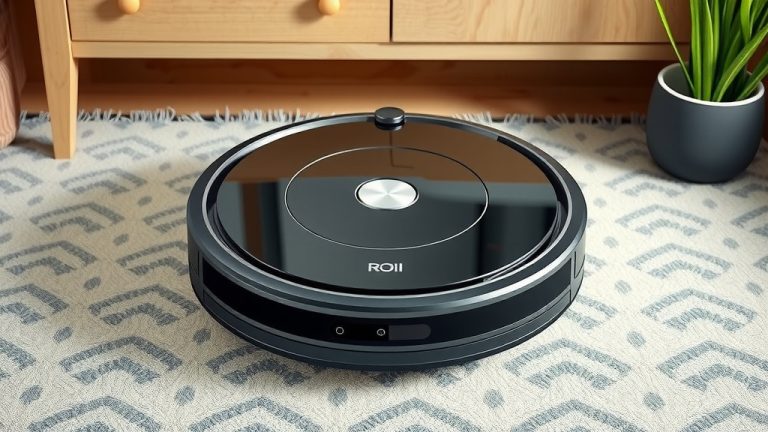
Robot Vacuums: How Well Do They Really Clean
Yes, robot vacuums generally work well for everyday cleaning. They are great at picking up dust, pet hair, and small debris from hard floors and low-pile carpets. While they won’t replace deep cleaning, they significantly reduce the frequency of manual vacuuming.
Robot vacuums have advanced greatly, with smart navigation and improved suction power. Many models can now map your home and avoid obstacles effectively. They’re designed for maintenance cleaning, keeping your floors looking tidier between deeper cleans. Think of them as your automated floor assistant.
- Robot vacuums work well for daily dust and pet hair.
- They excel on hard floors and short carpets.
- Smart features improve their cleaning accuracy.
- They help maintain cleanliness between manual vacuums.
Ready to see how these little helpers can fit into your home routine? Let’s break down exactly what robot vacuums can do for you.
How Effectively Do Robot Vacuums Clean Your Home?
Robot vacuums have come a long way, and for many households, they are a genuine game-changer. They excel at maintaining a clean floor daily. Think of them as your diligent little helpers who tackle the routine tasks, so you don’t have to.
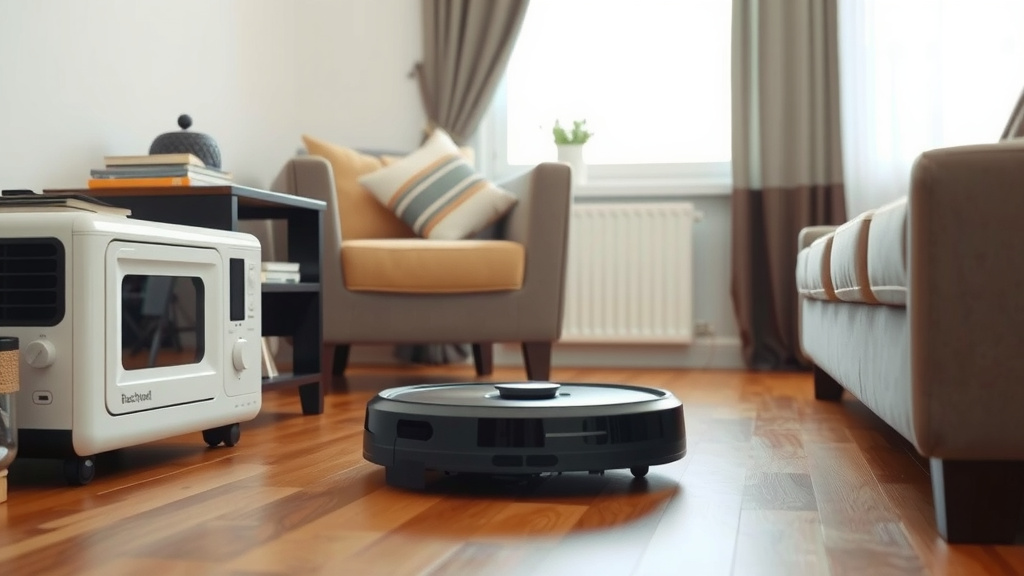
Our research shows they are particularly good at picking up daily dirt, dust, and pet hair. If you have pets that shed, you’ll likely notice a significant difference. They can navigate around furniture and under beds, areas that are often missed during a quick manual clean.
Robot Vacuum Performance on Different Floor Types
The surface you have in your home greatly impacts how well a robot vacuum performs. Generally, they are designed to work best on certain types of flooring.
Hardwood, Tile, and Laminate Floors
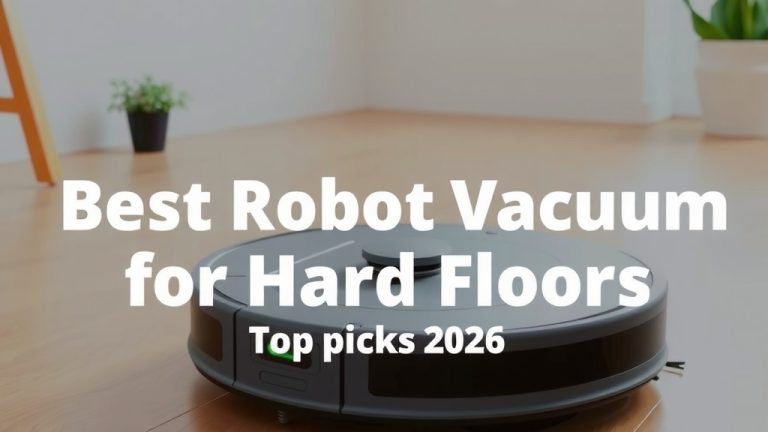
Robot vacuums truly shine on hard surfaces. They can easily sweep up dust bunnies, crumbs, and pet dander that accumulates on hardwood, tile, or laminate. Most models have side brushes that help sweep debris from edges and corners directly into their path. We found that many units leave these floors looking Our guide to budget robot vacuums for hard floors explains which models work best on certain flooring.remarkably clean after just one pass.
Low-Pile Carpets and Rugs
For carpets with a shorter pile, robot vacuums do a good job. They can effectively remove surface-level dirt and pet hair. Some advanced models even automatically increase their suction power when they detect carpet. However, they may struggle with deeper embedded dirt. You’ll likely still need a traditional vacuum for periodic deep carpet cleaning.
High-Pile Carpets and Shag Rugs
Here is where most robot vacuums meet their match. Thick, high-pile carpets and shag rugs can pose a challenge. The brushes can get tangled, and the suction might not reach the base of the fibers. If your home is mostly covered in these types of carpets, a robot vacuum might not be the best primary cleaning solution. They can help with surface debris, but a powerful upright vacuum is usually necessary.
Navigation and Smart Features: What to Expect
The intelligence of a robot vacuum has a lot to do with its cleaning effectiveness. Newer models offer sophisticated navigation systems that make a big difference.
Basic Navigation (Random Bumping)
Older or more budget-friendly models often use a random navigation pattern. They bounce off walls and furniture until they’ve covered the area. While they do eventually clean most of the floor, it’s not the most efficient method. You might find they miss spots or repeatedly clean the same area. It’s like sending a toddler to clean your house – they get there eventually, but it’s a bit chaotic.
Advanced Navigation (Mapping and Sensors)
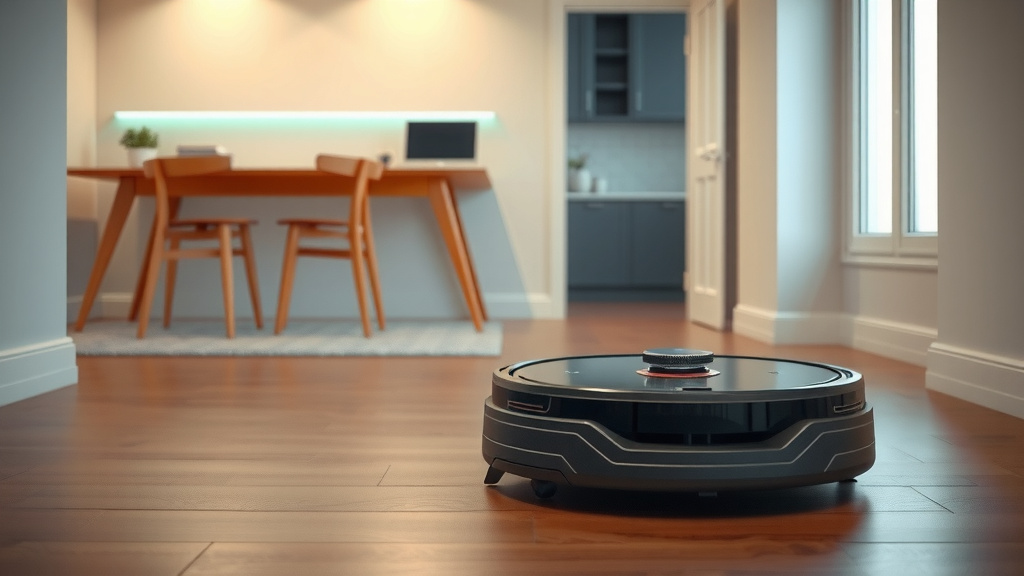
More advanced robots use LiDAR, gyroscopes, and optical sensors to map your home. They create an efficient cleaning path, ensuring they cover every accessible area. These smart vacuums can learn your home’s layout, avoid obstacles like cords and pet messes, and even let you set no-go zones through an app. This intelligent approach means a more thorough and quicker clean.
Obstacle Avoidance Technology
The ability to avoid obstacles is key. We’ve seen incredible improvements in this area. Modern robots can identify and steer clear of things like shoes, toys, and even pet waste. This feature alone saves you from the dreaded “robot vacuum accident” that can spread mess everywhere. This is especially important for pet owners, as many guidelines suggest it for maintaining a cleaner home (American Veterinary Medical Association).
App Control and Scheduling
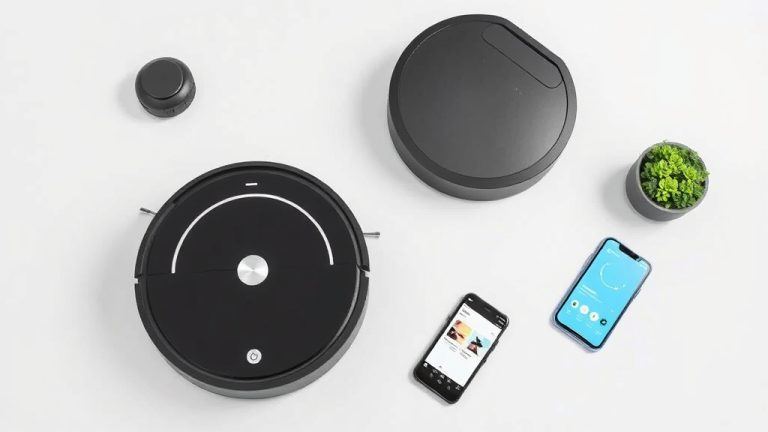
Most smart robot vacuums come with companion apps. These apps allow you to start, stop, and schedule cleanings remotely. You can monitor cleaning progress and view the map of your home. Setting a schedule means your floors can be cleaned while you’re at work or asleep, ensuring you always come home to a tidier living space.
What Robot Vacuums Are Best At (and Not So Much)
It’s important to have realistic expectations. Robot vacuums are fantastic for maintenance, but they aren’t miracle workers.
Strengths of Robot Vacuums
- Daily Debris: Excellent at picking up crumbs, dust, and light dirt.
- Pet Hair: Very effective at managing shedding pet hair on floors.
- Convenience: Automates a chore, saving you time and effort.
- Under Furniture: Reaches difficult spots like under beds and sofas.
- Scheduled Cleaning: Keeps floors consistently cleaner with regular runs.
Limitations of Robot Vacuums
- Deep Cleaning: They generally don’t replace a deep clean for carpets.
- Stairs: They cannot clean stairs.
- Large Debris: Struggle with larger items like spilled cereal or clumps of dirt.
- Corners and Edges: May not always get into tight corners perfectly.
- Clutter: Can get stuck if floors are heavily cluttered.
Making the Most of Your Robot Vacuum: A Quick Checklist
To ensure your robot vacuum performs as well as possible, follow these simple tips:
- Prepare your space by picking up small items and cords.
- Empty the dustbin regularly to maintain suction power.
- Keep the sensors clean for better navigation.
- Schedule cleanings for consistent results.
- Consider your floor types before purchasing.
- Know when a manual vacuum is still needed.
| Floor Type | Effectiveness Rating | Notes |
|---|---|---|
| Hardwood, Tile, Laminate | Excellent | Ideal for daily maintenance. |
| Low-Pile Carpet | Good | Effective for surface dirt and pet hair. |
| Medium-Pile Carpet | Fair | Can handle light surface debris. |
| High-Pile Carpet/Shag | Poor | Often gets tangled; deep cleaning required. |
Conclusion
So, do robot vacuums work well? For everyday upkeep on hard floors and low-pile carpets, the answer is a resounding yes. They are your ally against daily dust and pet hair. While they won’t replace your deep cleaning sessions, especially on thick carpets, their convenience is unmatched. Smart navigation makes them more effective than ever at maintaining a tidy home. To get the most out of your robot vacuum, remember to prep your space and schedule regular cleanings. Consider your home’s flooring and clutter levels to set realistic expectations for this helpful automated assistant.
Frequently Asked Questions
Will a robot vacuum clean my entire house?
Robot vacuums are excellent for maintenance cleaning in most areas. They excel on hard floors and low-pile carpets. However, they typically cannot clean stairs or get into very tight corners perfectly. You’ll still need a traditional vacuum for thorough deep cleans, especially on high-pile carpets.
Can robot vacuums handle pet hair effectively?
Yes, most robot vacuums are very effective at picking up daily pet hair from floors. Their continuous cleaning helps prevent hair from building up. Models with specialized pet hair tools and strong suction perform best. Just be sure to empty the dustbin frequently, as pet hair can fill it up quickly.
How do I stop my robot vacuum from getting stuck?
The best way to prevent your robot vacuum from getting stuck is to prepare the area before it cleans. Pick up small items, loose cords, and things like shoelaces. Advanced models with good obstacle avoidance can handle some of these, but a clear floor ensures a smoother cleaning run and fewer interruptions.
Do I still need a regular vacuum if I have a robot vacuum?
Generally, yes. A robot vacuum is fantastic for daily or frequent maintenance cleaning. It keeps dust and debris under control between deeper cleans. For high-pile carpets, stairs, or cleaning up larger messes, a traditional upright or canister vacuum is still necessary.
Are robot vacuums noisy?
Robot vacuums vary in noise level, but most are quieter than traditional vacuums. Many are designed to operate at a noise level that allows you to be home and comfortable while they clean. You can often schedule them to run when you’re out or sleeping for minimal disruption.