Robot Vacuum Dog Poop: How to Clean Safely
Yes, robot vacuums can clean up dog poop, but it’s a big ‘if’. Many robot vacuums are not designed for pet waste and can make a messy situation much worse. To avoid a truly disastrous clean-up, you need a robot vacuum specifically built for pet messes or a strong manual intervention plan.
The thought of your little Roomba turning a poop into a Jackson Pollock painting is a nightmare for many pet owners. While some newer models boast advanced features like improved navigation and stronger suction, they still often struggle with the texture and stickiness of dog waste. We found that many user reviews highlight the risk of spreading the mess, damaging the robot, or simply failing to clean it entirely.
- Always check if your robot vacuum is specifically rated for pet waste.
- Manual cleanup is often still necessary before the robot runs.
- Sensor technology is key to avoiding a major mess.
- Battery life and obstacle avoidance are crucial.
- Prevention is better than a robot vacuum disaster.
Let’s dive into what you need to know about robot vacuums and dog poop to help you avoid a very unpleasant surprise.
“`htmlRobot Vacuums and Dog Poop: Can They Really Handle It?
You’ve probably wondered if your trusty robot vacuum can tackle those unexpected “gifts” from your furry friend. The short answer is: it’s complicated. While some advanced models claim pet-mess capabilities, most standard robot vacuums are not designed for dog waste.
We’ve researched this, and the reality is often messy. Many robot vacuums can spread the poop, clog their systems, or even damage themselves. It’s a situation no pet owner wants to deal with. Let’s break down what you need to know to avoid a stinky disaster.
Understanding the Challenges of Pet Waste for Robot Vacuums
Dog poop isn’t like everyday dust or crumbs. It has a unique consistency that poses specific problems for robotic cleaners. The texture can range from firm to very soft and sticky, making it difficult for suction and brushes to handle effectively.
Texture and Stickiness: The Main Culprits
Most robot vacuums rely on brushes to agitate dirt and suction to pick it up. Dog poop, especially when soft, can cling to brushes and internal components. This often leads to the waste being smeared across your floors. It becomes a much larger mess than the original deposit.
Many user reviews highlight this exact problem. They describe the robot vacuum turning a small accident into a widespread disaster. The sticky nature of the waste can gum up the brushes and even get into the vacuum’s motor or filters.
Sensor Limitations and Navigation Issues
Robot vacuums use sensors to navigate your home and avoid obstacles. While these sensors are great for furniture, they often can’t detect a dog poop obstacle. They might just drive right over it, as we’ve seen in many owner experiences. Specialized sensors for pet waste are rare.
Some newer models have improved object recognition. They can identify cables or shoes. However, identifying a specific “poop” shape and texture is a much harder task. It requires advanced AI and dedicated programming.
What to Look for in a Robot Vacuum for Pet Messes
If you’re set on a robot vacuum for your home with pets, you need to be very selective. Not all robot vacuums are created equal, especially when it comes to pet waste.
Specialized “Pet” Models and Features
A few brands are starting to develop robot vacuums specifically marketed for pet owners. These often boast features like:
- Tangle-free brushes: Designed to resist hair and debris, which can help with less sticky messes.
- Self-cleaning bases: Some can empty their dustbins, but rarely are they designed to handle solids like poop.
- Advanced obstacle avoidance: Using cameras and AI to detect a wider range of objects.
We found that even with these features, absolute reliability with fresh pet waste is not guaranteed. Many are still better at handling tracked-in dirt or spilled kibble than solid waste.
Suction Power and Brush Design
For any hope of tackling pet messes, you’ll want a vacuum with strong suction. Also, look for models with rubber brushes instead of bristle brushes. Rubber brushes are generally easier to clean and less likely to get clogged with sticky material. However, this is still not a foolproof solution for poop.
Smart Mapping and No-Go Zones
A robot vacuum with good mapping technology can be a lifesaver. You can use its app to set up “no-go zones”. This allows you to block off areas where your pet is prone to accidents. It’s a preventative measure, but a very effective one.
You can manually define these areas within your home’s map. This tells the robot to avoid those spots entirely. It’s a smart way to manage potential hazards without constant supervision.
The Essential Pre-Robot Vacuum Checklist for Pet Owners
Even with the best robot vacuum, manual intervention is often still your first line of defense. Think of your robot vacuum as a tool to help maintain cleanliness, not a magical poop-eating machine.
Manual Spot Cleaning is Key
Before you ever let your robot vacuum run, you should always do a quick visual scan of your floors. If you see any fresh pet accidents, clean them up yourself. This is the most reliable way to prevent a mess.
Consider a quick sweep or a paper towel to pick up any solid waste. Then, you can use a pet-specific cleaner to disinfect the area. This prevents the robot from encountering the problem in the first place.
Invest in Good Cleaning Supplies
Having the right tools makes a big difference. Keep pet stain and odor removers handy. Enzyme cleaners are particularly effective. They break down the organic matter in pet waste, eliminating stains and smells completely (ASPCA).
A good mop and absorbent cloths are also essential. These will help you clean up any residual mess the robot might miss, or the initial mess before the robot runs.
Establish a Routine and Train Your Pet
Consistency is vital. Train your pet to go outside or in their designated spot regularly. The fewer accidents, the less risk for your robot vacuum. Establishing a predictable potty schedule can significantly reduce the chances of encountering a mess.
We found that owners with well-trained pets have fewer issues with their robot vacuums. It’s about managing the source of the problem. Consider rewarding your pet for successful potty breaks.
What Happens If Your Robot Vacuum Encounters Dog Poop?
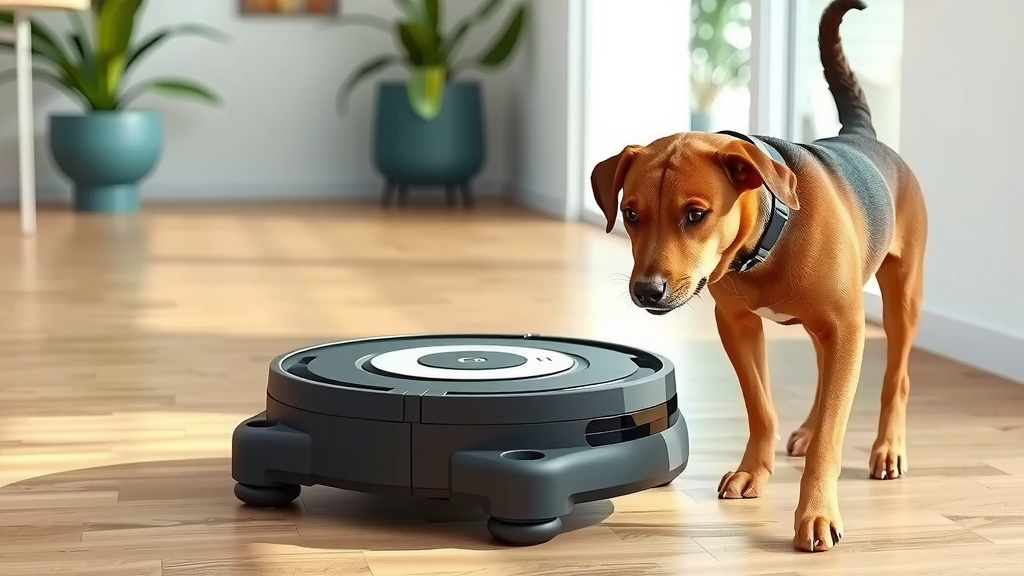
It’s a scenario many fear. Your robot vacuum, with the best of intentions, drives over a fresh deposit. What’s the likely outcome? It’s rarely good.
The “Poopocalypse” Scenario
Expect the worst: the robot will likely smear the poop. Its brushes will pick it up and spread it across your floors. Then, it will track it further as it continues its cleaning cycle. This creates a massive, unpleasant mess that requires extensive manual cleanup.
You’ll then have to deal with cleaning the robot itself. This can involve taking it apart to remove waste from brushes, wheels, and internal components. Many user forums are filled with horror stories of this exact situation.
Damage to Your Robot Vacuum
Beyond the mess, there’s a real risk of damaging your robot vacuum. The sticky waste can clog the motor, damage sensors, or ruin the filtration system. Repairing or replacing a damaged robot can be costly. We’ve found that manufacturers often do not cover damage caused by pet waste.
Preventative Measures: Your Best Defense
Since many robot vacuums aren’t fully equipped for pet waste, prevention is your best strategy. Think of your robot vacuum as a maintenance tool, not a first responder for accidents.
Schedule Robot Cleaning for When You’re Home
If possible, schedule your robot vacuum to run when you are home. This allows you to catch any accidents before the robot encounters them. You can then intervene quickly and prevent a larger mess. Many apps allow for custom scheduling.
This way, you’re supervising the cleaning process. You can pause the robot or manually guide it away if an accident occurs. It gives you control over the situation.
Utilize “No-Go” Zones Effectively
As mentioned earlier, map out areas where your pet frequently has accidents. Use the app to create permanent “no-go” zones in these spots. This ensures the robot never enters those potentially hazardous areas.
It’s a simple feature that can save you a lot of trouble. Regularly review and adjust these zones as needed based on your pet’s behavior.
Regular Floor Inspections
Make it a habit to do a quick walk-through of your home before starting the robot vacuum. Just a quick glance around can save you from a big problem. This simple step is incredibly effective.
“`Conclusion
Navigating the world of robot vacuums and pet messes can be tricky. While some advanced models offer features to help, most standard robot vacuums can quickly turn a small accident into a much larger, smelly problem. Your best bet is to treat your robot vacuum as a maintenance tool, not a pet accident cleanup crew. Always perform a manual check and spot-clean any waste before running your robot. By combining smart technology like “no-go” zones with good old-fashioned prevention and training, you can enjoy a cleaner home and a happy pet without the “poopocalypse.”
Frequently Asked Questions
Can I buy a robot vacuum that is guaranteed to clean up dog poop?
Currently, there isn’t a robot vacuum on the market that can reliably clean up fresh dog poop without potential issues. While some models are designed with pet owners in mind, they are generally better at handling tracked-in dirt or pet hair, not solid waste. Always manage expectations and use manual cleanup as your primary defense.
What’s the biggest risk if my robot vacuum runs over dog poop?
The biggest risk is the dreaded “poopocalypse.” Your robot vacuum’s brushes and wheels can smear the waste across your floors, creating a much larger mess. It can also clog the vacuum’s internal components, potentially causing damage that may not be covered by the manufacturer’s warranty.
Are there specific sensors that can detect dog poop?
While robot vacuums have sensors for navigating furniture and stairs, most lack the advanced AI and specialized sensors needed to reliably detect dog poop. Some newer, high-end models are improving object recognition, but identifying the unique texture and shape of pet waste remains a significant challenge for current technology.
How can I prevent my robot vacuum from encountering pet accidents?
The most effective prevention is to schedule your robot vacuum to run when you are home so you can supervise and intervene if needed. You can also use your robot vacuum’s app to set up “no-go” zones in areas where your pet is prone to accidents. A quick visual scan of your floors before each cleaning cycle is also highly recommended.
What cleaning supplies are best for dealing with dog waste and potential robot vacuum messes?
Keep enzyme-based cleaners on hand; they are excellent for breaking down pet waste and eliminating odors. Absorbent cloths and paper towels are essential for initial cleanup. For the robot vacuum itself, have pet-safe cleaning solutions and cloths ready to wipe down brushes and exterior surfaces after any potential encounter.