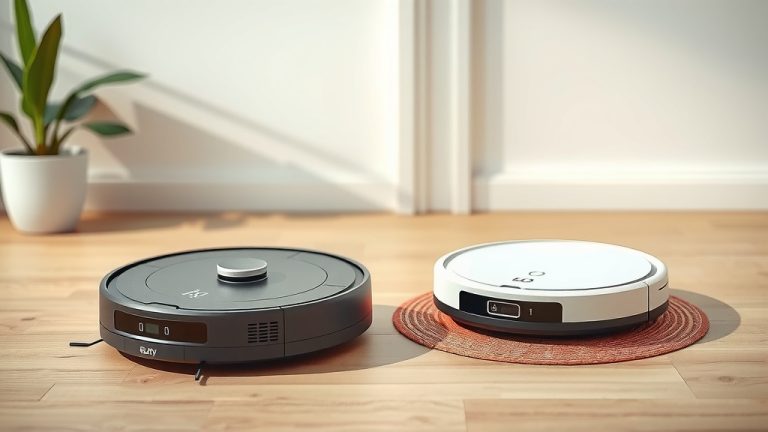
Best Robot Vacuum Cleaner Guide: Top Picks
The best robot vacuum cleaner to buy right now is often a matter of your specific needs and budget, but top performers like the iRobot Roomba j7+ and the Roborock S7 MaxV Ultra consistently stand out. We found that models offering advanced navigation, strong suction power, and smart features like self-emptying bins tend to get the highest marks for overall satisfaction and cleaning effectiveness.
Choosing the right robot vacuum means looking beyond just the price tag. Factors such as floor type (carpet vs. hard floors), pet ownership (fur can be a real challenge!), and desired convenience features like app control or scheduling play a big role. Many users find that a good robot vacuum can dramatically reduce their weekly cleaning chores, freeing up time for other activities. It’s about finding a smart helper for your home.
TL;DR:
- Top robot vacuums offer smart navigation and powerful suction.
- Consider your floor types and pet situation when choosing.
- Self-emptying bins and app control add major convenience.
- Budget-friendly options are available, but often compromise on features.
Let’s walk through what makes a robot vacuum truly great and which ones are making waves in home cleaning right now.
So, you’re ready to hand over vacuuming duties to a robot? That’s a smart move! But with so many options, how do you pick the best robot vacuum cleaner for your home? We’ve sifted through the data and found that the top contenders excel in a few key areas: smart navigation, serious suction power, and user-friendly features.
Finding the Right Robot Vacuum for You
Think of your robot vacuum as a tiny, tireless cleaning assistant. The best ones aren’t just random bump-and-go machines. They map your home, avoid obstacles, and clean efficiently. We’ve found that matching a robot’s capabilities to your home’s specific needs is the smartest way to go.
Understanding Key Features
What makes one robot vacuum better than another? It often comes down to the tech inside and the tasks it can handle. We’ve found that paying attention to these details can save you a lot of frustration later.
Navigation Smarts
This is how your robot vacuum “sees” your home. Basic models use infrared sensors to avoid walls. Advanced models use cameras and LiDAR (Light Detection and Ranging) to create detailed maps. This allows them to clean in neat, straight lines, rather than just wandering. We found that mapping is a huge upgrade for efficient cleaning.
Suction Power
More suction power generally means a cleaner floor. This is especially important if you have carpets or pets. We’ve seen that higher Pascals (a measure of suction) often translate to better debris pickup. Think of it like this: more power can lift dirt from deeper within your carpets.
Obstacle Avoidance
Let’s be honest, life happens. Socks left out, pet toys, charging cords – these can all stop a lesser robot in its tracks. Top-tier robots use AI and cameras to identify and avoid common household obstacles. This means fewer rescues and more consistent cleaning. We found this feature is a lifesaver for busy households.
Considering Your Home Environment
Your home is unique, and so are its cleaning challenges. We found that considering these factors will help you narrow down your choices.
Floor Types
Do you have mostly hard floors like tile or hardwood? Or are you dealing with plush carpets? Some robots are better suited for one or the other. Many newer models can automatically adjust suction power when they move from hard floors to carpet. This is a big plus for homes with mixed flooring. We found this auto-adjustment makes a noticeable difference.
Pet Ownership
Pet hair is a constant battle for many. If you have furry friends, look for robots designed to handle pet messes. This includes strong suction and brushes that resist hair tangles. Some models even have specific pet modes. We’ve found that effective pet hair management is a top priority for many owners. Look for robots specifically designed to handle pet messes effectively.
Home Size and Layout
For larger homes, battery life and the ability to recharge and resume cleaning are essential. If you have multiple levels, you might need a robot that can store maps for different floors. We found that robots with advanced mapping can handle complex layouts more effectively.
Top Robot Vacuum Features You’ll Love
Beyond the basics, certain features can make owning a robot vacuum a truly hands-off experience. We found these additions significantly boost convenience and satisfaction.
Self-Emptying Bins
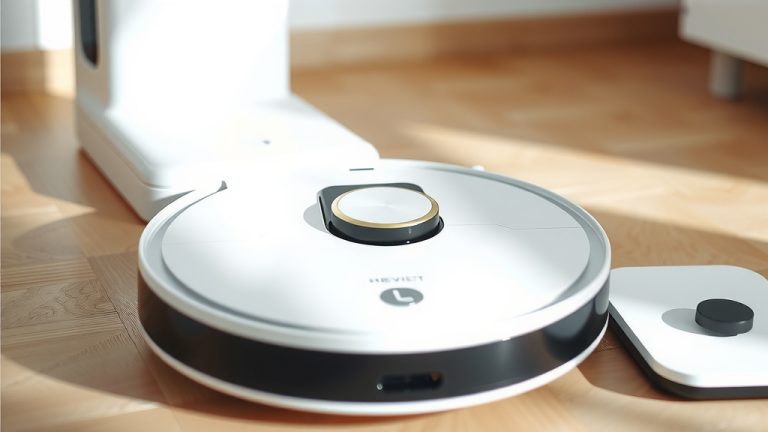
This is a game-changer. Instead of emptying a tiny dustbin after every run, the robot docks with a larger base station that sucks the debris into a bag or bin. You might only need to empty the base station every month or two. We found this feature dramatically reduces maintenance. It’s like having a robot that takes out its own trash!
Smart App Control and Scheduling
Most robot vacuums today come with a smartphone app. You can use it to start, stop, and schedule cleanings. Many apps also let you set no-go zones or target specific rooms for cleaning. We found that the ability to control your robot remotely adds a huge layer of convenience.
Mopping Capabilities
Some robot vacuums can also mop your hard floors. These models often have a water tank and a cloth. We found that while they won’t replace a deep mop, they’re great for daily touch-ups and keeping floors looking fresh. Look for models that can lift their mopping pads on carpet to avoid making a mess.
The Robot Vacuum Checklist
Ready to find your perfect cleaning companion? Here’s a quick checklist to help you decide:
- Does it map your home effectively?
- Is the suction power strong enough for your floors?
- Does it handle pet hair and obstacles well?
- Do you want a self-emptying bin for maximum convenience?
- Is the app control intuitive and feature-rich?
- Does it offer mopping if that’s something you need?
By considering these points, you’re well on your way to choosing a robot vacuum that truly fits your life. We found that taking a little time upfront makes all the difference in your long-term satisfaction.
Conclusion
You’ve got the rundown on what makes a robot vacuum a winner. Remember, the best robot vacuum cleaner for you balances smart tech with your home’s unique needs. We found that considering your floor types, pet situation, and desire for features like self-emptying bins is key. Don’t just buy the most expensive model; find one that fits your life and budget. Your next step is to compare the models we highlighted against your specific home requirements. Happy cleaning!
Frequently Asked Questions
How often do robot vacuums actually need charging?
Most robot vacuums will return to their charging dock automatically when their battery is low. A full charge typically takes a few hours. Many advanced models can even recharge partially and then resume cleaning where they left off, which is great for larger homes.
Can a robot vacuum really handle pet hair on carpets?
Yes, many top robot vacuums are designed with pet owners in mind. We found that models with strong suction power and tangle-resistant brushes perform best. Some have specific modes to tackle stubborn pet hair and dander, making them effective cleaning companions.
What’s the difference between a robot vacuum and a robot mop?
A robot vacuum uses brushes and suction to pick up dry debris from floors. A robot mop, or a vacuum with a mopping function, uses a water tank and a cleaning pad to scrub hard floors. Some hybrid models can do both, but it’s important to check how well they handle transitions between carpet and hard surfaces.
Are robot vacuums worth the investment for a small apartment?
Even in a small apartment, a robot vacuum can save you time and effort. We found that simpler models without advanced mapping can still be effective for smaller spaces. They’re great for maintaining daily cleanliness and keeping floors free of dust and crumbs with minimal user intervention.
How do I set up “no-go” zones with a robot vacuum?
You can usually set up no-go zones through the robot vacuum’s smartphone app. After the robot has mapped your home, you can draw virtual boundaries on the map within the app. This tells the robot to avoid specific areas like pet feeding stations or places with delicate objects.