Best Self Cleaning Robot Vacuum: Top Picks Reviewed
The best self cleaning robot vacuum for your home depends on your specific needs, but models with auto-empty docks and mop washing stations offer the most hands-off experience. These advanced vacuums minimize manual emptying and cleaning for you. You get more time back to enjoy your life. Finding the right one means looking at suction power and smart features.
Cleaning your floors can feel like a never-ending chore. A self-cleaning robot vacuum is designed to take on that burden. Many models now come with innovative docking stations that handle debris disposal and even wash the mop pads. This means less work for you. You can truly set it and forget it for longer periods.
- Self-cleaning robot vacuums automate floor cleaning.
- Look for models with auto-empty docks for debris.
- Consider vacuums with mop washing stations for mopping robots.
- Key features include strong suction and smart navigation.
- The best model fits your budget and home layout.
Let’s dive into what makes a self-cleaning robot vacuum truly stand out and how to choose the perfect one for your household.
Finding Your Ideal Self-Emptying Robot Vacuum
So, you’re tired of the daily floor battle. You want a robot vacuum that does more than just clean; you want one that handles its own mess. The best self-cleaning robot vacuums are designed to do just that. They feature special docking stations that automatically empty the dustbin after each cleaning cycle. This is a huge step up from traditional robot vacuums.
Think about it: you can truly set it and forget it for days, sometimes even weeks. No more needing to empty the tiny dustbin after every single run. This is especially helpful for busy households or anyone with allergies. It means less dust disturbed and a cleaner home with minimal effort on your part. We’ve researched many models to bring you this guide.
How These Vacuums Keep Themselves Clean
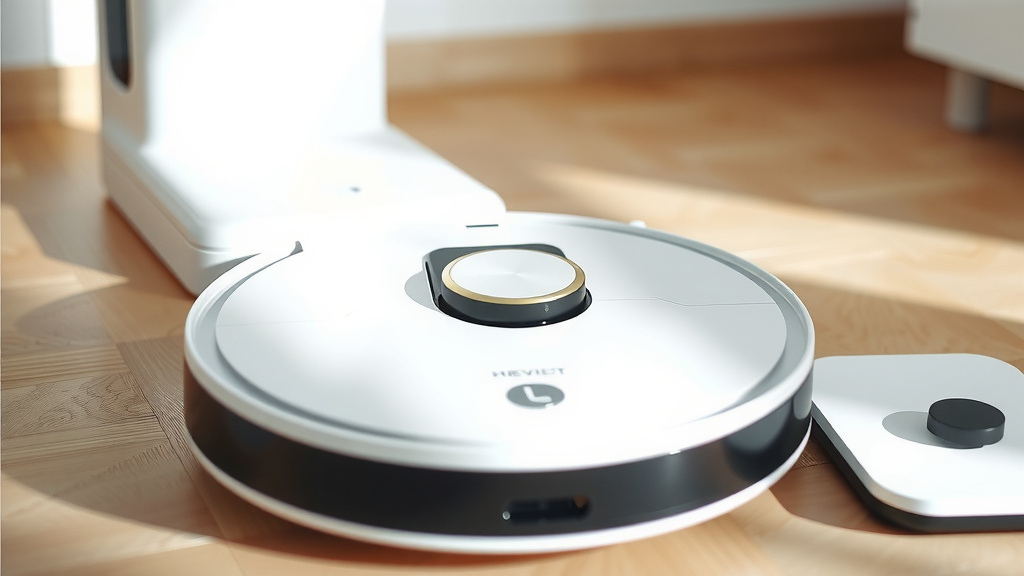
The magic behind a self-cleaning robot vacuum is its docking station. Most commonly, this station acts as a larger trash can for the robot. When the robot finishes its cleaning job, it returns to the dock. A powerful suction system in the dock then pulls the debris from the robot’s smaller bin into the station’s larger bag or container. This process usually takes about 10-20 seconds.
For robot mops, the self-cleaning aspect goes a step further. Many advanced models have docking stations that not only empty debris but also wash and dry the mop pads. This prevents odors and ensures your mop is ready for the next use. It’s like having a tiny housekeeper for your robot!
Understanding Auto-Empty Docks
An auto-empty dock is the core feature of most self-cleaning robot vacuums. These docks come with larger dust bags or bins that can hold weeks’ worth of dirt. When the robot docks, it connects to ports that suck out the contents of its internal dustbin. You’ll only need to replace the bag or empty the larger bin when the dock indicates it’s full, which might be every 30 to 60 days.
The capacity of the dock’s bin is a key factor. If you have pets or a larger home, you’ll want a dock with a substantial capacity. Some manufacturers provide different sizes of dust bags, so you can choose what works best for your cleaning frequency. This system is fantastic for reducing your direct interaction with dust and allergens.
The Convenience of Mop Washing Stations
If you’re looking for a robot that mops too, a self-cleaning mop station is a real game-changer. After the robot mops your floors, it returns to the dock. Here, the dirty mop pads are automatically washed with clean water and detergent. Then, they are dried using hot air to prevent mildew and smells. This means your robot is always ready with a clean mop for its next assignment.
This feature is a huge improvement over robots that require manual pad washing. It truly frees you from the most tedious part of mopping. Many users report that this makes them more likely to use their mopping robot regularly. It keeps your floors consistently cleaner with zero extra effort from you.
Key Features to Consider When Buying
Beyond the self-cleaning capabilities, several other features are important for a great robot vacuum experience. You’ll want to consider suction power, navigation technology, and app control. These aspects directly impact how effectively the robot cleans your home.
Think of suction power like the “oomph” your vacuum has. Stronger suction means it can pick up more dirt, dust, and pet hair from carpets and hard floors. Navigation helps the robot move around your home efficiently, avoiding obstacles and ensuring it covers every area. Smart app controls let you customize cleaning schedules and zones.
Suction Power Matters
Suction power is often measured in Pascals (Pa). For basic cleaning, around 1500-2000 Pa might suffice. However, for homes with carpets or pets, you’ll want to look for models with 3000 Pa or higher. Some top-tier models boast suction powers of 5000 Pa or even more. Higher suction power is especially beneficial for lifting dirt embedded deep within carpet fibers.
We found that robots with adjustable suction levels are often the most versatile. They can ramp up the power on carpets and decrease it on hard floors to save battery life. This thoughtful approach to cleaning helps maximize efficiency and effectiveness.
Smart Navigation and Mapping
How your robot vacuum moves around your home is crucial. Smart navigation systems, like LiDAR or vSLAM, use lasers or cameras to map your home. This allows the robot to clean in efficient, straight lines rather than bumping around randomly. A good map means better coverage and faster cleaning times.
With advanced mapping, you can often set virtual no-go zones or clean specific rooms. For example, you might want to avoid the pet food area or only clean the kitchen on certain days. This level of control gives you peace of mind and ensures the robot cleans where you want it to.
App Control and Customization
Most self-cleaning robot vacuums come with companion mobile apps. These apps are your command center for the robot. You can typically start or stop cleaning, set schedules, view cleaning history, and adjust settings like suction power or water flow for mopping. A user-friendly app makes managing your robot much easier.
Look for apps that offer features like multi-floor mapping if you have more than one level in your home. The ability to name rooms and send the robot to clean a specific area on command is also incredibly convenient. Some apps even offer voice control integration with smart assistants like Alexa or Google Assistant.
Budgeting for a Self-Cleaning Robot Vacuum
The price of self-cleaning robot vacuums can vary widely. Basic models with just auto-empty docks can range from $300 to $600. Robots that also include mop washing and drying stations, along with advanced navigation, can cost anywhere from $700 to $1,500 or more.
Consider the long-term costs as well. You’ll need to purchase replacement dust bags for the auto-empty dock and potentially replacement mop pads or cleaning solutions. We recommend balancing the initial investment with the features that will genuinely make your life easier. For many, the convenience of a truly hands-off cleaning experience is well worth the extra cost.
Making the Right Choice for Your Home
Choosing the best self-cleaning robot vacuum involves matching its capabilities to your specific home and needs. Do you have pets? Lots of carpet? Or mostly hard floors? These questions will guide your decision.
For pet owners, strong suction and good filtration are non-negotiable. If you have multiple levels, ensure the robot supports multi-floor mapping. And if mopping is a priority, don’t compromise on a model with a robust mop washing system.
Quick Checklist Before You Buy
- Does it have an auto-empty dock for debris?
- If it mops, does it have a mop washing and drying station?
- Is the suction power adequate for your floor types (look for 3000 Pa+ for carpets/pets)?
- Does it use smart navigation (LiDAR or vSLAM) for efficient cleaning?
- Is the companion mobile app user-friendly and feature-rich?
- Does the dustbin capacity (robot and dock) suit your home size and pet situation?
Conclusion
You’ve learned that the best self-cleaning robot vacuum transforms your cleaning routine. It’s all about finding the right balance of auto-empty docks, mop washing stations, and strong suction power for your specific needs. These features dramatically reduce manual upkeep, freeing up your time. Don’t forget to consider smart navigation and app control for an efficient and customized cleaning experience. Your next step? Use the checklist and your home’s unique demands to make an informed purchase and enjoy cleaner floors with minimal effort.
Frequently Asked Questions
How often do I need to empty the self-cleaning robot vacuum’s dock?
You’ll be happy to know that the auto-empty dock usually holds several weeks’ worth of debris. For most households, this means emptying the larger bin or replacing the bag every 30 to 60 days. It really depends on your home size and whether you have pets.
Can a self-cleaning robot vacuum handle pet hair effectively?
Yes, many self-cleaning models are designed with pet owners in mind. Look for strong suction power (3000 Pa or higher is ideal) and features like tangle-free brushes. The auto-empty dock is also a lifesaver for collecting pet hair without you having to constantly empty the robot’s small bin.
Do I really need a mop washing station if I have a robot that mops?
A mop washing station makes mopping robots far more convenient and hygienic. It automatically washes and dries your mop pads, preventing odors and ensuring a clean mop for every use. If you want a truly hands-off mopping experience, this feature is highly recommended.
Are self-cleaning robot vacuums noisy when they empty themselves?
The emptying process can be louder than the vacuum’s normal operation, but it’s usually brief, lasting only about 10-20 seconds. Manufacturers have made efforts to reduce noise levels over time. It’s generally a quick burst of sound that’s much less intrusive than manual vacuuming.
What happens if the self-cleaning robot vacuum gets stuck or needs help?
Most smart robot vacuums will notify you via the app if they get stuck or encounter an issue. They are designed to navigate around most common obstacles. If a problem arises, the app usually provides troubleshooting tips or allows you to remotely guide the robot out of its predicament.