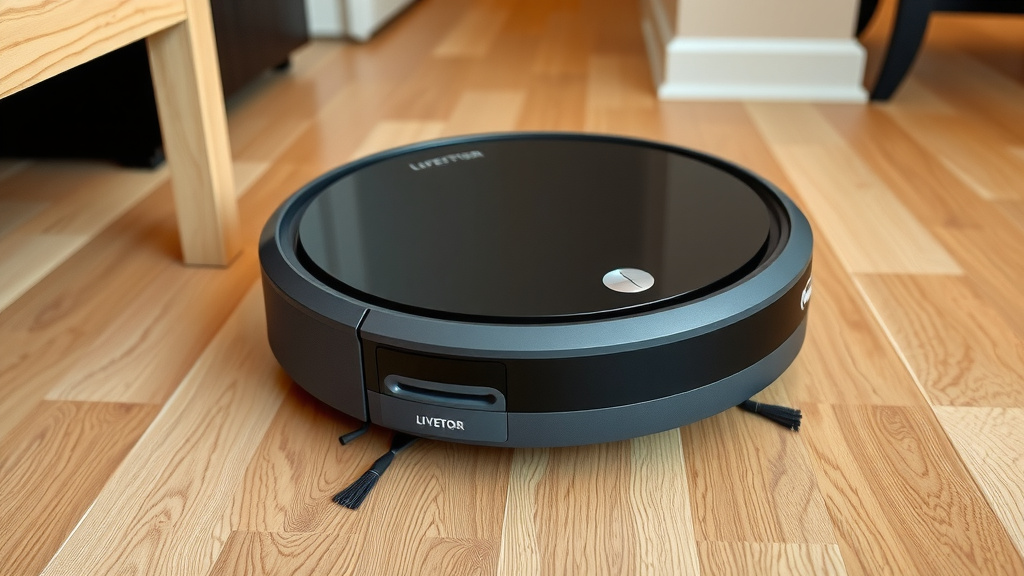
Best Robot Vacuum for Hardwood Floors: Top Picks
The best robot vacuum for hardwood floors often comes down to models with strong suction and soft brushes. We found that vacuums like the iRobot Roomba s9+ are highly effective at picking up fine dust and debris without scratching your floors. If you’re looking for powerful suction and smart navigation, these top-rated models are a fantastic place to start your search for a cleaner home.
Hardwood floors show every speck of dust and pet hair. That’s why choosing a robot vacuum designed for hard surfaces is so important. We’ve researched many options, and models with specialized no-tangle brushes and excellent edge cleaning tend to perform the best. You want a machine that captures dirt effectively while being gentle on your beautiful wood.
- Look for strong suction power.
- Choose models with soft brush rolls.
- Consider smart navigation features.
- Check for good edge and corner cleaning.
- Don’t forget dustbin capacity for less frequent emptying.
Let’s dive into the specifics and help you find the perfect robot vacuum to keep your hardwood floors gleaming. We’ll break down what features matter most.
Choosing the Right Robot Vacuum for Your Hardwood Floors
Finding the perfect robot vacuum for your hardwood floors can seem like a big task. You want something that cleans well without scratching your beautiful wood. We’ve researched many models to help you find the best fit for your home. The key is to look for features that work best on hard surfaces.
Essential Features for Hardwood Floor Cleaning
Suction Power: The Undisputed Champion
When it comes to hardwood floors, suction power is king. Unlike carpets, hardwood doesn’t trap dirt as deeply. This means a powerful vacuum can easily lift dust, pet hair, and crumbs right off the surface. We found that models with at least 1500 Pa (Pascals) of suction are generally excellent for hardwood. Some high-end models offer even more, which can be beneficial for quick cleanups.
Brush Roll Design: Gentle Yet Effective
The type of brush roll your robot vacuum has is vital. For hardwood, you want a soft brush roll. These are often made of rubber or a softer bristle material. They are designed to sweep debris into the vacuum’s path without scattering it or scratching your floors. Some vacuums use a combination of rubber brushes, which are fantastic for preventing hair tangles. Avoid vacuums with stiff, bristle-heavy brushes, as they can be too harsh.
Navigation and Mapping: Smarter Cleaning
Robot vacuums have come a long way in navigation. Many now use advanced sensors and cameras to map your home. This allows them to clean in organized patterns, ensuring they don’t miss spots. Features like room recognition and the ability to set no-go zones are incredibly useful. You can tell your vacuum to avoid certain areas, like pet feeding stations or delicate rugs.
Edge Cleaning Capabilities: Tackling Tricky Spots
Hardwood floors often have edges and corners where dust likes to gather. A good robot vacuum will have excellent edge-cleaning capabilities. Some models have side brushes that sweep debris away from walls and into the main suction path. Others have a specific “edge cleaning” mode. We found that vacuums that pay special attention to these areas often provide a more thorough clean.
Dustbin Size: Less Frequent Emptying
Hardwood floors can reveal fine dust quickly, meaning your vacuum might fill up faster. A larger dustbin means you can run the vacuum more often without having to stop and empty it constantly. Some advanced models come with self-emptying bases, which are incredibly convenient. This feature is a lifesaver if you have pets or a large home.
Top Features to Consider for Different Needs
For Pet Owners: Battling Fur and Dander
If you share your home with furry friends, you know how much hair they shed. For hardwood floors, you need a robot vacuum that excels at picking up pet hair. Look for models with powerful suction and specialized brush rolls designed to prevent hair from getting tangled. Self-emptying bases are also a huge plus, as pet hair can quickly fill up the dustbin.
For Allergy Sufferers: Capturing Fine Particles
Dust and allergens can easily get kicked up on hardwood floors. If you suffer from allergies, choose a robot vacuum with a high-efficiency particulate air (HEPA) filter. These filters are designed to trap tiny particles, including dust mites, pollen, and pet dander. This helps improve your home’s air quality while cleaning your floors.
Smart Home Integration: Convenience at Your Command
Many modern robot vacuums can integrate with smart home systems like Alexa or Google Assistant. This means you can start, stop, or schedule cleanings with just your voice. App control also allows you to monitor cleaning progress, customize cleaning zones, and adjust settings from anywhere. This level of convenience can make keeping your hardwood floors clean much easier.
Understanding Robot Vacuum Technology for Hardwood
How Suction Power is Measured
You’ll often see suction power measured in Pascals (Pa). Higher Pa ratings mean stronger suction. For hardwood, 1500 Pa is a good starting point. More advanced models may offer 2500 Pa or even higher. This extra power can be helpful for picking up finer dust and debris that might otherwise be missed. We found that a strong, consistent suction is key for a truly clean floor.
The Importance of Soft Brush Rollers
Imagine scrubbing your hardwood with a stiff brush – not ideal, right? Robot vacuums are similar. A soft brush roller is designed to gently sweep dirt and debris into the vacuum’s path. Many are made from rubber or a soft silicone material. These also tend to be better at handling pet hair, reducing the chances of it wrapping around the roller. Many experts recommend these for their gentle effectiveness on hard surfaces.
Advanced Navigation Systems Explained
Robot vacuums use different navigation methods. Basic models might use random patterns, which can be inefficient. Smarter vacuums use VSLAM (Visual Simultaneous Localization and Mapping) or LiDAR (Light Detection and Ranging) to create detailed maps of your home. This allows for systematic cleaning, efficient coverage, and the ability to return to their charging dock easily. This technology ensures your entire floor gets cleaned.
A Quick Look at What Makes a Robot Vacuum Stand Out
When we reviewed different models, a few key differences stood out for hardwood floors:
- Smart Mapping: The ability to create and save floor plans makes cleaning more efficient.
- Targeted Cleaning: Being able to direct the vacuum to specific rooms or areas.
- Obstacle Avoidance: Advanced sensors to prevent bumping into furniture or dropping down stairs.
- Quiet Operation: Some models are much quieter than others, allowing for cleaning anytime.
- Self-Emptying: A feature that significantly reduces the manual effort required.
Your Hardwood Floor Cleaning Checklist
To ensure you pick the best robot vacuum for your hardwood floors, keep these points in mind:
- Prioritize strong suction power (1500 Pa+).
- Look for soft, non-tangling brush rolls.
- Ensure it has smart navigation and mapping.
- Check for good edge and corner cleaning features.
- Consider dustbin capacity or a self-emptying option.
- If you have pets, look for pet hair specialization.
Conclusion
You’re now equipped to find the best robot vacuum for your hardwood floors. Remember to prioritize strong suction and soft brush rolls for an effective, scratch-free clean. Smart navigation and good edge cleaning will ensure thoroughness. If you have pets or allergies, look for specialized features like HEPA filters or tangle-free brushes. Take the checklist we provided and start comparing models. Your gleaming hardwood floors are just a smart purchase away!
Frequently Asked Questions
Will a robot vacuum scratch my hardwood floors?
Generally, no, if you choose the right model. We found that vacuums with soft rubber or silicone brush rolls are designed to be gentle. Avoid models with stiff, abrasive brushes, as these could potentially scratch your floors.
How much suction power do I really need for hardwood?
For effective cleaning on hardwood, we recommend a suction power of at least 1500 Pa. Some higher-end models offer more, which can be great for picking up fine dust and debris quickly and efficiently.
Can robot vacuums handle pet hair on hardwood?
Yes, many robot vacuums are excellent at handling pet hair on hardwood. Look for models with strong suction and brush rolls specifically designed to prevent hair from tangling. A self-emptying base is also a huge advantage for pet owners.
Do I need a HEPA filter on a robot vacuum for hardwood?
A HEPA filter is highly beneficial, especially if you have allergies. It traps tiny particles like dust mites, pollen, and pet dander, improving your home’s air quality. This feature is great for ensuring a truly clean environment beyond just visible debris.
What’s the difference between random and smart navigation for robot vacuums?
Random navigation vacuums clean in unpredictable patterns, potentially missing spots. Smart navigation systems, using lasers or cameras, map your home for efficient, systematic cleaning. This ensures your entire floor is covered without overlap or missed areas.