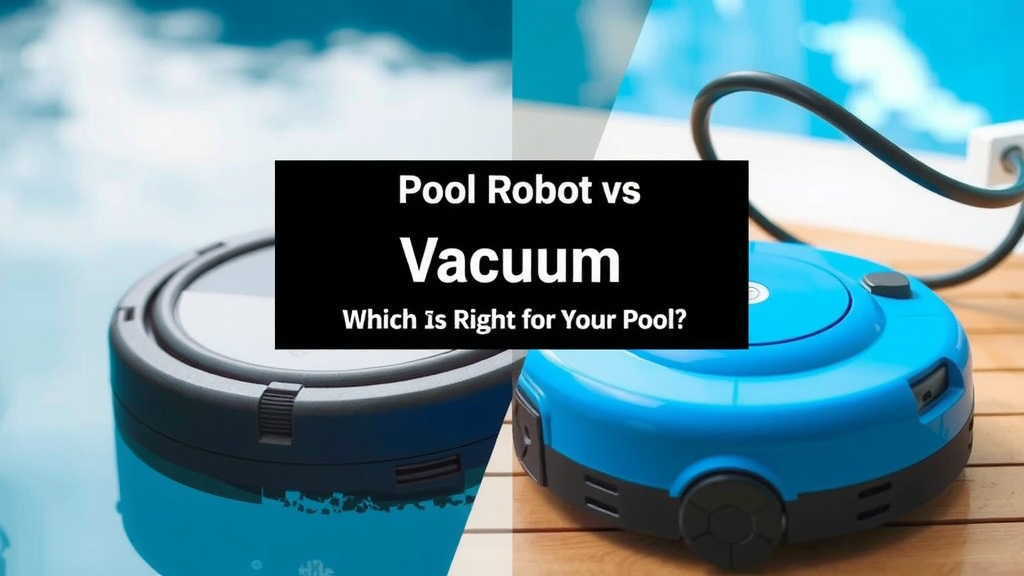
Pool Robot vs Vacuum: Which is Right for Your Pool
When choosing between a pool robot vs. vacuum, a pool robot is generally the better choice for most pool owners. Pool robots offer a more automated, efficient, and thorough cleaning experience compared to traditional pool vacuums. They scrub walls, remove debris, and filter your water with minimal effort from you. We found robots are a great investment for a sparkling clean pool with less hassle.
A pool robot uses its own motor and filtration system. This means it works independently of your pool’s main pump. Traditional vacuums often rely on your pool’s skimmer. This can put extra strain on your pool’s filter. We found that the robot’s self-contained system often leads to cleaner water and less wear on your pool equipment.
- Pool robots clean more thoroughly, scrubbing surfaces.
- Robots filter water independently, reducing strain on your pool pump.
- Traditional vacuums may require more manual effort.
- Consider your pool size and debris type for the best fit.
Let’s dive into the differences and see which cleaner best suits your needs and your pool’s unique situation.
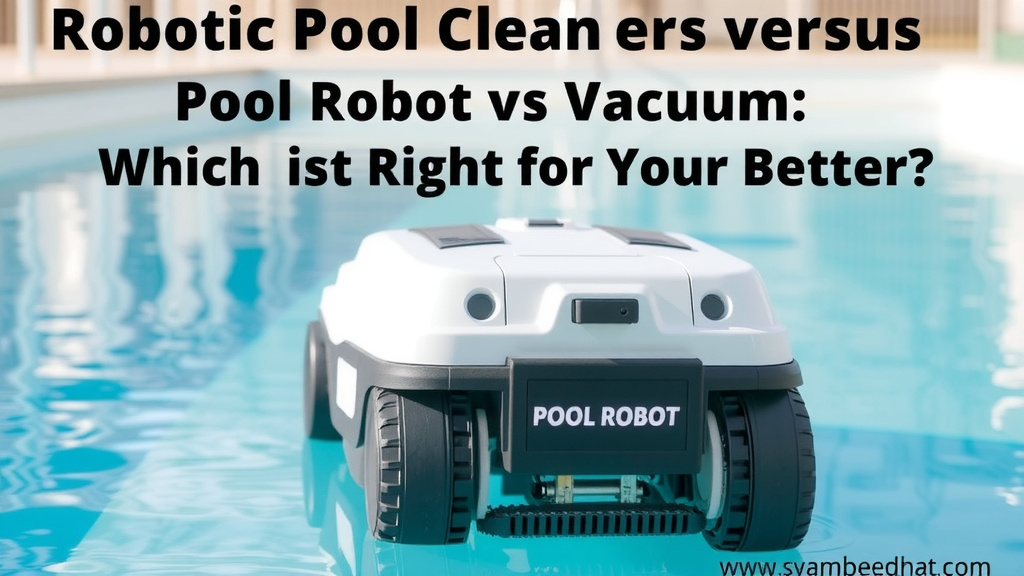
Robotic Pool Cleaners Versus Traditional Vacuums: Which Is Better?
When you’re deciding between a robotic pool cleaner and a traditional pool vacuum, it’s easy to feel overwhelmed. Both promise a cleaner pool. But they work very differently. We found that a robotic cleaner is often the superior choice for ease of use and thoroughness. If budget is a concern, our guide to the best budget robotic cleaner is a great resource.
Think of your pool as a living thing. It needs regular care to stay healthy and inviting. A robot acts like a dedicated spa attendant for your pool. It handles the heavy lifting. A traditional vacuum is more like a garden hose attachment. It requires you to be more hands-on.
How a Robotic Pool Cleaner Works
A robotic pool cleaner is a smart device. It has its own motor and filtration system. This means it doesn’t need to connect to your pool’s pump or filter. You simply plug it in, toss it in the water, and let it go to work. Many models even have programmable timers.
Independent Power and Filtration
This independence is a major advantage. Your pool’s main filter is designed for the whole pool. It can get strained by extra work from a vacuum. A robot has its own internal filter. It captures debris directly. This means less strain on your existing equipment. We found this reduces wear and tear over time (Pool and Hot Tub Alliance). Learn how often you should run your pool robot vacuum for optimal results.
Advanced Cleaning Capabilities
Robots are designed to scrub. They don’t just suck up debris. Many robotic cleaners have rotating brushes. These brushes actively scrub away algae, dirt, and grime from your pool’s surfaces. This includes the floor, walls, and even the waterline. We found this scrubbing action makes them exceptionally effective at tackling stubborn buildup.
Some robots can even climb stairs. Others are programmed to clean specific areas. Their movement patterns are often optimized for full coverage. You can set them and forget them, coming back to a much cleaner pool.
How a Traditional Pool Vacuum Works
A traditional pool vacuum, often called a suction-side cleaner, is simpler. It typically connects to your pool’s skimmer. This allows it to use your pool’s main pump to create suction. The debris is then pulled through the hose and into your pool’s filtration system.
Reliance on Your Pool’s Pump
This reliance is where the main difference lies. When your vacuum is running, your pool pump works harder. It’s essentially doing two jobs: circulating water and pulling debris. This can decrease the efficiency of your main pump. It might also shorten the lifespan of your pump motor.
Many pool owners report needing to clean their main filter more often when using a suction-side vacuum. This is because the vacuum is pushing a lot of extra dirt and debris into it. It’s like asking your home’s furnace to also heat your garage.
Manual Operation and Limited Scrubbing
Most traditional vacuums don’t scrub. They rely purely on suction. While they can pick up larger debris, they often miss finer particles. They also don’t tackle stuck-on grime on the pool walls. You might find yourself still needing to brush your pool regularly.
Some traditional vacuums require manual maneuvering. You guide them around the pool. Others move semi-randomly. This can lead to missed spots. You might have to do a pass yourself to ensure full coverage.
Comparing Key Features: Robot vs. Vacuum
Let’s break down how these two types of cleaners stack up head-to-head.
| Feature | Robotic Pool Cleaner | Traditional Pool Vacuum |
|---|---|---|
| Power Source | Self-contained motor (plugs into outlet) | Pool’s main pump |
| Filtration | Internal filter bag or canister | Pool’s main filter system |
| Cleaning Action | Scrubbing brushes, suction | Suction only |
| Wall Climbing | Often yes, including waterline | Rarely, if ever |
| Ease of Use | Set and forget, minimal effort | Requires connecting/disconnecting, potential manual guiding |
| Debris Capacity | Collects in its own bin | Goes to pool’s main filter |
| Energy Use | Uses its own low-voltage motor | Increases load on pool’s main pump |
As you can see, the robot offers more advanced features. It’s designed for a truly hands-off experience. We found that the investment in a robot often pays off in saved time and better pool hygiene.
Which Cleaner is Right for Your Pool?
The best choice depends on your priorities and your pool’s needs. Consider these points.
Your Pool’s Size and Shape
For larger or irregularly shaped pools, a robot is a lifesaver. Their programmed cleaning paths ensure thorough coverage. Smaller, simpler pools might do fine with a traditional vacuum. But you’ll still benefit from a robot’s efficiency.
Type of Debris You Encounter
If you have a lot of fine dust or stubborn algae, a robot’s scrubbing brushes are invaluable. They can dislodge what simple suction might miss. For mostly large leaves, a traditional vacuum might suffice. But even then, a robot handles it all.
Your Willingness for Manual Labor
This is a big one. Do you want to spend more time actively cleaning, or would you rather relax? A robot means you’re mostly just emptying its collection bin. A traditional vacuum may involve more setup and occasional manual brushing.
Budget and Long-Term Costs
Robotic cleaners have a higher upfront cost. However, they can save you money in the long run. They reduce wear on your pool pump and filter. They also use less energy than running your main pump for extended periods. Many experts note that reduced equipment strain leads to fewer repairs (Pool & Hot Tub Alliance).
Traditional vacuums are cheaper to buy. But their reliance on your main pump could lead to higher energy bills and potentially more frequent equipment maintenance.
Your Pool Cleaning Checklist
To help you decide, ask yourself these questions:
- Do I want a truly automated cleaning experience?
- Am I willing to spend more upfront for long-term convenience?
- Does my pool have a lot of algae or tough grime?
- Do I want to reduce wear and tear on my pool’s main equipment?
- How much time am I willing to dedicate to pool cleaning each week?
- Is energy efficiency a major concern for me?
We found that most pool owners who switch to a robot rave about the difference. They appreciate the effortless cleaning and the consistently sparkling results.
Conclusion
When you weigh a pool robot against a traditional vacuum, the robot clearly leads for convenience and deep cleaning. Its independent system cleans more thoroughly, scrubbing surfaces and reducing strain on your existing pool equipment. While traditional vacuums are cheaper upfront, robots offer long-term savings and a much more hands-off experience. For most pool owners, the investment in a robotic cleaner means less work for you and a consistently cleaner pool. Your next step is to assess your pool’s specific needs and budget to choose the robot that will make your pool sparkle effortlessly.
Frequently Asked Questions
Can a robotic pool cleaner really clean my pool walls?
Yes, many robotic pool cleaners are designed to climb walls and scrub the waterline. Their brushes actively remove algae and grime, providing a more thorough clean than vacuums that only suction the pool floor.
How often do I need to clean the robot’s internal filter?
Typically, you’ll need to clean the robot’s filter bag or canister after each cleaning cycle. This is a quick task that ensures the robot operates efficiently for its next use.
Will a robotic cleaner use more electricity than my pool pump?
No, robotic cleaners use their own low-voltage motors and are very energy-efficient. They actually use less electricity than relying on your main pool pump to run a traditional vacuum for the same cleaning duration.
What happens if my pool has a lot of large debris, like many leaves?
Most robotic cleaners are equipped to handle a variety of debris, including larger leaves. They collect this debris in their internal filter. For very heavy debris loads, you might need to empty the robot’s filter more frequently.
Are robotic pool cleaners worth the higher initial cost?
For many pool owners, the answer is yes. While the upfront cost is higher, robots save you time and effort. They also reduce wear and tear on your pool’s main pump and filter, potentially leading to lower long-term maintenance and energy costs.