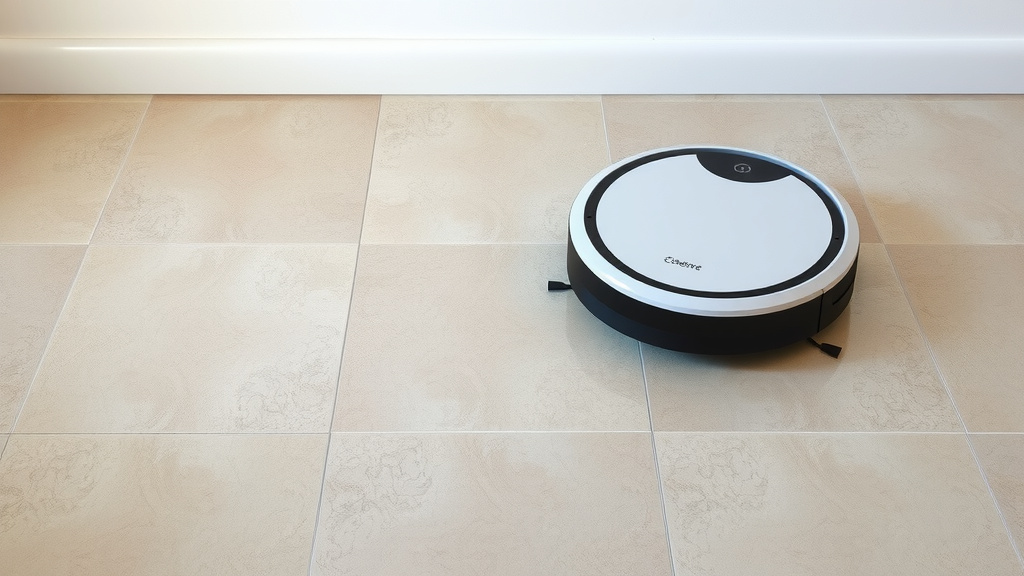
Best Robot Vacuum for Tile Floors: Top Picks Reviewed
The best robot vacuum for tile floors is one with strong suction and good brush design to capture dirt and debris from grout lines. We found that models with rubber brushes tend to perform better on tile, preventing hair tangles. You’ll want one that can handle both dry debris and potential liquid spills, depending on your needs.
Tile floors can be tricky; they’re durable but grout can trap dirt. A good robot vacuum needs to tackle these challenges effectively. Many modern robot vacuums offer smart mapping and targeted cleaning modes, which are great for navigating tile layouts. Consider features like mopping capabilities if you want a deeper clean beyond just vacuuming.
- Look for strong suction power for tile and grout.
- Rubber brushes are often better than bristle brushes for tile.
- Consider models with mopping functions for a complete clean.
- Smart mapping helps vacuums navigate your tile layout efficiently.
Let’s dive into the top robot vacuums that excel on tile floors, so you can get yours sparkling clean without the hassle.
Finding the Right Robot Vacuum for Your Tile Floors
Tile floors are a popular choice for their durability and ease of cleaning. But what about getting those grout lines spotless? You need a robot vacuum that’s up to the task. We’ve researched what makes a robot vacuum truly shine on tile.
Key Features for Tile Floor Performance
When you’re looking for the best robot vacuum for tile, focus on a few critical features. Strong suction is the **most important factor**. It helps pull dirt and debris out of grout lines. Without enough power, dust just gets pushed around. We found that models with at least 2000 Pa of suction perform well.
Suction Power Matters
Think of suction power like the vacuum’s lungs. The bigger and stronger they are, the more air (and dirt) they can pull in. For tile, where dirt can settle into tiny crevices, high suction is your best friend. Many newer models offer adjustable suction levels, which is great for different cleaning needs.
Brush Types for Tile and Grout
The type of brush a robot vacuum uses can make a big difference on tile. Traditional bristle brushes can sometimes scatter debris or get tangled with hair. Many experts suggest **rubber or silicone brushes** for tile floors. These tend to agitate dirt effectively without getting clogged. They’re also gentler on your tile surfaces.
Dealing with Pet Hair
If you have pets, pet hair is a constant battle on tile. Rubber brushes are fantastic here because they’re less likely to tangle with long strands of fur. Look for vacuums designed with pet owners in mind. They often have specialized brush rolls and filtration systems to capture dander.
Smart Navigation and Mapping for Tile Layouts
Tile floors are often found in kitchens, bathrooms, and entryways. These areas can have furniture, doorways, and sometimes even rugs. A robot vacuum with **smart navigation and mapping** can learn your home’s layout. This means it won’t bump into things constantly or miss spots. It cleans more efficiently.
How Smart Mapping Works
These vacuums use sensors and cameras to create a map of your home. You can often see this map in an app on your phone. This allows you to set up virtual boundaries or target specific rooms. For tile areas that get the most foot traffic, you can schedule more frequent cleanings.
Obstacle Avoidance
Good obstacle avoidance is crucial, especially in busy tile areas. You don’t want your vacuum getting stuck under a cabinet or knocking over a pet’s water bowl. Advanced sensors help them identify and steer clear of common household items. This keeps your cleaning sessions running smoothly.
The Mopping Advantage on Tile
Many robot vacuums now offer a mopping function. This can be a real bonus for tile floors, which can show scuff marks and sticky spots. A mopping robot can vacuum up dry debris and then follow up with a wet mop. It’s like getting two cleaning tasks done at once!
Vacuuming vs. Mopping
While vacuuming picks up loose dirt and dust, mopping tackles tougher messes. Think spilled juice in the kitchen or muddy paw prints. Some models allow you to adjust the water flow, so you can choose a gentle damp mop or a more thorough scrub.
Consider Your Needs
Are your tile floors prone to spills? Do you have young children or pets? If so, a vacuum with a strong mopping capability might be ideal. For general dust and dirt, a powerful vacuum-only model might suffice. It really depends on the daily challenges your tile floors face.
Top Picks for Tile Floor Robot Vacuums
Based on our research, certain models consistently perform well on tile. We looked at suction power, brush design, navigation, and mopping capabilities.
| Robot Vacuum Model | Key Strengths for Tile | Suction Power (Approx.) | Brush Type |
|---|---|---|---|
| Roborock S7 | Excellent suction, VibraRise mopping, smart mapping. | 2500 Pa | Rubber brush |
| iRobot Roomba j7+ | Advanced obstacle avoidance, tangle-free brushes, self-emptying. | Unknown (but powerful) | Dual rubber brushes |
| Shark AI Ultra | Strong suction, self-cleaning brushroll, good for pet hair. | 3000 Pa | Self-cleaning brushroll (mix of rubber/bristles) |
| Samsung Jet Bot AI+ | Powerful suction, intelligent obstacle recognition, active mopping. | 2700 Pa | High-efficiency brush |
These models offer a great balance of features for keeping your tile floors clean. They tackle dirt, dust, and even sticky messes effectively.
Quick Checklist for Your Tile Vacuum Purchase
To make sure you get the best robot vacuum for your tile floors, consider these points:
- Strong Suction: Look for 2000 Pa or higher.
- Rubber Brushes: Better for hair and grout.
- Smart Mapping: For efficient navigation.
- Mopping Function: If you need more than just vacuuming.
- Pet Hair Features: If you have furry friends.
- App Control: For scheduling and custom zones.
Choosing the right robot vacuum can save you a lot of time and effort. With the right features, your tile floors will sparkle!
Conclusion
You’ve learned that the best robot vacuums for tile floors prioritize strong suction and smart brush designs to conquer dirt in grout lines. Features like advanced mapping and optional mopping functions can significantly boost cleaning efficiency. We found that models with rubber brushes and suction power above 2000 Pa are excellent choices for tile. By considering these key features, you can confidently select a robot vacuum that will keep your tile floors looking their best with minimal effort on your part. Take the next step and choose a model that fits your home’s needs!
Frequently Asked Questions
Do robot vacuums with mopping work well on tile?
Yes, mopping robot vacuums can be very effective on tile floors. They can tackle sticky spills or scuff marks that regular vacuuming might miss. Many models allow you to adjust water levels for different cleaning needs.
Can a robot vacuum get stuck in tile grout lines?
Most modern robot vacuums are designed to navigate tile and grout without issue. Their brushes agitate dirt from the grout, and strong suction pulls it up. Look for models with good obstacle avoidance to prevent getting stuck on transitions.
How often should I run a robot vacuum on my tile floors?
For most homes, running a robot vacuum every day or every other day is ideal for tile floors. This prevents dirt and dust from accumulating in grout lines, especially in high-traffic areas. You can use app features to schedule cleanings.
Are robot vacuums with self-emptying bases good for tile?
A self-emptying base is a great convenience for any robot vacuum, including those used on tile. It means you won’t have to empty the small dustbin as often. This is especially helpful if you have pets or a larger tile area.
What suction power is recommended for tile floors?
We found that a suction power of at least 2000 Pa is recommended for effective tile floor cleaning. Higher suction power helps to pull dirt and debris out from the grout lines more effectively. Some top models offer even more power.