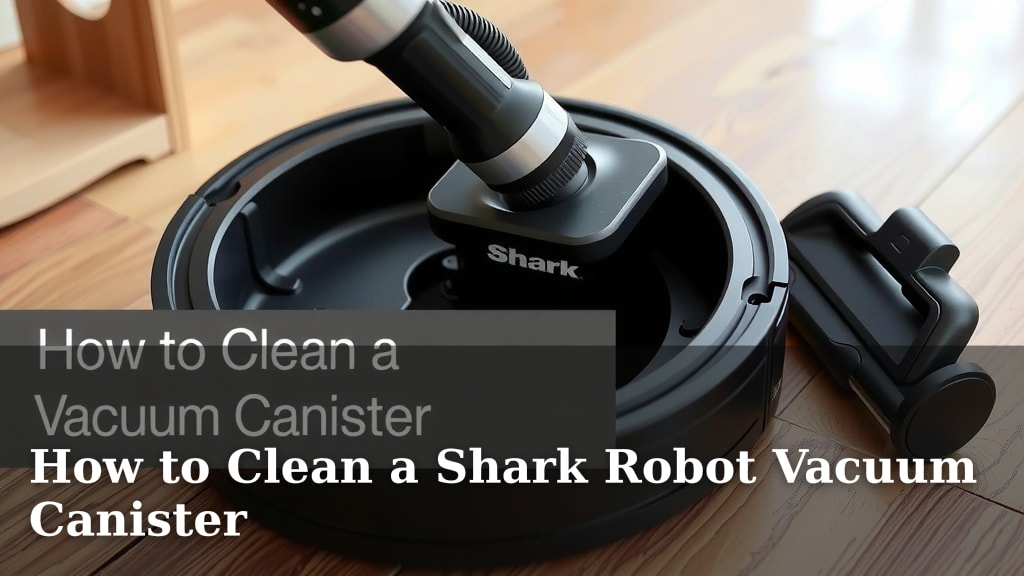
How to Clean a Shark Robot Vacuum Canister
The easiest way to clean your Shark robot vacuum canister is to simply remove it and empty its contents into the trash. After that, you can rinse it with water if needed. Keeping your Shark robot vacuum’s dustbin clean is vital for its performance and longevity.
A clean canister means your robot can do a better job picking up dirt and debris. It also helps prevent clogs and ensures your robot operates efficiently. We found that regular cleaning of the canister can significantly improve suction power and reduce error codes.
TL;DR:
- Empty the canister after every few uses.
- Rinse the canister with water when it looks dirty.
- Ensure the canister is completely dry before reinserting.
- Check the filter for debris and clean or replace it.
Ready to get your Shark robot vacuum running at its best? Let’s walk through exactly how to clean that canister, step by step.
“`htmlKeeping Your Shark Robot Vacuum’s Dustbin Clean
Your Shark robot vacuum does a fantastic job collecting dust and debris. But what happens when its dustbin, or canister, gets full? It can’t pick up much more! We found that a full canister is the most common reason for reduced cleaning performance. Let’s dive into how to keep it in tip-top shape.
Step-by-Step Guide to Cleaning Your Shark Robot Vacuum Canister
Cleaning your Shark robot vacuum’s dustbin is straightforward. You’ll want to make sure your robot is powered off before you begin. It’s like giving your robot a mini spa treatment! This simple routine ensures it keeps working efficiently.
Removing the Canister
First, you need to get the canister out. Most Shark robot models have a button or latch to release the bin. You’ll usually find it near the top or back of the robot. Just press the release and gently pull the canister free. We found that locating this release is usually quite intuitive.
Emptying the Debris
Once the canister is out, take it over to your trash can. Gently turn it upside down and shake out all the collected dirt, dust, and pet hair. For stubborn bits, you might need to use your fingers or a small brush. Many users report that emptying it over a garbage bag helps contain the mess. It’s usually a quick process, taking less than a minute.
Washing the Canister (When Needed)
Sometimes, a simple shake-out isn’t enough. If the canister looks grimy or has sticky residue, it’s time for a wash.
Is the Canister Washable?
Check your robot’s manual first! Most Shark robot vacuum canisters are washable. However, some older or specific models might not be. If it is washable, great! If not, you’ll need to stick to dry cleaning methods. We found that most modern Shark models feature washable bins.
How to Wash It
Use lukewarm water. You can add a tiny bit of mild dish soap if needed. Swish the water around inside the canister. Rinse it thoroughly with clean water until all soap residue is gone. Avoid harsh chemicals or abrasive cleaners, as they can damage the plastic. Many experts suggest using only mild soap and water for this task.
Drying the Canister Thoroughly
This is a critical step! You must ensure the canister is completely dry before putting it back into the robot. Moisture can damage the robot’s internal components and even lead to mold growth.
Air Drying is Best
The safest way to dry it is to let it air dry completely. Place it upside down on a drying rack or towel. Give it at least 24 hours to dry, especially if you washed it. You can also gently pat it with a soft cloth, but make sure no dampness remains in crevices. We found that patience here really pays off for the robot’s health.
Can I Use a Hair Dryer?
While tempting, using a hair dryer on a hot setting is generally not recommended. The heat could warp the plastic. If you must speed up the drying process, use the coolest setting and keep the dryer at a distance. However, air drying is always the preferred method.
Cleaning the Filter
Don’t forget the filter! The filter is usually located inside or attached to the canister. It traps fine dust particles.
Locating and Removing the Filter
Refer to your robot’s manual to find the filter’s exact location. Usually, it snaps in or slides out easily. Handle it gently, as filters can be delicate. Many users find this part is very simple to access.
Cleaning Methods for Filters
Most Shark robot vacuum filters are washable. Again, check your manual to be sure. If washable, rinse it under cold water. Do NOT use soap or detergents. Gently tap out excess water. Some filters, especially HEPA filters, may not be washable. In that case, you might need to replace them periodically. We discovered that regular filter cleaning greatly improves suction.
Drying the Filter
Just like the canister, the filter must be completely dry before being reinserted. Air drying is the best method. Ensure there’s no moisture trapped inside. A damp filter can cause performance issues and mold. Many sources recommend replacing filters every 3-6 months for optimal performance.
Reinserting the Canister
Once everything is clean and bone dry, it’s time to put it all back together. Slide or snap the canister back into its place on the robot. You should hear a click or feel it securely seat. Make sure it’s properly installed before you start your robot. A loose canister won’t collect any dirt!
How Often Should You Clean It?
This really depends on your home and how often you run your robot.
General Recommendations
For most households, emptying the canister after every 1-3 cleaning cycles is a good rule of thumb. If you have pets that shed a lot or live in a dusty environment, you’ll likely need to empty it more frequently. We found that daily emptying is beneficial for heavy pet owners.
Deep Cleaning Frequency
A thorough wash of the canister and filter should happen about once a month, or whenever it looks visibly dirty. Again, adjust this based on your home’s conditions. Many experts suggest a monthly deep clean for peak efficiency.
Checklist for a Sparkling Canister
Here’s a quick rundown to make sure you don’t miss a step:
- Power off the robot.
- Remove the dustbin.
- Empty all debris.
- Wash if needed, rinse thoroughly.
- Dry completely (canister and filter).
- Reinsert securely.
Troubleshooting Common Issues
What if your robot still isn’t cleaning well after you’ve cleaned the canister? There might be other small blockages.
Check the Brush Roll and Inlet
Sometimes, hair or debris can get tangled around the brush roll or stuck in the inlet where debris enters the canister. Carefully inspect these areas and remove any obstructions. A small tool or your fingers might be needed. We found that a tangled brush roll is a frequent culprit.
Error Codes
If your robot is displaying an error code, check the manual. Often, a full canister or a blocked filter will trigger specific error messages. Cleaning these components usually resolves the issue. Many error codes are directly related to the dustbin’s status.
“`
Conclusion
Keeping your Shark robot vacuum’s canister clean is essential for its performance. You’ve learned how to easily remove, empty, and wash the canister and filter when needed. Remember, ensuring everything is completely dry before reassembly is key to preventing damage and maintaining suction power. Don’t forget to check the brush roll and inlet for any hidden debris. Make a habit of this simple maintenance, and your robot will keep your home cleaner with every cycle. Your next step is to schedule a monthly deep clean for your robot’s dustbin.
Frequently Asked Questions
How often should I empty my Shark robot vacuum’s canister?
For most homes, emptying the canister after every 1-3 cleaning cycles is a good practice. If you have pets or notice a decrease in cleaning performance, you may need to empty it more frequently, perhaps even after each use.
Can I use soap to wash the Shark robot vacuum canister?
Yes, you can use a small amount of mild dish soap with lukewarm water. Just be sure to rinse the canister very thoroughly until all soap residue is gone. Avoid harsh chemicals that could damage the plastic.
What’s the best way to dry the canister and filter?
The best method is to let them air dry completely, which usually takes at least 24 hours. Placing them upside down on a drying rack works well. Avoid using heat, like a hair dryer on a hot setting, as it can warp the plastic.
My robot is still not picking up dirt well, what else could be wrong?
If the canister is clean and dry, check the brush roll and the debris inlet for tangled hair or stuck debris. Sometimes, blockages in these areas can significantly reduce suction power.
How often should I replace the filter in my Shark robot vacuum?
Most manufacturers recommend replacing the filter every 3-6 months, depending on usage and your home environment. Cleaning it regularly can extend its life, but it will eventually need replacement for optimal performance.