
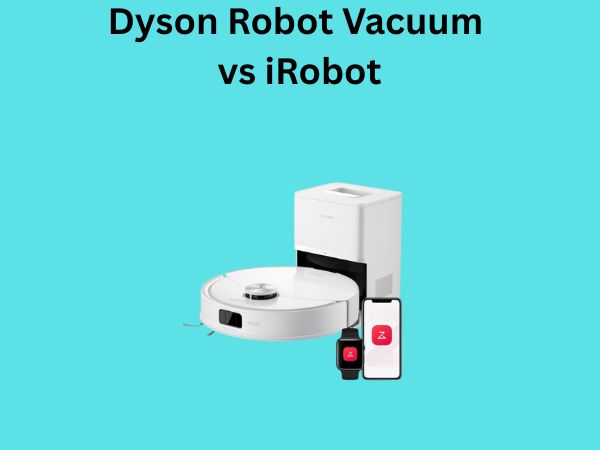
Dyson Robot Vacuum vs iRobot: Which Brand Cleans Better?
When you’re standing in the cleaning aisle, staring at two of the most talked-about robot vacuum brands on the market, it’s easy to feel overwhelmed. Should you go with Dyson, the tech innovator known for powerful suction? Or stick with iRobot, the company that practically invented the robot vacuum category? I’m here to help you navigate this decision because honestly, both brands have their loyal fans, and there’s a reason why.
The robot vacuum market has exploded over the past few years, and these two heavyweights have been battling for supremacy. But here’s the thing—just because they’re both excellent doesn’t mean they’re equally right for your home. Let me break down everything you need to know to make an informed decision.
Understanding the Market Leaders
Before we dive into the nitty-gritty details, let’s take a moment to understand who these companies are and why they matter in the robot vacuum space.
Dyson: The Technology Disruptor
Dyson entered the robot vacuum market relatively recently compared to iRobot, but they’ve made a massive splash. Known for their premium cordless vacuums and bladeless fans, Dyson brought their signature engineering approach to autonomous cleaning. They’re not just slapping together a basic robot—they’re thinking about every detail, from motor technology to sensor placement.
iRobot: The Original Pioneer
iRobot, on the other hand, has been in the robot vacuum game since the beginning. Their Roomba line is practically a household name, the kind of brand that’s become synonymous with robot vacuums themselves. They’ve had decades to perfect their craft, and they’ve built an ecosystem of products that work together seamlessly.
Suction Power and Cleaning Performance
Let’s get straight to what matters most: how clean does your floor actually get? This is where the comparison gets really interesting because both brands excel in different ways.
Dyson’s Suction Technology
Dyson vacuums, whether handheld or robot models, are famous for their suction power. The Dyson robot vacuums use a more powerful motor that delivers stronger suction compared to many competitors. When you’re dealing with pet hair, debris, or stubborn dust, that extra power really shows.
But here’s what makes Dyson special: they’ve engineered their motors to be incredibly efficient. You get that powerful suction without burning through battery life at an alarming rate. It’s like having a muscle car that somehow manages to be fuel-efficient—it shouldn’t work, but Dyson has pulled it off.
Real-World Suction Numbers
- Dyson robot vacuums typically deliver around 20,000 Pa of suction power
- This translates to noticeably faster cleaning times on most floor types
- Pet owners often report better results with Dyson when dealing with stubborn hair
iRobot’s Cleaning Approach
iRobot takes a different philosophical approach. Rather than relying solely on raw suction power, they’ve developed sophisticated brush systems and intelligent navigation patterns. Their robots use a combination of edge-cleaning brushes, main brushes, and strategic movement patterns to capture debris more effectively.
Think of it like this: Dyson is the sprinter with explosive power, while iRobot is the marathon runner with strategy and consistency. Both can win, depending on the circumstances.
iRobot’s Cleaning Features
- Multi-stage filtration systems that capture fine dust particles
- Sophisticated cleaning patterns that ensure complete floor coverage
- Responsive suction adjustment based on floor type detection
Smart Navigation and Mapping
A robot vacuum that cleans randomly is about as useful as a map with no legend. This is where navigation technology becomes absolutely crucial, and it’s where these two brands differ significantly.
Dyson’s Visual-Based Navigation
Dyson robot vacuums use advanced camera-based navigation systems. Their latest models employ optical sensors and software that create real-time maps of your home. This approach is similar to how autonomous vehicles “see” their environment.
The advantage here is that Dyson can understand complex room layouts, recognize obstacles, and create efficient cleaning patterns remarkably quickly. However, camera-based systems can struggle in very dark environments or with reflective surfaces like mirrors.
iRobot’s LiDAR Technology
iRobot, particularly with their premium Roomba J7+ and s9+ models, uses LiDAR (Light Detection and Ranging) technology. This technology works by sending out laser pulses and measuring the reflections to create incredibly precise maps.
LiDAR is actually superior in many ways to camera-based systems. It works equally well in darkness, it’s not fooled by reflective surfaces, and it creates more accurate maps. If you have a complicated home layout with narrow hallways and lots of furniture, LiDAR wins this round.
Navigation Comparison Summary
- Dyson: Visual/optical sensors, good in bright lighting, faster initial mapping
- iRobot: LiDAR technology, works in all lighting conditions, more accurate mapping
Battery Life and Runtime
What good is a powerful robot vacuum if it runs out of juice halfway through your living room? Battery performance is a practical consideration that affects your daily experience.
Dyson’s Battery Performance
Dyson robot vacuums typically offer between 60 and 70 minutes of runtime per charge. Given their more powerful motors, this is actually quite impressive. They’ve managed to pack substantial energy into their batteries without making the units unnecessarily heavy.
The tradeoff is that this runtime might not cover a large home on a single charge, meaning you might need to let it charge and resume cleaning in multiple sessions.
iRobot’s Runtime
iRobot’s premium models often deliver similar or slightly longer runtimes, ranging from 60 to 120 minutes depending on the model. Their more efficient motors mean they can cover more ground on a single charge, especially if you’re not using maximum suction mode constantly.
For larger homes, this matters. A lot. Imagine coming home to a vacuum that cleaned 80% of your floors versus one that only got through 50%—that’s the kind of difference runtime creates in real life.
Smart Home Integration and App Control
We live in an age where your vacuum should play nice with your other smart devices. Let’s see how these brands stack up in the connectivity department.
Dyson’s Smart Ecosystem
Dyson’s robot vacuums integrate with their mobile app, giving you control over cleaning schedules, spot-cleaning commands, and real-time monitoring. You can check your cleaning map, see what your robot is doing, and even send it to specific areas of your home.
However, Dyson’s smart home integration with platforms like Alexa and Google Home is somewhat limited compared to their competitor. If you’re deeply invested in a particular ecosystem, this might be a consideration.
iRobot’s Integration
iRobot has done an excellent job integrating with major smart home platforms. Their robots work seamlessly with Amazon Alexa, Google Assistant, and other platforms. You can control your Roomba with voice commands, and it plays nicely with automation routines.
The iRobot app is also considered more intuitive by many users, with features that go beyond basic scheduling. You can set custom cleaning preferences, view detailed cleaning reports, and even integrate with other smart home devices for automated triggering.
Maintenance and Upkeep
A robot vacuum isn’t truly autonomous if you need to spend hours maintaining it. Let’s look at how much work each brand requires to keep running smoothly.
Dyson’s Maintenance Requirements
Dyson robot vacuums are relatively low-maintenance, but they do require regular attention to their brush systems. The filters need cleaning every few weeks, and the main brush should be checked monthly for tangled hair.
One advantage Dyson has is their reputation for durability. These machines are built tough, and parts are readily available if something needs replacing. The design philosophy suggests longevity, which saves you money over time.
iRobot’s Maintenance
iRobot has made a massive push toward reducing maintenance with their newer models. The s9+ and j7+ models feature self-emptying dustbins, which means you might go months without directly handling dust and debris.
This is genuinely clever engineering. The robot returns to its base station after cleaning and automatically empties its dust bin into a larger container. You’re no longer dealing with a dusty, grimy waste bin—you’re just replacing a liner once every few months.
Maintenance Comparison
- Dyson: Regular brush cleaning, monthly checks, excellent component availability
- iRobot: Less frequent maintenance with self-emptying options, minimal debris handling
Price and Value Proposition
Let’s talk money, because a great vacuum is only great if you can actually afford it. Both brands operate in the premium segment, but they price their products differently.
Dyson Pricing Strategy
Dyson robot vacuums typically range from about $750 to $1,200, depending on the model and features. They’re positioned as premium products, and the pricing reflects that positioning.
However, you’re not just paying for the vacuum itself. You’re investing in Dyson’s engineering prowess, their reputation for build quality, and their ecosystem of cleaning products. If you already use other Dyson appliances, there’s a consistency factor at play.
iRobot Pricing
iRobot’s range is broader, with entry-level models starting around $400 and premium models reaching $1,500 or more. This range actually gives you more options if you’re budget-conscious, but it also means you need to research which model offers the best value for your specific needs.
Value Calculation
When considering value, think about what you’re getting for your money. A Dyson might cost more upfront but might save you money in replacements and repairs. An iRobot might have a lower entry price but might require more frequent maintenance with cheaper models.
Pet Hair Handling
If you have pets, this section is crucial. Pet hair is like the final boss of robot vacuum challenges—it’s stubborn, it tangles, and it makes or breaks the experience.
Dyson’s Pet Hair Solution
Dyson’s powerful suction is genuinely excellent at dealing with pet hair. The stronger motor means hair gets pulled up faster and with less rolling around on the floor. Their brush systems are designed to resist hair tangling, which is a common problem with robot vacuums.
Pet owners consistently report that Dyson handles heavy shedding better than many competitors. If you have multiple dogs or cats that shed like it’s going out of style, this matters.
iRobot’s Pet Hair Approach
iRobot has developed specific pet models and features for dealing with animal hair. Their premium models include enhanced brush systems and stronger suction modes specifically for pet hair. While they might not match Dyson’s raw power, they’re highly effective when configured properly.
The key is that iRobot requires you to use the right model and settings for pet hair, whereas Dyson’s power works well across the board.
Obstacle Avoidance and Safety
A robot vacuum that crashes into your baseboards or gets stuck on charging cables is more stressful than helpful. Let’s examine how these brands handle obstacle detection.
Dyson’s Obstacle Detection
Dyson’s camera-based system is quite good at detecting larger obstacles. The optical sensors can see chair legs, toys, and furniture and navigate around them effectively. However, very small obstacles or thin items might occasionally be missed.
iRobot’s Safety Features
iRobot’s newer models, particularly those with LiDAR, are exceptional at obstacle avoidance. The LiDAR system creates such detailed maps that small obstacles register clearly. Additionally, many iRobot models include cliff detection, preventing them from tumbling down stairs.
iRobot has also pioneered pet obstacle avoidance, with cameras that can identify pet waste and actually avoid it. It’s not the most glamorous feature, but pet owners absolutely appreciate it.
Noise Levels During Operation
You want a cleaner home, not one filled with constant buzzing sounds. Noise is an underrated factor when choosing a robot vacuum.
Dyson’s Sound Profile
Dyson robot vacuums operate at around 80-85 decibels, which is moderate. The powerful motor does create noticeable sound, but it’s not intrusive. It’s roughly equivalent to a busy restaurant or heavy traffic—not something you’d want constantly, but manageable when scheduled for times you’re not working from home.
iRobot’s Quiet Operation
iRobot models tend to be slightly quieter, operating around 75-80 decibels. The difference might not sound like much, but it’s noticeable in practice. If you have flexible scheduling, running an iRobot during work hours is less disruptive than a Dyson.
Warranty and Customer Support
When something goes wrong—and eventually, something will—how does each brand support you?
Dyson’s Support and Warranty
Dyson offers a standard 2-year warranty on most of their robot vacuums, which is solid. Their customer support is known for being responsive, and parts are easy to source. If anything goes wrong, Dyson typically handles it professionally.
iRobot’s Support
iRobot offers a standard 1-year warranty, though many retailers offer extended warranties. Their customer support is generally good, though some users report longer response times than Dyson. Parts availability is excellent since they’ve been in the market longer.
Real-World Performance on Different Floor Types
Not everyone has the same floors. Let’s see how these vacuums handle different surfaces.
Hard Floors
Both brands perform excellently on hard floors. Dyson’s suction quickly captures dust and debris, while iRobot’s brush systems do an equally thorough job. The winner here depends on your personal preference regarding noise and runtime.
Carpets
This is where Dyson’s power advantage becomes more apparent. The stronger suction is noticeably better at extracting embedded dirt and pet hair from carpet fibers. iRobot handles carpets well, but you might need more frequent passes or to use maximum suction mode, which drains the battery faster.
Mixed Flooring
For homes with a combination of hardwood, tile, and carpet, iRobot’s intelligent sensor system that adjusts suction automatically is particularly valuable. It keeps the robot running longer by
![7 Best Robot Vacuum For Shedding Dogs [2026]](https://robotvacuumfact.com/wp-content/uploads/2026/08/7-best-robot-vacuum-for-shedding-dogs-2026-featured-768x432.jpg)