How to Choose the Best Robot Vacuum: Full Guide
Choosing the best robot vacuum means finding one that fits your home’s unique needs and your budget. Look for strong suction power, smart navigation features like mapping, and consider if you need self-emptying capabilities. We found that prioritizing these core features helps narrow down the options considerably.
Robot vacuums have come a long way, offering convenience for busy households. They can handle daily pet hair and dust, keeping your floors cleaner with minimal effort. Many models now include app control and virtual wall barriers for customized cleaning, making them a smart investment for modern living.
- Mapping technology helps robots clean efficiently.
- Consider your home’s floor types and pet situation.
- Self-emptying bins add convenience but increase cost.
- Budget friendly models can still do a great job.
Ready to find your perfect floor-cleaning companion? Let’s dive into the details to help you make the smartest choice for your home.
Finding the Right Robot Vacuum for Your Home
Picking the perfect robot vacuum can feel overwhelming. You want something that cleans well without breaking the bank. We’ve researched many options to help you. Think about your home’s layout and what you need it to clean.
Key Features to Consider
Suction Power: More Bang for Your Buck
This is arguably the most important feature. Strong suction means a cleaner floor. Look for vacuums that list their suction power in Pascals (Pa). Higher numbers are generally better. We found that for homes with carpets, a higher Pa rating is essential. Pets also require more power to pick up hair.
Navigation and Mapping: Smart Cleaning
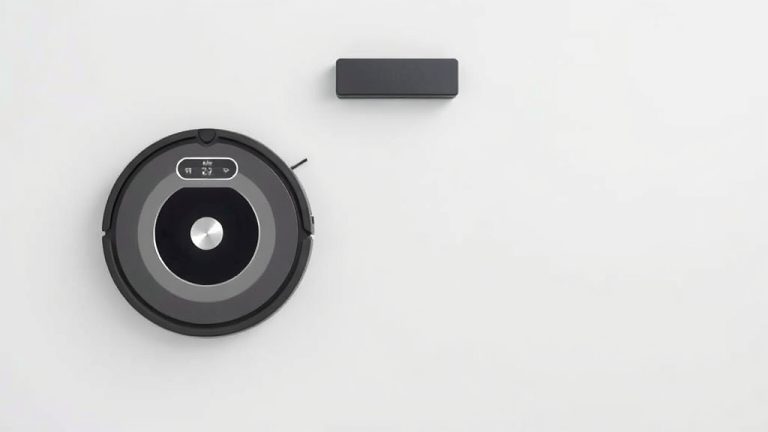
How does the robot know where to go? Cheaper models might bounce around randomly. Smarter vacuums use cameras or lasers to map your home. This allows them to clean in efficient rows. They learn the best paths and avoid obstacles. This mapping is key for thorough cleaning. Many apps let you set virtual walls too. This keeps the robot out of certain areas.
Floor Types: What’s Under Your Feet?
Does your home have a mix of carpet and hard floors? You’ll want a vacuum that can handle both. Many robot vacuums automatically adjust their suction power. They might increase it on carpets. Some models are better suited for hardwood floors. Consider which type dominates your home.
Battery Life and Coverage Area
A robot vacuum needs enough battery to clean your entire home. Check the advertised run time. Also, see how long it takes to recharge. Some larger homes might need a vacuum that can recharge and then resume cleaning. This is often called “auto-recharge and resume.”
Maintenance and Ease of Use
Robot vacuums need some upkeep. You’ll need to empty the dustbin regularly. Some models have larger bins. Others can even empty themselves into a base station. This self-emptying feature is a huge convenience. However, it often comes at a higher price. You’ll also need to clean brushes and filters. We found that checking reviews for maintenance tips is helpful.
Special Considerations for Pet Owners
Do you share your home with furry friends? Pet hair is a common challenge. You’ll need a robot vacuum with powerful suction. Look for tangle-free brushes. Some models are specifically designed for pet hair. They often have better filtration to capture dander. Emptying the bin frequently is also a must.
Smart Features and App Control
Modern robot vacuums offer a lot of tech. Most come with smartphone apps. These apps let you start, stop, and schedule cleanings. You can often view cleaning maps. Some apps allow you to customize cleaning zones. You might be able to tell it to clean the kitchen extra well. This level of control adds a lot of value.
Budget-Friendly vs. Premium Models
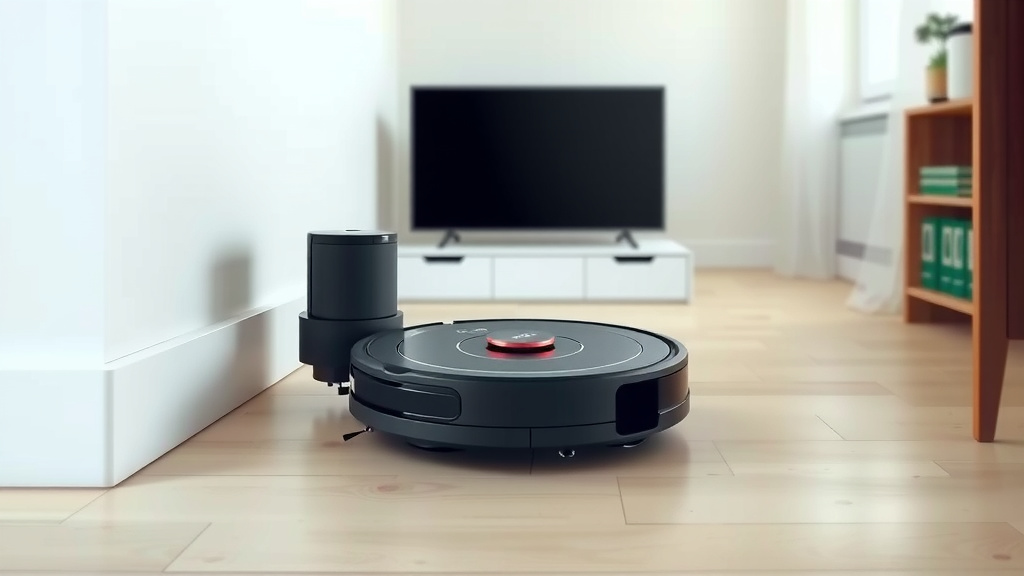
Robot vacuums range in price. Basic models can start under $200. They typically offer simpler navigation. Premium models can cost $500 or more. These often include advanced mapping, self-emptying, and better obstacle avoidance. We found that for many households, a mid-range model offers the best balance. It provides smart features without the highest price tag.
Making Your Final Choice: A Quick Checklist
To help you narrow down your options, consider this checklist:
- Does it have enough suction power for your floors?
- Does it offer smart mapping or good navigation?
- Can it handle all the floor types in your home?
- Is the battery life sufficient for your space?
- Do you need self-emptying capabilities?
- Are you a pet owner needing special features?
Understanding Different Types of Robot Vacuums
Basic Bump-and-Go Models
These are your entry-level robots. They use sensors to avoid walls and stairs. They clean in a random pattern. They are usually the most affordable option. They might miss spots or take longer to clean. These are best for smaller, simpler spaces.
Smart Mapping Robot Vacuums
These use cameras or lasers to create a map of your home. They clean in neat rows, covering the area more efficiently. You can often control them via an app. Many experts say this is a significant upgrade in cleaning performance. You can even set no-go zones.
Self-Emptying Robot Vacuums
These robots dock at a base station that automatically empties their dustbin. This means you can go weeks without touching the dirt. It’s a fantastic feature for busy people. However, these models are generally more expensive. The dust bags in the base also need replacing.
| Feature | Basic Models | Smart Mapping Models | Self-Emptying Models |
|---|---|---|---|
| Navigation | Random pattern | Systematic, mapped | Systematic, mapped |
| App Control | Rare | Common | Very Common |
| Suction Power | Moderate | Good to Excellent | Good to Excellent |
| Dustbin Maintenance | Frequent manual emptying | Regular manual emptying | Infrequent manual emptying (at base) |
| Price | $ (Lowest) | $$ (Mid-range to High) | $$$ (Highest) |
Conclusion
Choosing the best robot vacuum boils down to matching its capabilities with your home’s needs. You’ve learned that suction power, navigation smarts, and battery life are key. Don’t forget to consider your floor types and if you need pet-specific features. Self-emptying bins are a convenience, but they do add to the cost.
We found that a mid-range model often hits the sweet spot for most users. Now, take a moment to assess your biggest cleaning challenges. Then, confidently pick a robot vacuum that fits your lifestyle and budget. Your floors will thank you!
Frequently Asked Questions
How often should I empty my robot vacuum’s dustbin?
If your robot vacuum doesn’t have a self-emptying base, you’ll need to empty the dustbin after each cleaning cycle, especially if you have pets. For homes without pets or with minimal debris, you might get away with emptying it every 2-3 cycles. Always check the bin size and your home’s typical dirt levels.
Are robot vacuums good for homes with a lot of stairs?
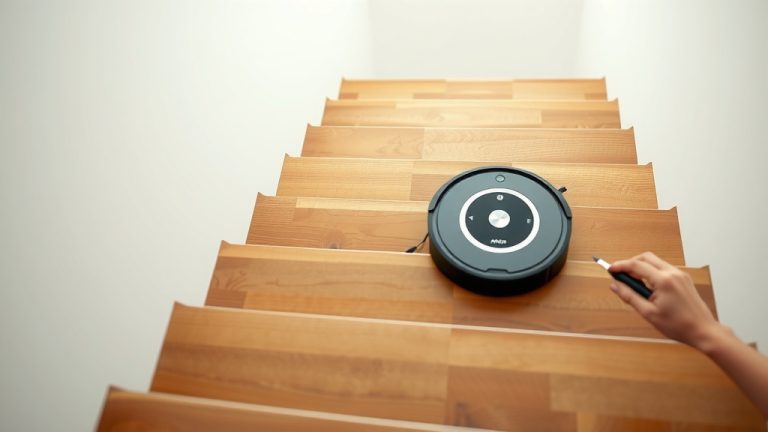
Robot vacuums are designed to clean floors on a single level. They have sensors to prevent them from falling down stairs. You would need to manually move the robot vacuum from one floor to another for cleaning. Some advanced models allow you to set up multiple maps for different levels, but this still requires manual placement.
Can robot vacuums handle thick carpets?
Yes, many robot vacuums are designed to clean thick carpets effectively. Look for models with strong suction power (measured in Pascals, Pa) and features like automatic carpet boost, which increases suction on carpeted areas. Brush types also matter; some are better at lifting dirt from deep carpet fibers.
What is the difference between random navigation and smart mapping?
Random navigation robots clean in a haphazard pattern, bumping into obstacles. Smart mapping robots use cameras or lasers to scan and map your home, cleaning in neat, efficient rows. This makes them much better at covering the entire area thoroughly and avoids missed spots. Smart mapping also allows for features like virtual no-go zones.
How important is app control for a robot vacuum?
App control is very important for modern robot vacuums. It lets you start, stop, and schedule cleanings remotely. You can often view cleaning maps, set cleaning zones, and create virtual barriers. This level of control allows you to customize how and when your robot cleans, making it much more convenient.