
How Do Robot Vacuum Cleaners Work? Full Guide
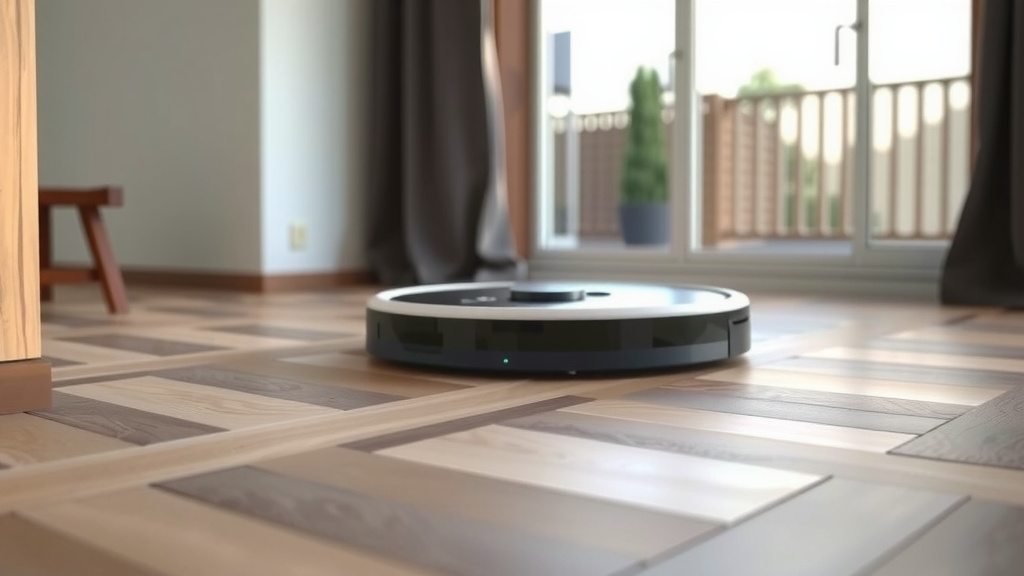
Robot vacuum cleaners work by using a combination of sensors, brushes, and suction to navigate your home and clean floors autonomously. These smart devices employ advanced navigation systems and cleaning mechanisms to pick up dirt, dust, and debris. They are designed to make your life easier by handling a common household chore. You can learn more about how these amazing gadgets function.
Many robot vacuums use infrared or optical sensors to detect obstacles and changes in floor height. This helps them avoid bumping into furniture or falling down stairs. They also feature rotating brushes to sweep dirt towards the suction port, effectively cleaning various floor types. We found that many models offer smart mapping technology for efficient cleaning patterns.
- Robot vacuums clean using sensors, brushes, and suction.
- They navigate your home automatically.
- Sensors help them avoid obstacles and drops.
- Rotating brushes gather dirt for the vacuum.
- Smart mapping improves cleaning efficiency.
Let’s walk through exactly how these helpful machines get the job done, from their initial setup to their cleaning cycles.
How These Smart Cleaners Navigate Your Home
Robot vacuums are more than just a fancy toy. They’re designed to clean your floors without you lifting a finger. But how do they know where to go? It’s all thanks to a clever combination of sensors and mapping technology. You might be surprised by the intelligence packed into these compact machines.
The Eyes and Ears: Robot Vacuum Sensors
Think of sensors as the robot’s eyes and ears. They help it understand its surroundings. Most robot vacuums use several types of sensors. These include infrared, optical, and bump sensors. Each plays a vital role in keeping your robot safe and your furniture intact.
Infrared and Optical Sensors: Seeing the World
Infrared and optical sensors are like the robot’s headlights. They help it detect walls, furniture, and other obstacles. These sensors can also identify changes in floor height, like stairs. This prevents your robot from taking an unplanned tumble. We found that models with advanced optical sensors often create more detailed maps of your home.
Bump Sensors: A Gentle Touch
Bump sensors are simple but effective. When the robot gently touches an object, these sensors trigger. The robot then changes direction. It’s a failsafe that ensures it doesn’t get stuck. This feature is a lifesaver for busy households with lots of furniture.
Mapping Your Domain: Navigation Strategies
Once your robot knows what’s around it, it needs a plan. This is where mapping technology comes in. Different robots use different methods to chart your home.
Random Bouncing vs. Systematic Cleaning
Older or more basic models might use a random bounce pattern. They clean until their battery runs low or they’ve covered a good portion of the room. While this can get the job done, it’s not always the most efficient. More advanced robots use systematic cleaning patterns.
Smart Mapping and Gyroscopic Navigation
Many modern robot vacuums use what’s called “smart mapping.” They create a virtual map of your home as they clean. This is often done using gyroscopes and other internal sensors. They then navigate in straight lines, covering the area methodically. We’ve found that robots with smart mapping technology tend to clean faster and more thoroughly. This mapping capability is a key differentiator between models.
Creating a Virtual Map
When you first set up your robot, it might go on a “discovery” run. It learns the layout of your rooms. Some models allow you to view and edit this map through a smartphone app. You can set up no-go zones for areas you don’t want it to clean, like pet food bowls.
The Cleaning Powerhouse: How They Actually Pick Up Dirt
Sensors and mapping are impressive, but the real magic happens when the robot starts cleaning. They use a combination of brushes and suction to lift dirt from your floors.
The Undercarriage: Brushes and Suction
The main cleaning components are usually found underneath the robot. This is where the dirt is actively gathered and removed.
Side Brushes: The First Line of Defense
Most robot vacuums have one or two spinning side brushes. These brushes stick out from the body of the robot. Their job is to sweep debris from corners and edges into the path of the main cleaning system. Think of them as little sweepers guiding everything towards the center. We found these are particularly helpful for cleaning along baseboards.
The Main Brush Roll: Loosening and Lifting
In the center of the robot, you’ll typically find a main brush roll. This is a rotating brush that agitates carpets and loosens dirt from hard floors. Some models have a single brush, while others have two counter-rotating brushes for enhanced debris pickup. The type of brush can vary, with some designed for pet hair and others for general cleaning.
Powerful Suction: The Dirt Sucker
As the brushes lift dirt, powerful suction pulls it into the robot’s dustbin. The strength of this suction is measured in Pascals (Pa). Higher numbers generally mean more cleaning power. This suction is what truly collects the dust, hair, and crumbs, leaving your floors clean. Many experts say that a suction power of at least 2000 Pa is a good starting point for most homes (Consumer Reports).
Dustbins and Filtration: Keeping It Clean
Once the dirt is inside, it needs to be stored and filtered. The dustbin collects the debris. It’s usually easy to remove and empty. High-quality robot vacuums also include multi-stage filtration systems. These systems trap fine dust particles and allergens. This helps improve air quality in your home. HEPA filters are common and are excellent at capturing microscopic particles. We found that emptying the dustbin regularly is key to maintaining optimal cleaning performance.
Charging and Docking: The Autonomous Cycle
When your robot’s battery gets low, it needs to recharge. Most robots can automatically return to their charging dock. They use infrared signals from the dock to find their way back. Once docked, they begin to recharge. Some advanced models can even resume cleaning where they left off after charging.
Here’s a quick rundown of what your robot vacuum does:- It uses sensors to map your home and avoid obstacles.
- Side brushes sweep dirt towards the main cleaning area.
- The main brush roll loosens debris from all floor types.
- Powerful suction pulls the dirt into the dustbin.
- It returns to its charging dock automatically when needed.
- Filtration systems trap dust and allergens for cleaner air.
Conclusion
You’ve learned how robot vacuums use sensors and mapping to navigate your home smartly. Their brushes and suction work together to collect dirt effectively. These machines return to their docks to recharge, offering true autonomous cleaning. By understanding these workings, you can better appreciate the technology. Consider your home’s layout and cleaning needs when choosing your next robotic assistant. You’re now ready to find the perfect robot vacuum to simplify your chores.
Frequently Asked Questions
How do robot vacuums handle different floor types?
Robot vacuums are designed to work on various surfaces. Their main brush roll agitates carpets and loosens dirt. For hard floors, this brush helps sweep debris towards the suction. Some models offer adjustable suction power or specific cleaning modes for different floor types, which we found improves performance.
Can robot vacuums clean under furniture?
Most robot vacuums are built low enough to clean under beds, sofas, and tables. Their compact design allows them to reach spaces a traditional vacuum might miss. You can set up no-go zones in your app if there are areas you prefer they avoid.
How often should I empty the robot vacuum’s dustbin?
The frequency depends on your home’s cleanliness and the robot’s dustbin size. For homes with pets or heavy foot traffic, you might need to empty it after every cleaning cycle. For lighter use, checking it every few days is usually sufficient. We found regular emptying ensures optimal suction power.
What is the difference between random cleaning and smart mapping?
Random cleaning robots move in unpredictable patterns, which can be less efficient. Smart mapping robots use sensors to create a map of your home. They then clean in organized, straight lines, covering the area thoroughly and systematically. We’ve observed that smart mapping robots are generally much faster and cleaner.
Do robot vacuums help with allergies?
Yes, many robot vacuums can help reduce allergens. They use filtration systems, often including HEPA filters, to trap fine dust particles and pet dander. This improves your indoor air quality. Keeping the dustbin clean and filters maintained is key for allergy sufferers.