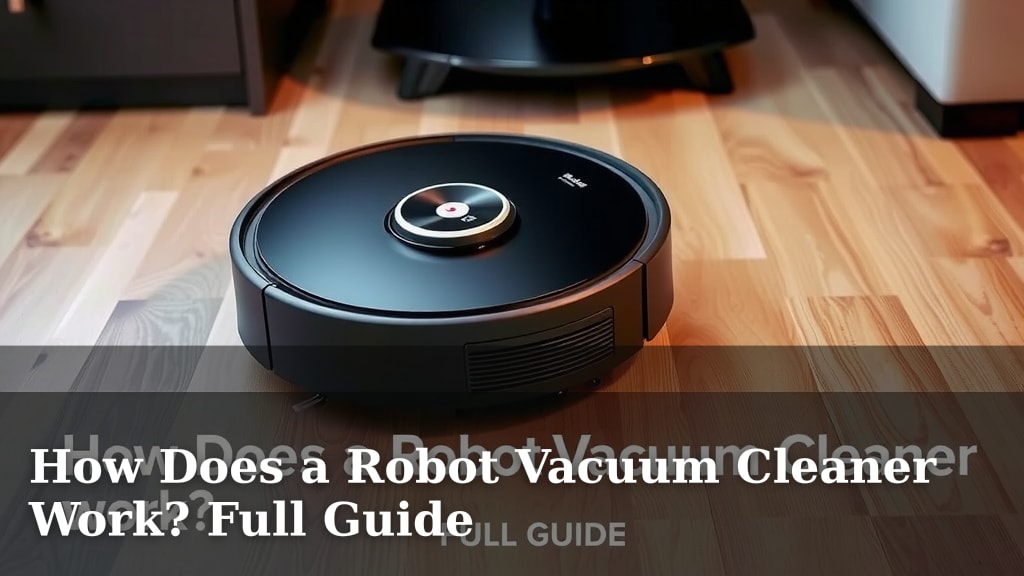
How Does a Robot Vacuum Cleaner Work? Full Guide
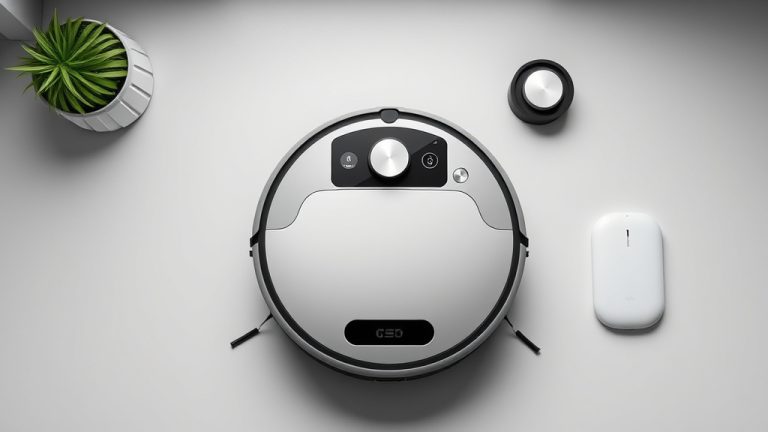
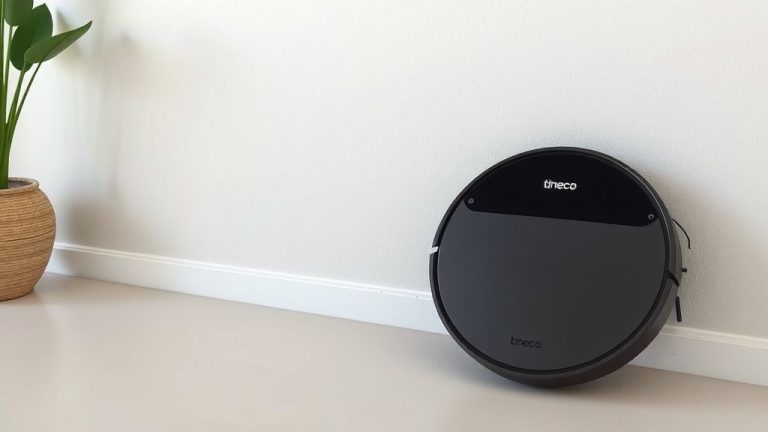
A robot vacuum cleaner works by using a combination of sensors, navigation systems, and cleaning brushes to autonomously clean your floors. They map your home, avoid obstacles, and return to their charging station when needed. This makes keeping your home tidy much easier.
These smart devices are designed to simplify your cleaning routine. Many models feature intelligent mapping technology to efficiently cover your entire home. You can often control them via an app, setting schedules and defining cleaning zones.
- Robot vacuums clean autonomously using sensors and brushes.
- They navigate your home and avoid obstacles.
- Smart features include app control and scheduling.
- They return to their dock to recharge.
Let’s walk through exactly how your robotic cleaning companion keeps your floors spotless!
“`htmlUnderstanding Your Robot Vacuum’s Brain and Body
Ever wonder what’s going on inside that little disc zipping around your floor? Robot vacuums are more than just automated dust bunnies. They use a clever mix of tech to clean your home. We’ll break down the core components and how they work together.
The Sensory Network: How It Sees Your World
Think of sensors as your robot vacuum’s eyes and ears. They help it understand its surroundings. This is how it avoids running into walls, furniture, or your pet’s tail. Without them, your robot would be like a bumper car on a cleaning mission!
Infrared and Ultrasonic Sensors
Many robot vacuums use infrared sensors. These emit beams of light. When the beam bounces off an object, the sensor detects it. This tells the vacuum to slow down or change direction. Some models also use ultrasonic sensors, similar to how bats navigate, emitting sound waves that bounce back.
Bump Sensors
These are pretty straightforward. When the vacuum gently bumps into something, the sensor registers the contact. This is a fail-safe, ensuring it doesn’t just keep pushing against an immovable object. It’s a simple but effective way to protect your furniture.
Cliff Sensors
These are super important! Cliff sensors are designed to prevent your robot from taking an accidental tumble down the stairs. They detect a sudden drop in elevation. This stops the vacuum in its tracks before it can go over the edge. We found this feature is a must-have for homes with multiple levels.
The Navigation System: Charting a Course for Cleanliness
Sensors gather data, but the navigation system uses that data to make smart decisions. It’s the brain that tells the vacuum where to go and how to get there efficiently. This is where the “smart” in smart vacuum really shines.
Mapping Technology
Early robot vacuums just bounced around randomly. Today’s models are far more advanced. Many use gyroscopes and accelerometers to track their movement. This helps them create a map of your home. Some high-end models even use cameras or lasers (LiDAR) to build detailed maps. This allows for more systematic cleaning patterns.
Pathfinding Algorithms
Once a map is created, the robot uses algorithms to plan its cleaning path. It aims to cover every accessible area without missing spots. It learns the layout of your rooms. This means it can clean more efficiently over time. Some can even recognize different rooms and clean them selectively.
The Cleaning Mechanism: Sweeping Up the Mess
All the smart navigation in the world won’t help if the vacuum can’t actually pick up dirt. The cleaning components are what do the heavy lifting (or rather, the heavy sweeping and suctioning).
The Brushes: Your Floor’s Best Friends
Most robot vacuums have at least two types of brushes. There’s usually a main brush roller on the underside. This brush is often a combination of bristles and rubber fins. It agitates dirt, dust, and debris from carpets and hard floors. Then there are the side brushes. These spin outwards to sweep dirt from edges and corners into the path of the main brush.
Suction Power
The suction motor pulls the loosened debris into the dustbin. The power of the suction is measured in Pascals (Pa). Higher numbers generally mean stronger suction. This is especially important for picking up fine dust from carpets. We found that models with adjustable suction levels are great for different floor types.
The Dustbin and Filtration
As the vacuum sucks up dirt, it goes into a small onboard dustbin. These bins need to be emptied regularly. Inside the dustbin, you’ll often find a filter. These filters trap smaller particles, like allergens, preventing them from being released back into the air. Many filters are washable, saving you money on replacements.
The Power and Smart Features: Keeping It Going and Connected
A robot vacuum needs power to operate and smart features to make your life easier. These aspects turn a simple cleaner into a helpful home assistant.
Rechargeable Batteries and Charging Docks
Robot vacuums run on rechargeable lithium-ion batteries. When the battery gets low, or the cleaning cycle is complete, the vacuum needs to recharge. It uses its sensors and navigation to find its charging dock. It then aligns itself to make electrical contact and replenish its power. Many can resume cleaning after recharging if the job isn’t finished.
App Control and Scheduling
This is where the “smart” really comes into play. Most modern robot vacuums can connect to your home Wi-Fi. You can then control them using a smartphone app. This allows you to start, stop, and schedule cleanings from anywhere. You can often set virtual boundaries or designate specific rooms to clean. It’s like having a personal cleaning butler on call!
Voice Assistant Integration
Many robot vacuums also work with popular voice assistants like Amazon Alexa or Google Assistant. You can simply tell your vacuum to start cleaning or return to its dock. This adds another layer of convenience for hands-free operation.
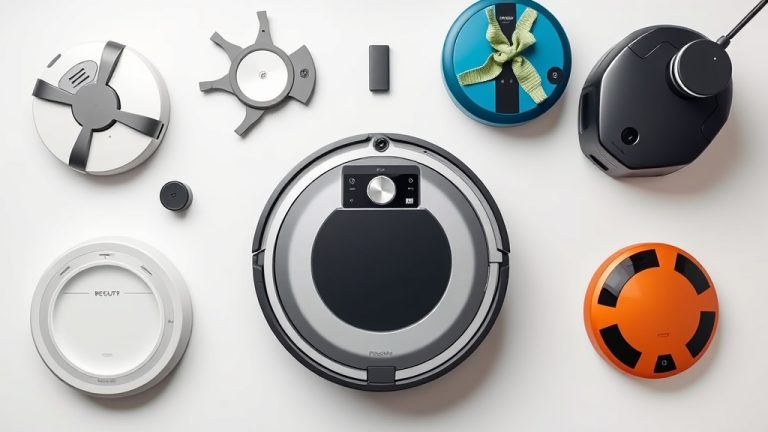
Here’s a quick rundown of the essential parts:
- Sensors: Help it see and avoid obstacles.
- Navigation: Maps your home and plans cleaning routes.
- Brushes: Agitate and sweep dirt.
- Suction: Pulls dirt into the dustbin.
- Battery: Powers the device.
- Charging Dock: Keeps the battery full.
- App/Voice Control: For smart scheduling and operation.
Understanding these components helps you appreciate the engineering behind these helpful devices. They truly are a marvel of modern home technology, working hard so you don’t have to!
“`Conclusion
You’ve learned how your robot vacuum uses a sophisticated network of sensors and navigation systems to clean your home autonomously. From detecting obstacles with infrared beams to mapping your rooms for efficient cleaning, these devices are truly intelligent helpers. The brushes agitate dirt while powerful suction collects it, all powered by rechargeable batteries and controlled via your smartphone.
Ready to experience a cleaner home with less effort? Consider upgrading your cleaning routine by choosing a robot vacuum that fits your needs and floor types. You’ll appreciate the time and energy you save!
Frequently Asked Questions
Do robot vacuums actually clean effectively?
Yes, modern robot vacuums clean very effectively, especially for daily maintenance. Their sensors and navigation systems ensure they cover most areas systematically, and the combination of brushes and suction picks up everyday dirt and debris. You’ll find your floors stay tidier between deeper cleans.
Can a robot vacuum get stuck easily?
While they can sometimes get stuck on unusual obstacles like thick rugs or stray cords, most robot vacuums are designed to avoid this. Features like cliff sensors prevent falls, and bump sensors help them navigate around furniture. Regularly clearing your floor of small items can further prevent them from getting stuck.
How do robot vacuums avoid bumping into walls and furniture?
They use a variety of sensors. Infrared and ultrasonic sensors detect objects from a distance, allowing the robot to slow down or change course. Bump sensors register contact, acting as a final safeguard. This sensory network helps them navigate your home without causing damage.
What happens if my robot vacuum runs out of battery mid-clean?
Most robot vacuums are smart enough to return to their charging dock automatically when the battery is low. Many models will then resume cleaning from where they left off once they’ve recharged enough to complete the job. This ensures your floors get cleaned thoroughly.
Can I control my robot vacuum when I’m not home?
Absolutely! Most current robot vacuums connect to your home Wi-Fi and can be controlled through a smartphone app. This allows you to start, stop, schedule cleanings, and even set specific cleaning zones or virtual boundaries from anywhere, making home maintenance more convenient.