The Science of Clean: How Does a Robotic Vacuum Cleaner Work?
Have you ever wondered how a small, disc-shaped robot can navigate your home and clean your floors better than you do manually? I know I did when I first saw one whizzing across my living room. Robotic vacuum cleaners have transformed the way we think about household chores, and honestly, they’re nothing short of revolutionary. But beyond the magic of watching them work autonomously, there’s actually some fascinating science going on inside these little cleaning machines.
In this comprehensive guide, I’m going to break down exactly how robotic vacuum cleaners work, from the sensors that guide them to the brushes that pick up dirt. Whether you’re considering buying one or you’re just curious about the technology, you’ll gain a deep understanding of what makes these devices tick.
What’s Inside a Robotic Vacuum? Understanding the Core Components
Think of a robotic vacuum as a tiny robot with a specific mission: clean your floors without any help from you. To accomplish this task, manufacturers pack these devices with multiple sophisticated systems working in perfect harmony.
The Main Body Structure
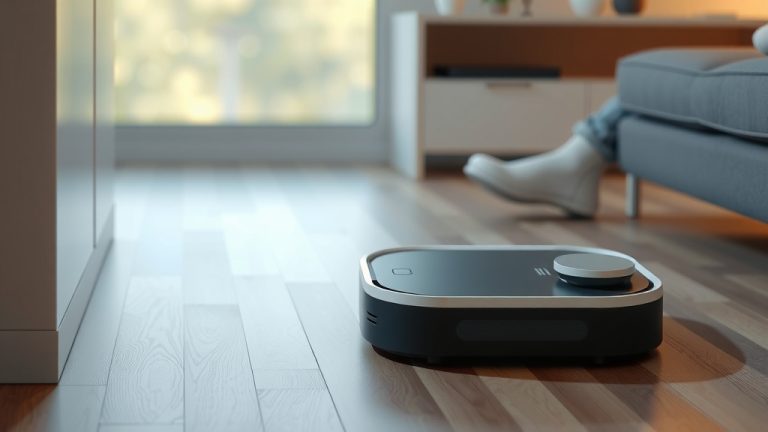
The outer shell of a robotic vacuum isn’t just for show. It’s typically made from durable plastic that can withstand bumps and collisions with furniture. Most models have a low-profile design—usually around 3 to 4 inches tall—which allows them to fit under beds, sofas, and other low-clearance furniture where dust loves to hide.
Inside this sleek exterior, you’ll find an intricate arrangement of motors, circuits, sensors, and mechanical parts all working together seamlessly. It’s like a miniature factory on wheels, except instead of producing goods, it’s producing cleanliness.
The Brush System
Most robotic vacuums feature a combination of brushes designed to tackle different types of debris. You’ll typically find:
- A main rotating brush (or brushes) that agitates debris from carpet fibers and floor surfaces
- Side brushes that sweep dirt toward the center of the vacuum
- Edge cleaning bristles that target dust along walls and corners
These brushes spin at different speeds and angles to maximize dirt collection. It’s similar to how a street sweeper uses different tools—a large broom for the main area and a smaller brush for the edges.
The Suction Motor
The heart of any vacuum’s cleaning power is its suction motor. Robotic vacuums use electric motors that create negative pressure, pulling air and debris into the dustbin. Unlike some traditional vacuums that rely purely on powerful suction, robotic models often balance suction strength with battery efficiency since they need to operate for extended periods.
Navigation Technology: How Your Robot Finds Its Way
Perhaps the most impressive aspect of robotic vacuum technology is how these machines navigate your home without getting stuck or confused. This is where things get really interesting.
LIDAR and Laser-Based Mapping
Many premium robotic vacuums use LIDAR technology, which stands for Light Detection and Ranging. Don’t let the technical term intimidate you—here’s how it works in simple terms: the vacuum emits laser pulses that bounce off objects in your home and return to the sensor. By measuring how long these pulses take to return, the vacuum calculates the distance to walls, furniture, and obstacles.
This creates a detailed map of your home that the vacuum uses to plan its cleaning route. It’s similar to how a bat navigates in the dark using echolocation, except instead of sound waves, we’re using light.
Camera-Based Navigation
Some robotic vacuums use onboard cameras that capture images of your home and use artificial intelligence to understand the environment. These systems can recognize objects, identify room layouts, and even detect obstacles that might be missed by laser sensors alone. The camera system processes visual information rapidly, allowing the robot to navigate with impressive accuracy.
Creating and Updating Floor Maps
When you first turn on your new robotic vacuum, it doesn’t magically know your home’s layout. Instead, it spends its initial runs creating a map. The vacuum methodically covers your floors, continuously updating its mental image of your space. Over time, this map becomes increasingly accurate and detailed.
What’s really clever is that modern robotic vacuums can update their maps if you move furniture around. They recognize that something’s changed and adjust their cleaning patterns accordingly. It’s like they’re learning and adapting to your home in real time.
The Sensor Network: Your Vacuum’s Eyes and Ears
Sensors are absolutely critical to how a robotic vacuum operates. Think of them as the robot’s sensory system, constantly gathering information about the environment.
Proximity Sensors
These sensors detect when objects are near the vacuum, helping it avoid collisions. They work by emitting invisible infrared light and measuring reflections. When the vacuum approaches a wall or a piece of furniture, the proximity sensor triggers the robot to slow down or change direction before impact occurs.
Drop-Off Sensors
Have you ever worried about your robotic vacuum tumbling down the stairs? Drop-off sensors prevent exactly that catastrophe. Located on the bottom of the vacuum, these sensors detect when the floor level suddenly changes. If your robot approaches a staircase, it immediately reverses direction and moves away from the edge.
This is one of those features that might seem simple, but it’s absolutely essential for safe operation in multi-level homes.
Bumper Sensors
The bumper that runs around the perimeter of the vacuum isn’t just a protective bumper—it’s also a sensitive sensor. When the robot physically touches an obstacle, the bumper compresses slightly, triggering sensors that alert the device to the collision. The vacuum then backs up and adjusts its course. It’s a tactile feedback system that works in combination with the other sensors.
Floor Detection Sensors
Some robotic vacuums can distinguish between different floor types using optical sensors. These sensors can identify whether the vacuum is on carpet, tile, hardwood, or laminate flooring. Based on this information, the vacuum automatically adjusts its suction power and brush speed. For example, it might increase suction on carpets where dirt embeds deeper and reduce suction on hard floors.
Battery Technology and Power Management
A robotic vacuum wouldn’t be very useful if it died halfway through cleaning your home. That’s why battery technology and power management are crucial considerations in their design.
Lithium-Ion Battery Systems
Most modern robotic vacuums use lithium-ion batteries, the same technology found in smartphones and laptops. These batteries offer several advantages: they’re relatively lightweight, they hold a charge for extended periods, and they can handle hundreds of charge cycles before degrading.
Depending on the model, a full charge typically allows for 90 minutes to 3 hours of continuous cleaning. For larger homes, this might mean the robot needs to return to its charging dock to recharge before completing the entire floor.
Automatic Charging Docks
When your robotic vacuum’s battery level drops below a certain threshold, it doesn’t panic or get confused. Instead, it immediately uses its mapping knowledge to locate its charging dock and returns there automatically. Once it arrives, it aligns itself with the charging contacts and begins recharging.
This is genuinely clever engineering. The vacuum can navigate back to its dock from almost anywhere in your home, which means you barely have to think about battery management at all.
Power Optimization Algorithms
Robotic vacuums use sophisticated algorithms to optimize power consumption. They adjust motor speeds, suction strength, and movement patterns based on the cleaning task at hand. When cleaning carpets, they might use more power; on hard floors, they dial it back to conserve battery. This intelligent power management extends cleaning time and reduces the need for frequent recharging.
Smart Connectivity Features: Your Vacuum in the Cloud
Modern robotic vacuums aren’t just autonomous—they’re also connected to the internet, which opens up possibilities that would have seemed like science fiction just a few years ago.
Wi-Fi Integration and App Control
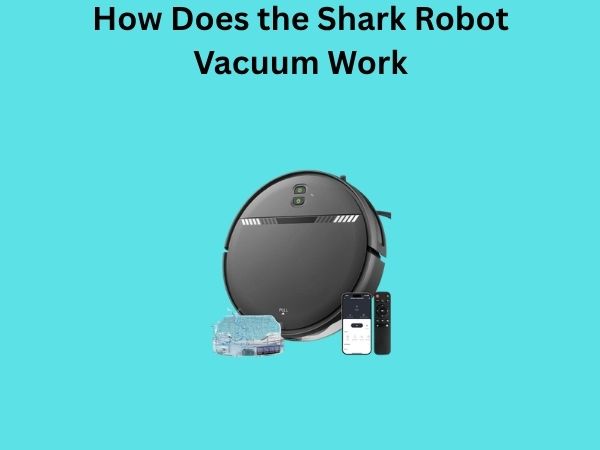
Most contemporary robotic vacuums connect to your home Wi-Fi network, allowing you to control them via smartphone apps. You can start a cleaning cycle, pause the robot, send it back to dock, or schedule automated cleaning sessions from anywhere in the world. Imagine being at work and realizing you have unexpected guests coming over—you can simply open your phone and start the vacuum remotely.
Voice Assistant Compatibility
Integration with voice assistants like Alexa and Google Assistant has become standard on many models. This means you can simply say, “Alexa, start the vacuum,” and your robot springs into action. It’s convenient and, frankly, makes controlling your home feel futuristic.
Real-Time Notifications and Reports
Your robotic vacuum can send you notifications about its activities. You’ll receive alerts when cleaning starts and completes, when the dustbin is full, when a filter needs cleaning, or if the robot encounters a problem. Some models even provide cleaning statistics, showing you which areas received the most attention and how much dirt was collected.
How Robotic Vacuums Avoid Obstacles and Navigate Stairs
One of the questions people ask most frequently is how a robotic vacuum doesn’t get stuck under the couch or crash into everything. The answer lies in the combination of sensors and intelligent decision-making algorithms working together.
Obstacle Detection Hierarchy
Your robotic vacuum uses a layered approach to obstacle detection. First, it uses its mapping system to know where obstacles are. Second, it uses proximity sensors to detect approaching obstacles. Third, it uses its bumper sensor to detect actual contact. This multi-layered approach creates redundancy—even if one system fails, the others still prevent collisions.
Handling Stairs and Level Changes
The drop-off sensors I mentioned earlier are specifically designed to protect against stair falls. These sensors continuously monitor the floor directly beneath the vacuum. If they detect a sudden drop, the vacuum’s logic immediately categorizes this as a danger and reverses away from the edge.
It’s worth noting that robotic vacuums can only clean on the level where they’re placed. If you want to clean multiple floors, you’d need to manually move the vacuum to each level, or you’d need multiple units.
Dealing with Obstacles Like Pet Toys and Cables
Robotic vacuums are surprisingly good at navigating around small obstacles on the floor. Their low profile helps them avoid many common hazards, and their sensors help them detect and navigate around items like pet toys, cables, and other debris that might block a traditional vacuum.
That said, it’s still a good idea to do a quick floor sweep before running your robot, removing any particularly tangled cables or small objects that could interfere with its operation.
The Dirt Collection and Filtration Process
Once your robotic vacuum picks up dust and debris, it needs somewhere to store it. Understanding this process helps explain why maintenance is important.
The Dustbin Design
Robotic vacuum dustbins are typically much smaller than those on upright or canister vacuums, holding anywhere from 0.3 to 0.7 liters of debris depending on the model. Because of this limited capacity, you’ll need to empty the bin more frequently than with traditional vacuums—usually after every one to three cleaning sessions.
Most models make this convenient with easy-release dustbins that pop out of the vacuum body with a single button press.
Filtration Technology
As air flows through the vacuum from the floor, it passes through filters that capture dust, allergens, and fine particles. Most robotic vacuums use multi-stage filtration systems:
- Primary filters that catch larger particles
- HEPA filters that trap microscopic allergens and dust mites
- Additional filters that capture odors
These filters need regular cleaning or replacement. Many models alert you when filters require attention, helping you maintain optimal performance and air quality.
Debunking Common Myths About Robotic Vacuums
There’s a lot of misinformation floating around about robotic vacuums, so let me address some of the most common misconceptions.
Myth One: Robotic Vacuums Can Replace Traditional Vacuums Entirely
While robotic vacuums are excellent for regular maintenance cleaning, they can’t completely replace traditional vacuums for deep cleaning. They’re better thought of as a complement to your cleaning arsenal rather than a replacement. They excel at maintaining clean floors between deeper cleaning sessions.
Myth Two: They Can Climb Stairs
I wish I had to debunk this one because it would be amazing, but no—robotic vacuums cannot climb stairs. They’re designed to stay on flat surfaces for safety reasons. If you have multiple levels in your home, you’d need to move the vacuum between levels manually or purchase multiple units.
Myth Three: They Get Stuck Constantly
Modern robotic vacuums with advanced sensors and mapping technology rarely get stuck. They’re far more capable than older models. That said, cluttered homes with lots of items on the floor will present more challenges than minimalist spaces.
Myth Four: They’re Noisy and Disruptive
Most robotic vacuums operate at around 60-70 decibels, which is comparable to normal conversation. They’re quieter than traditional upright vacuums and can run during working hours or while you’re watching television without being excessively disruptive.
Robotic Vacuums Versus Traditional Vacuums: A Detailed Comparison
Understanding how robotic vacuums work helps illuminate how they compare to traditional cleaning methods. Let me break this down for you.
Cleaning Power and Effectiveness
Traditional vacuums typically have stronger suction because they can draw power continuously from wall outlets. Robotic vacuums must balance suction power with battery constraints. For routine maintenance cleaning, robotic vacuums perform excellently. For deep cleaning carpets, traditional vacuums usually have the edge.
Convenience and Time Savings
This is where robotic vacuums shine. They work autonomously, which means you can schedule them to clean while you’re asleep, at work, or running errands. You don’t have to push them around or exert physical effort. For busy people, this convenience is genuinely life-changing.
Coverage and Flexibility
Traditional vacuums give you complete control over where you clean and how thorough you want to be. Robotic vacuums follow programmed patterns and