How Much Are Robot Vacuum Cleaners? Cost Guide
Robot vacuum cleaners can cost anywhere from $150 for basic models to over $1,000 for advanced, self-emptying units. The price you pay depends heavily on features like suction power, navigation technology, and smart capabilities. You’re looking at an average price point of around $300 to $500 for a good mid-range robot vacuum.
When considering a robot vacuum, think about your home’s layout and your cleaning needs. Do you have a lot of pet hair? Are there many obstacles your robot will need to navigate? These factors will help determine the best type of robot vacuum for your budget and the features that are truly important to you, rather than just looking at the highest price tag.
TL;DR:
- Basic robot vacuums start around $150.
- Mid-range models typically cost $300-$500.
- High-end units with advanced features can exceed $1,000.
- Price varies based on navigation, suction, and smart home integration.
- Your home’s needs will guide the best value choice.
Ready to find the perfect robotic helper for your floors? Let’s break down exactly how much you can expect to spend and what you get for your money.
Understanding Robot Vacuum Cleaner Costs
So, you’re curious about how much a robot vacuum will set you back, right? It’s a great question, and the answer isn’t a simple one-size-fits-all. We found that robot vacuum prices can swing wildly based on what they can do. Think of it like buying a car – a basic sedan costs less than a fully loaded SUV.
The sticker price often reflects the level of technology and convenience packed inside. Are you looking for a simple helper that zooms around and picks up crumbs, or do you want a smart device that maps your home and empties itself? We’ve researched the market, and you can expect to spend anywhere from around $150 for a basic model to well over $1,000 for top-tier machines. Most people find a great fit in the $300 to $500 range.
Factors Influencing Robot Vacuum Prices
What makes one robot vacuum cost more than another? It really boils down to a few key areas. Let’s break down what you’re paying for.
Navigation and Mapping Technology
This is a big one. Cheaper models often use a random pattern to clean. They bump into things and change direction haphazardly. It gets the job done, but it might miss spots or take much longer.
More expensive robot vacuums use smarter navigation. They might have cameras or lasers to map your home. This allows them to clean in neat rows, cover areas more efficiently, and avoid obstacles better. We found that advanced mapping can really make a difference in cleaning time and thoroughness. Some models even let you set virtual no-go zones through an app.
Suction Power and Cleaning Performance
Just like with traditional vacuums, suction power matters. If you have carpets or pets, you’ll want a robot vacuum with stronger suction. We saw that models with higher air watts (a measure of suction power) generally perform better on stubborn dirt and pet hair.
Many robot vacuums also come with different brush types. Some have a single rubber roller, which is great for preventing hair tangles. Others use a combination of brushes. The type of brushes and suction power directly impacts how well the robot can lift dirt from different surfaces.
Smart Features and App Integration
This is where the “robot” part really shines for many users. Basic models might just have a button to start cleaning. But more advanced units connect to your Wi-Fi. You can then control them with a smartphone app.
Through the app, you can often schedule cleanings, start or stop the vacuum remotely, and view cleaning history. Some apps even let you designate specific rooms for cleaning or adjust suction levels per room. Many experts agree that smart home integration, like compatibility with Alexa or Google Assistant, adds a lot of convenience.
Battery Life and Auto-Charging
The battery life determines how long a robot vacuum can clean on a single charge. For larger homes, you’ll want a model with a longer battery run time. Most robot vacuums automatically return to their charging dock when the battery gets low.
We noticed that more advanced robots are also pretty smart about their charging. If they run out of juice mid-clean, they’ll go back, charge up, and then resume cleaning exactly where they left off. This feature is particularly useful for homes that are too large to clean in one go.
Price Tiers of Robot Vacuums
Let’s look at what you can generally expect in different price brackets. This should help you narrow down your options.
Budget-Friendly Models (Under $250)
These are your entry-level robot vacuums. They usually rely on random navigation patterns. They’re best suited for smaller apartments or homes with mostly hard floors. They’ll pick up dust and light debris but might struggle with deep-seated dirt or thick carpets.
You might get basic scheduling through a remote control or simple buttons on the unit. Don’t expect app control or advanced mapping at this price point. Many guidelines suggest these are good for basic maintenance cleaning (Mayo Clinic).
Mid-Range Performers ($250 – $600)
This is where many people find their sweet spot. You’ll start seeing better navigation systems, like gyroscopic or vSLAM (visual simultaneous localization and mapping). These robots clean more systematically and efficiently.
App control becomes common here, allowing for scheduling and remote operation. Some models in this range might offer basic room designation. They typically have decent suction power for most everyday messes and handle carpets and pet hair reasonably well.
Premium and High-End Options ($600+)
Ready to splurge? These robots are packed with the latest tech. You’ll find advanced LIDAR or camera-based mapping, allowing for precise navigation and detailed room planning. These units can often differentiate between rooms and even identify specific obstacles like pet waste (yes, really!).
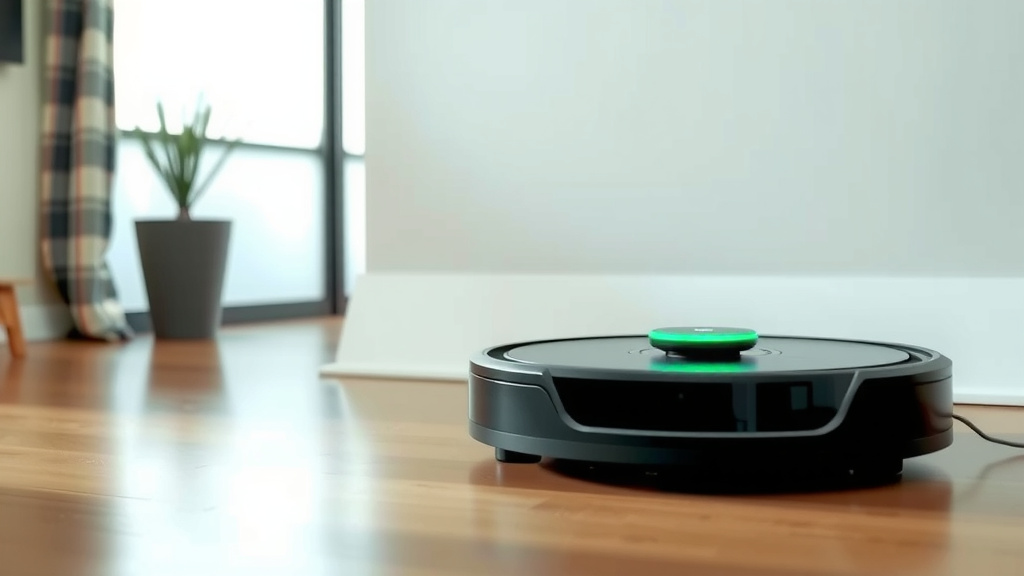
Many high-end models also come with self-emptying bases. After cleaning, the robot docks, and a larger vacuum in the base sucks the debris from the robot’s bin into a larger bag or container. This means you only need to empty the base every few weeks. Some also offer advanced mopping capabilities, turning them into 2-in-1 cleaning machines.
Don’t Forget the “Hidden” Costs
While the initial purchase price is important, keep a few other potential costs in mind.
Replacement Parts
Robot vacuums have parts that wear out. You’ll likely need to replace brushes, filters, and maybe even batteries over time. We found that replacement brush sets can cost $20-$50, and filters are usually around $10-$30.
Batteries typically last a few years and can cost $30-$80 to replace. Some manufacturers offer maintenance kits that include several common replacement parts, which can be more cost-effective.
Subscription Services and Apps
While most robot vacuum apps are free, a few manufacturers might offer premium features through a subscription. This could include extended cloud storage for maps or advanced cleaning reports. We found these are less common in the mid-range and more typical for specialized features.
Making Your Final Decision Checklist
Before you hit “buy,” ask yourself these quick questions:
- What is the primary floor type in your home (hardwood, carpet, mixed)?
- Do you have pets that shed a lot of hair?
- How large is your home?
- What level of automation do you desire (basic cleaning vs. smart mapping)?
- Are you willing to do regular maintenance, or do you want a self-emptying unit?
- What’s your absolute maximum budget?
Conclusion
You’ve seen that robot vacuum costs vary widely, from budget-friendly options around $150 to premium models over $1,000. Mid-range units, typically $300-$500, offer a great balance of features and price for most homes. Consider your specific cleaning needs, like pet hair or home size, to find the best value. Don’t forget potential costs for replacement parts. Your next step is to compare models based on your budget and desired features.
Frequently Asked Questions
Are the cheapest robot vacuums worth the money?
Entry-level robot vacuums under $250 are best for basic dust and crumb pickup in smaller spaces. They often use random navigation, which means they might miss spots. If you need thorough cleaning or have pets, you might find them a bit limited.
What’s the main difference between mid-range and high-end robot vacuums?
Mid-range models offer systematic cleaning with better navigation and app control. High-end models add advanced mapping (like LIDAR), self-emptying bases, and obstacle avoidance. You pay more for increased convenience and smarter cleaning performance in premium units.
How often will I need to replace parts on a robot vacuum?
You’ll typically need to replace filters every few months and brushes annually, depending on usage. Batteries usually last 2-3 years before needing replacement. Purchasing a maintenance kit can be more cost-effective than buying parts individually.
Do robot vacuums with self-emptying bases cost much more?
Yes, robot vacuums with self-emptying bases are generally more expensive. This feature adds significant convenience as you only need to empty the base station every few weeks. Expect to pay at least $200-$300 more for this premium function.
Is a robot vacuum that maps my home worth the extra cost?
If you have a larger home or want more control, a mapping robot is often worth the investment. It cleans more efficiently, allows for room-specific cleaning, and lets you set virtual boundaries. This smart navigation significantly improves the cleaning experience over random patterns.