
How Good Are Robot Vacuum Cleaners for Homes? A Comprehensive Honest Review
If you’re tired of pushing around a heavy vacuum cleaner on weekends, you’ve probably wondered whether robot vacuums are worth the investment. I mean, who wouldn’t want a little cleaning robot to handle the dirty work while you relax with a cup of coffee? But here’s the real question: do these futuristic gadgets actually deliver on their promises, or are they just expensive toys that get stuck under your couch?
After researching countless models and examining real-world performance data, I’m here to give you the honest truth about robot vacuum cleaners. Let’s dive deep into what makes them useful, where they fall short, and whether they’re the right choice for your home.
Understanding What Robot Vacuum Cleaners Actually Are
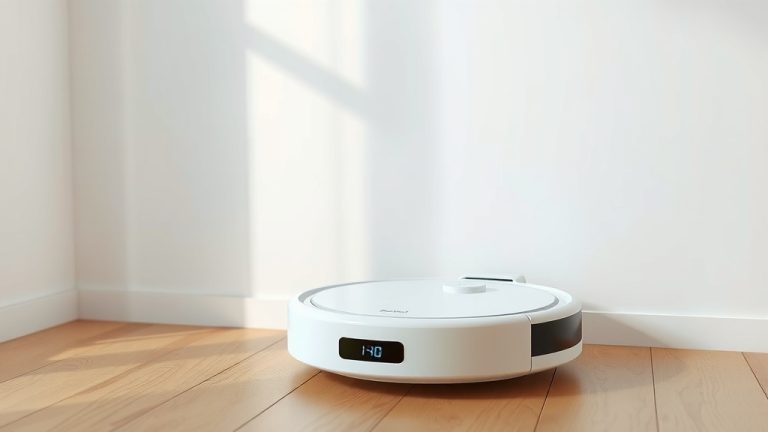
Before we judge these machines too harshly, let’s understand what we’re dealing with. A robot vacuum cleaner is essentially a disc-shaped device that autonomously navigates your floors, sucking up dust, pet hair, and debris as it goes. Think of it as a miniature version of a traditional upright vacuum, but with artificial intelligence that allows it to map your home and clean without you lifting a finger.
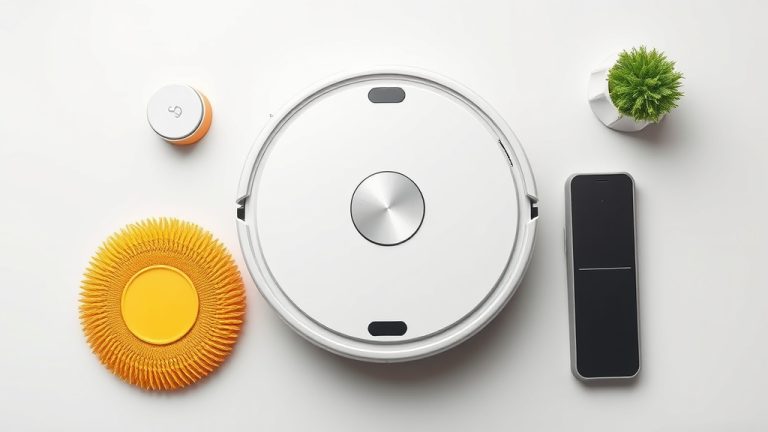
These devices come equipped with sensors, brushes, dustbins, and varying levels of suction power. Some models are basic and bump around randomly, while others use sophisticated mapping technology to create a strategic cleaning route. It’s this variation that makes the answer to “how good are they?” so complicated.
The Real Strengths of Robot Vacuums
Convenience That Actually Works
Let’s be honest—the biggest advantage of robot vacuums is pure convenience. You can schedule them to clean while you’re at work, sleeping, or spending time with family. Imagine waking up to already-clean floors without lifting a single finger. That’s not just nice; it’s genuinely life-changing for busy professionals and parents.
I’ve found that this convenience factor alone justifies the investment for many households. Instead of dedicating your Saturday morning to vacuuming, you could be doing something that actually matters to you. The robot vacuum becomes your silent partner in maintaining a clean home.
Consistent Daily Cleaning
One overlooked benefit is consistency. Most of us vacuum once a week, maybe twice if we’re motivated. Robot vacuums, however, can run daily—even multiple times per day if you want. This means your floors stay cleaner on average throughout the week.
Think about it like brushing your teeth. Daily gentle brushing keeps your teeth healthier than once-a-week aggressive scrubbing. Similarly, daily light vacuuming maintains better overall floor cleanliness than sporadic intensive cleaning sessions.
Perfect for Certain Home Types
Robot vacuums absolutely shine in specific environments:
- Open floor plans with hardwood or tile flooring
- Homes with minimal furniture and obstacles
- Apartments with small square footage
- Homes with primarily low-pile carpet
- Households with people who have mobility issues
If your home fits these criteria, you’ve likely found your perfect cleaning companion. The technology works particularly well when it has space to operate freely.
Smart Home Integration
Modern robot vacuums integrate beautifully with smart home ecosystems. You can control them via smartphone apps, voice assistants, and automated routines. Want your vacuum to run before guests arrive? Just set it up. Need to send it to clean the kitchen after dinner? Done. This integration makes them feel less like appliances and more like helpful household members.
The Honest Limitations You Should Know About
Stairs Are Their Kryptonite
Here’s the first major limitation: robot vacuums cannot climb stairs. If your home has multiple levels, you’ll need separate devices for each floor or stick with traditional vacuums for upstairs areas. This is a deal-breaker for many two-story homes.
Carpet Challenges
While robot vacuums can handle carpet, they struggle with thick, high-pile varieties. If your home is carpeted with plush material, a robot vacuum simply won’t provide the deep cleaning you’d get from a traditional upright or canister vacuum.
The suction power and brush design, while adequate for flat surfaces, can’t penetrate deep into thick carpet fibers. It’s like trying to vacuum with one hand tied behind your back.
Smaller Dustbin Means Frequent Emptying
Robot vacuums have compact dustbins compared to traditional vacuums. For large homes or homes with pets, you might need to empty the bin every couple of days. Some newer models offer self-emptying stations that dump debris into larger containers, but these add significant cost.
Navigation Issues and Getting Stuck
Despite advances in mapping technology, robot vacuums still get stuck. They struggle with:
- Cords and cables left on the floor
- Thick-edged rugs and transitions
- Pet toys scattered about
- Low-hanging furniture
- Tight spaces and corners
This means you need to actively prepare your home before each cleaning session, which defeats some of the convenience factor.
Cannot Handle Stairs or Obstacles
Beyond just stairs, robot vacuums cannot navigate other vertical obstacles. They won’t clean furniture, baseboards, or elevated surfaces. They’re ground-level only, which significantly limits their comprehensive cleaning ability.
Suction Power: How It Actually Compares
Robot vacuum manufacturers love quoting suction power in pascals or kilopascals. But what does this really mean for your home?
The truth is that even high-end robot vacuums typically deliver less suction power than mid-range traditional vacuums. However, their continuous operation throughout the day can compensate for this weakness. A robot vacuum running daily might pick up more total debris than a weekly traditional vacuum session.
The key is matching the right suction power to your specific needs. Light dust and pet hair require different power levels than homes with heavy traffic and multiple pets.
Pet Hair: A Specific Test Case
Good News for Pet Owners
If you have pets, here’s encouraging news: robot vacuums with specialized pet-hair brushes can handle moderate shedding quite well. Daily cleaning prevents hair from accumulating, which is actually better than weekly intensive cleaning for pet homes.
However—and this is crucial—they struggle with extreme shedding situations. During heavy shedding seasons, or with multiple large shedding dogs, a robot vacuum alone won’t suffice. You’ll still need a traditional vacuum as backup.
Maintenance Requirements
Pet hair requires more frequent maintenance of the robot vacuum itself. You’ll need to clean the brush rollers regularly to prevent hair wrapping and mechanical failure. This maintenance requirement often surprises new owners.
Cost Considerations: Are They Worth the Price?
The Budget Range
Robot vacuums range from around $200 for basic models to over $1,500 for premium options with self-emptying stations and advanced mapping. This is a significant investment that requires careful consideration.
Calculating Your Return on Investment
Think about what you’d do with the time saved. If you currently spend two hours weekly on vacuuming, that’s 104 hours annually. What’s the monetary value of that time for you? Additionally, factor in the convenience of cleaner floors maintained throughout the week.
For some households, the investment pays for itself in improved quality of life within a year. For others, it’s simply not worth the expense.
Smart Mapping vs. Random Cleaning: Does It Matter?
Older robot vacuums used random navigation patterns, bumping around like tiny drunk robots. Modern ones use lidar or camera-based mapping to create intelligent routes. This matters significantly.
Mapped cleaning is faster, more efficient, and more thorough. If you’re purchasing a robot vacuum in 2024 or later, ensure it has mapping capability. The price difference is worth it.
Noise Levels: A Hidden Consideration
Robot vacuums are surprisingly quiet compared to traditional vacuums, typically operating at 60-75 decibels. This is comparable to normal conversation volume. However, if you have a sound-sensitive home, even this level might be noticeable during the night.
Before purchasing, check the specific model’s decibel rating if you plan to run it while working from home or late at night.
Battery Life and Charging Cycles
Most robot vacuums run for 60 to 120 minutes per charge, covering 1,000 to 2,500 square feet depending on the model. This is sufficient for most homes, but larger properties might need the vacuum to return to base and recharge mid-cleaning.
Battery longevity is another consideration. Like all lithium batteries, robot vacuum batteries degrade over time. Quality models should maintain 80% capacity for at least two years.
Comparison: Robot Vacuums vs. Traditional Vacuums
When Robot Vacuums Win
- Convenience and automation
- Consistent daily maintenance
- Low-effort operation
- Great for open floor plans
- Ideal for busy professionals
When Traditional Vacuums Win
- Handling stairs and multiple levels
- Deep carpet cleaning
- Dealing with extreme pet shedding
- Flexible, immediate cleaning
- Lower initial investment
- No maintenance required
The Hybrid Approach: Best of Both Worlds
Many households benefit most from a hybrid approach: using a robot vacuum for daily maintenance and keeping a traditional vacuum for deep cleaning, stairs, and furniture. This combination provides comprehensive cleaning without the compromises of either method alone.
Think of it as having a reliable assistant who handles routine work while you retain the ability to tackle bigger jobs when necessary.
Installation and Setup: Easier Than You’d Think
Despite their sophistication, robot vacuums are surprisingly straightforward to set up. Most require just charging, placing the base station, and downloading an app. Within an hour, you’ll have your first cleaning cycle running.
However, preparation is key. Creating “no-go zones” with virtual boundaries or physical barriers ensures your vacuum stays where you want it.
Brand Reliability and Warranty Considerations
Not all robot vacuums are created equal. Established brands with strong customer support are crucial because these machines are complex. Look for warranties covering at least two years and companies with responsive customer service.
Reading genuine user reviews specifically mentioning long-term reliability will serve you better than manufacturer specifications.
Making Your Final Decision
So, how good are robot vacuum cleaners? The honest answer is: it depends entirely on your specific situation.
A robot vacuum is excellent if you:
- Have a single-story home or open floor plan
- Have mostly hard flooring or low-pile carpet
- Want to minimize cleaning effort
- Have a reasonable budget for the upfront investment
- Can keep your floors relatively clutter-free
- Don’t have extreme pet shedding issues
A robot vacuum is less ideal if you:
- Have multiple stories to clean
- Have thick, high-pile carpeting throughout
- Have extreme pet shedding
- Have a very tight budget
- Have many obstacles and clutter
- Require deep weekly carpet cleaning
Conclusion
Robot vacuum cleaners represent a genuine advancement in home cleaning technology, but they’re not a universal solution. They excel at what they’re designed to do: maintain consistently clean floors with minimal effort in suitable homes.
The key to satisfaction is setting realistic expectations. These machines won’t replace all vacuuming responsibilities, particularly in complex homes with stairs and thick carpeting. However, for the right household, they genuinely transform daily cleaning from a chore into an automated process.
Rather than asking whether robot vacuums are good in general, ask yourself whether they’re good for your specific home, lifestyle, and budget. Do an honest assessment of your cleaning needs, home layout, and willingness to maintain these devices. Then, if the answer is yes, you’ll find that a quality robot vacuum becomes an invaluable household member that keeps your home cleaner while giving you back precious time.
Frequently Asked Questions
Are robot vacuums worth the money for small apartments?
Yes, robot vacuums are particularly worthwhile for small apartments. In compact spaces with open layouts, robot vacuums provide excellent value. They maintain consistent cleanliness without consuming living space, and their smaller size means lower costs compared to larger homes. For apartment dwellers, the convenience factor is especially valuable since vacuuming in tight quarters is more cumbersome than in larger homes.
Can robot vacuums handle pet hair effectively?
Robot vacuums can handle moderate pet shedding quite well, especially with models designed specifically for pet hair. Daily operation actually works better than weekly vacuuming for pet homes because hair doesn’t accumulate. However, if you have multiple large dogs or extreme shedding situations, you’ll need a traditional vacuum as backup. The key is consistent maintenance of the robot vacuum’s brush rollers to prevent hair wrapping.
Do robot vacuums get stuck often?
Modern robot vacuums with mapping technology get stuck less frequently than older random-navigation models, but it still happens. They commonly encounter issues with cords, thick rug edges, toy obstacles, and tight spaces. Keeping your floors relatively clutter-free dramatically reduces getting-stuck incidents. Self-emptying models tend to have better obstacle avoidance due to higher-end sensors and mapping systems.
How often do I need to empty a robot vacuum’s dustbin?
For most households, emptying occurs every two to five days depending on home size and debris levels. Homes with pets or heavy foot traffic require more frequent emptying. Standard models need manual emptying, while self-emptying models dump their contents into larger containers that only need emptying every few weeks. This is an important maintenance factor to consider before purchasing.
Will a robot vacuum work on my thick carpeting?
Robot vacuums struggle with thick, high-pile carpet. They work best on hard floors, low-pile carpet, and flat surfaces. If your home has predominantly plush or shag carpeting, a traditional vacuum will provide significantly better deep-cleaning results. However, if you have mostly hard floors with occasional carpet areas, a robot vacuum handles this mixed situation reasonably well.
“`