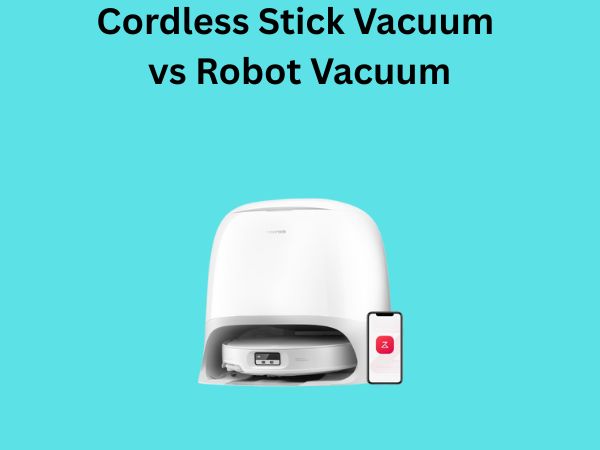
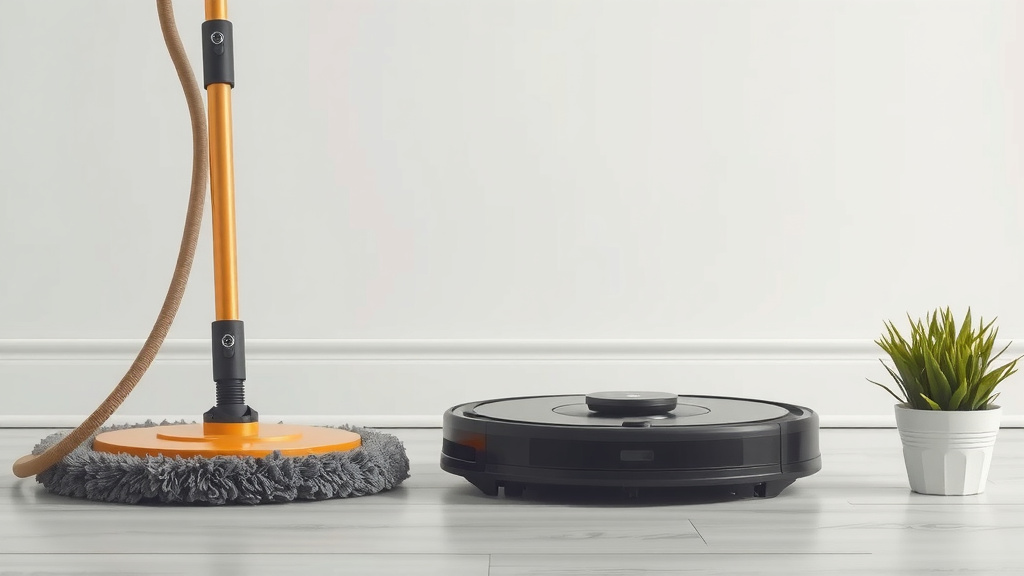
Robot Mop vs Robot Vacuum: Which is Best for You
When deciding between a robot mop and a robot vacuum, consider that robot vacuums are generally more versatile for everyday floor cleaning, while robot mops excel at tackling sticky messes. Robot vacuums are designed to suck up dust, debris, and pet hair from various floor types, making them a go-to for general upkeep. Robot mops, on the other hand, use water and cleaning solution to scrub your floors, leaving them looking shiny and fresh. You might need both for truly spotless floors.
Choosing the right automated cleaner depends heavily on your home’s needs. If you have mostly carpets and hard floors with everyday dirt, a robot vacuum might be your best bet. If spills and grime are a constant battle on your hard floors, a robot mop could be the cleaner you’ve been dreaming of. We found that many households benefit most from owning both, or a hybrid model that can do both jobs.
- Robot vacuums are best for general dirt, dust, and pet hair on all floor types.
- Robot mops are for tackling sticky messes and providing a deeper clean on hard floors.
- Consider your floor types and the main cleaning challenges in your home.
- Many people find a combination of both, or a hybrid model, offers the best results.
- Think about your budget and how much time you want to save.
Let’s break down the pros and cons of each so you can pick the perfect cleaning companion for your home.
Robot Vacuums Versus Robot Mops: What’s the Difference?
Picking between a robot vacuum and a robot mop can feel like choosing a favorite child. Both promise less chore time. But they do very different jobs. Think of a robot vacuum as your daily dust bunny hunter. It’s great for sweeping up everyday messes. A robot mop, on the other hand, is more like your special occasion scrubber. It tackles sticky spots and grime. We found that understanding this core difference helps a lot.
Robot Vacuums: Your Go-To for Daily Dirt
Robot vacuums are designed to keep your floors tidy day in and day out. They use suction to pull in dirt, dust, pet hair, and small debris. Many have rotating brushes that agitate carpets and hard floors to loosen stubborn particles. We found that for homes with pets or lots of foot traffic, a robot vacuum is a real lifesaver.
What Robot Vacuums Do Best
These little helpers are fantastic for preventing buildup. They can navigate around furniture and under beds, reaching spots you might miss. If you have carpets, a robot vacuum is essential. It can help keep them free of crumbs and pet dander. For hard floors, they do a good job of collecting surface debris. Many models now come with smart features, allowing you to schedule cleanings via an app.
Limitations of Robot Vacuums
While great for dry debris, robot vacuums aren’t built for wet messes. They can’t really handle spills or sticky residue. Trying to vacuum up liquid could damage the machine. Some advanced models have a mopping function, but it’s usually a light wipe-down. It’s not a deep clean. We found that they are not a substitute for a proper mop for serious spills.
Robot Mops: Tackling the Tough Stuff
Robot mops are specialists. Their main job is to scrub your hard floors. They typically use water and a cleaning solution to loosen and wipe away grime. They don’t suck up debris like vacuums. Instead, they focus on moisture and agitation to clean. If your floors constantly have dried-on food or muddy paw prints, a robot mop might be what you need.
Strengths of Robot Mops
These devices shine on hard surfaces like tile, laminate, and sealed hardwood. They can leave your floors looking noticeably cleaner and shinier. For kitchens and entryways that get a lot of foot traffic, they’re excellent. Some models use spinning pads for a more vigorous scrub. Others use vibrating pads to break down tough stains. We found that the results can be quite impressive for sticky situations.
Where Robot Mops Fall Short
Robot mops are not designed for carpets. They will simply try to mop them if they encounter one, which isn’t ideal. They also don’t pick up loose debris. You usually need to vacuum first to remove dust and dirt. Otherwise, you’ll just be pushing around a muddy mess. This means you’ll likely need a separate vacuum. Think of them as a partner to your vacuum, not a replacement.
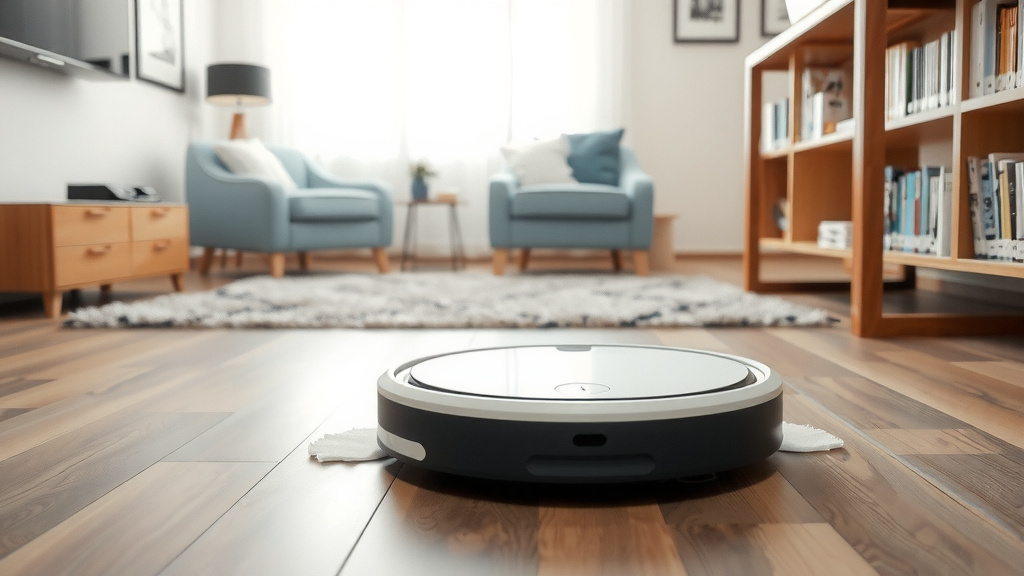
Robot Vacuum vs. Robot Mop: A Direct Comparison
Let’s lay it out clearly. The core difference is their primary function. One sucks, the other scrubs. Here’s a quick look:
| Feature | Robot Vacuum | Robot Mop |
|---|---|---|
| Primary Function | Suction and debris collection | Scrubbing and wet cleaning |
| Best For | Dust, pet hair, crumbs, general dirt | Sticky messes, grime, spills on hard floors |
| Floor Types | All (hard floors & carpets) | Hard floors only (tile, laminate, sealed wood) |
| Pre-Cleaning Needed? | Rarely needed | Yes, vacuuming is usually recommended first |
| Wet Messes? | No | Yes, this is their specialty |
Hybrid Models: The Best of Both Worlds?
Many newer robot cleaners are hybrids. They combine vacuuming and mopping capabilities in one unit. These can be a great compromise if you want both functions. They often have a dustbin and a water tank. Some can vacuum and mop at the same time. Others require you to switch attachments or modes. We found that while convenient, the mopping on many hybrids isn’t as robust as a dedicated mop. It’s often more of a light damp cloth. But for busy households, they can be a fantastic all-in-one solution.
What Kind of Cleaner is Right for Your Home?
To decide, ask yourself a few key questions:
- What are your primary floor types? Lots of carpet or mostly hard floors?
- What are the biggest messes you deal with? Dry dirt and pet hair, or sticky spills and grime?
- How much time do you want to save on cleaning chores?
- What is your budget?
If you have a mix of carpets and hard floors and mainly deal with dust and pet hair, a good robot vacuum is likely your priority. If your hard floors are constantly battling spills and dried-on messes, a robot mop or a hybrid might be a better fit. Many experts suggest that for truly immaculate floors, having both a dedicated vacuum and a dedicated mop (or a very capable hybrid) is the ultimate cleaning setup.
Making the Choice for a Cleaner Home
Ultimately, the best robot cleaner for you depends on your unique needs. Consider the types of messes you face most often. Think about the surfaces in your home. Do you want a device that handles everyday dust? Or one that can tackle a sticky juice spill? For many people, the answer isn’t “either/or” but “both/and.” A robot vacuum for daily upkeep and a robot mop for deeper cleaning can transform your chore routine. Or, a good hybrid can offer a solid balance. We found that investing in the right automated cleaner can free up a lot of your time. It also helps maintain a cleaner living space with less effort.
Your Robot Cleaner Checklist
Before you buy, consider these points:
- Map your home: Does it have many rooms or complex layouts?
- Identify your mess types: Dry dust vs. sticky spills?
- Consider floor surfaces: Carpets, hardwood, tile, or a mix?
- Check for pet hair: This is a big one for vacuums!
- Budget matters: Prices range from basic to high-tech.
- Maintenance: How easy is it to clean and maintain the device?
Conclusion
You’ve learned that robot vacuums excel at daily dust and debris removal, while robot mops are your secret weapon against sticky messes on hard floors. Neither is a perfect replacement for the other, but they can be powerful partners in keeping your home clean. If you’re looking for maximum convenience and spotless floors, consider your home’s specific needs. Do you battle pet hair on carpets, or sticky spills in the kitchen? Based on your biggest cleaning challenges and floor types, you can make the right choice. For the ultimate clean, a combination of both or a capable hybrid might be your best path forward. Your next step is to assess your home’s unique cleaning demands and budget to pick the perfect automated cleaning companion.
Frequently Asked Questions
Can a robot mop clean my carpets?
No, robot mops are designed exclusively for hard floor surfaces like tile, laminate, and sealed wood. They use water and cleaning solutions, which would damage your carpets. Attempting to run a robot mop on carpet could harm the device and the carpet itself.
Do I need to vacuum before using a robot mop?
Yes, it’s highly recommended to vacuum first if you’re using a dedicated robot mop. Robot mops are designed to scrub away grime and sticky messes, not to pick up loose debris like dust, crumbs, or pet hair. Vacuuming beforehand ensures the mop is effectively cleaning, rather than just spreading dirt around.
Are hybrid robot vacuums worth the extra cost?
Hybrid models can be a great space and time saver if you want both vacuuming and mopping capabilities. We found that while convenient, their mopping function is often a lighter damp clean rather than a deep scrub. If you have significant mopping needs, a dedicated robot mop might still be superior, but for general maintenance, a hybrid can be an excellent all-in-one solution.
How often should I run my robot mop?
For best results, you might run your robot mop daily or every other day, especially in high-traffic areas like kitchens or entryways. This frequency helps prevent sticky messes from drying and becoming harder to remove. If your household doesn’t generate many spills, a few times a week might suffice.
Will a robot vacuum pick up larger debris like cereal pieces?
Most robot vacuums can handle small to medium-sized dry debris, including things like cereal pieces. Their suction power and brush designs are meant for common household crumbs and dirt. However, extremely large or wet items should be picked up manually to avoid damaging the vacuum.