
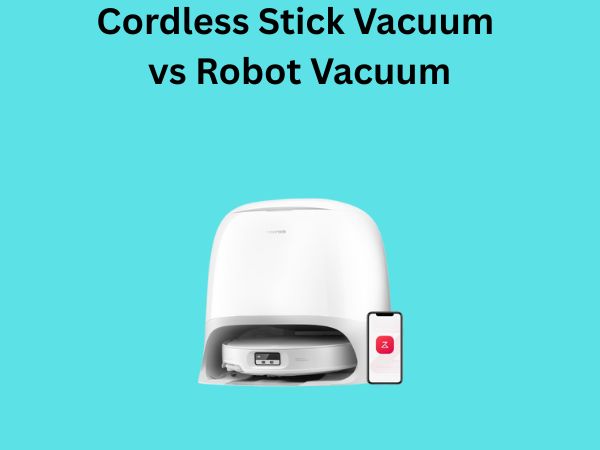
Cordless Stick Vacuum vs Robot Vacuum: Which Is Better for Your Home?
When it comes to keeping your home clean, the vacuum you choose can make all the difference. Gone are the days when you had just one or two options at your local appliance store. Today, the market is flooded with innovative cleaning solutions, and two of the most popular choices are cordless stick vacuums and robot vacuums. But which one should you bring into your home?
I’ve spent considerable time researching, testing, and comparing these two cleaning powerhouses, and I’m here to help you make an informed decision. Whether you’re dealing with hardwood floors, carpets, pet hair, or a combination of surfaces, understanding the strengths and weaknesses of each option is crucial.
Understanding the Basics: What Are We Working With?
Before we dive deep into the comparison, let’s establish what we’re actually talking about. Think of these two vacuums as representing two completely different philosophies of home cleaning.
What Is a Cordless Stick Vacuum?
A cordless stick vacuum is essentially a lightweight, portable cleaning device that runs on rechargeable battery power. It’s like holding a magic wand that sucks up dirt instead of casting spells. These vacuums are typically slim, easy to maneuver, and can handle various cleaning tasks from floors to furniture to even ceilings if you’re feeling ambitious.
The cordless stick vacuum is the evolved version of traditional upright vacuums. Without the cord tethering you to an outlet, you get freedom and flexibility. Most modern cordless stick vacuums offer runtime between 20 to 60 minutes per charge, which is usually sufficient for a typical home cleaning session.
What Is a Robot Vacuum?
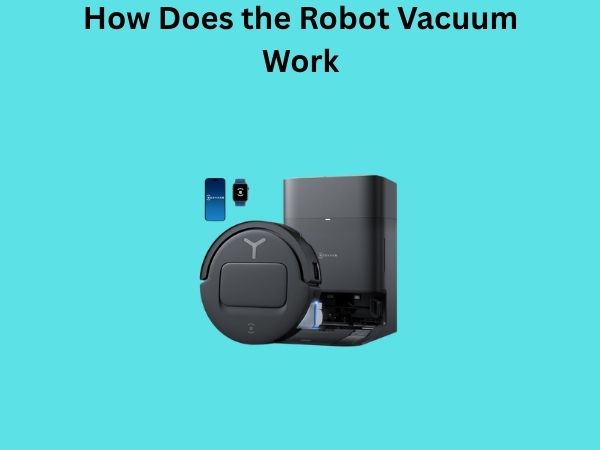
A robot vacuum is an autonomous cleaning device that operates on its own schedule. Imagine having a tiny cleaning robot that you can set loose in your home, and it’ll do the hard work while you relax with a coffee. These disc-shaped machines navigate your floors using sensors and artificial intelligence, mapping out your home and determining the most efficient cleaning path.
Robot vacuums are designed for convenience and hands-off operation. You schedule them to run, and they get to work automatically. Some models even have self-emptying capabilities, meaning you barely have to touch the dirt at all.
Performance and Cleaning Power: Who Wins the Battle?
Suction Strength and Effectiveness
When it comes to raw cleaning power, cordless stick vacuums typically take the crown. They offer stronger suction capabilities that can handle deep cleaning tasks, stubborn dirt, and embedded pet hair. If you have a household with multiple pets or children who bring in plenty of outdoor debris, a cordless stick vacuum’s superior suction power becomes immediately apparent.
Robot vacuums, on the other hand, have less powerful motors and rely more on intelligent navigation and repeated passes over surfaces. They’re excellent for maintenance cleaning but might struggle with heavily soiled areas or deep carpeting that requires aggressive suction.
Handling Different Floor Types
Cordless stick vacuums excel at transitioning between different surfaces. You can seamlessly move from hardwood to carpet to tile without missing a beat. Many models come with adjustable brush bars that automatically adapt to different floor types, ensuring optimal cleaning on each surface.
Robot vacuums work best on hard floors and low-pile carpets. High-pile carpets and rugs can be problematic, as the robot might get stuck or struggle to climb over the height difference. Additionally, they cannot handle stairs at all, which is a significant limitation for multi-level homes.
Convenience and Ease of Use: The Lifestyle Factor
Active Cleaning with Cordless Stick Vacuums
Let’s be honest—using a cordless stick vacuum requires your participation. You’re actively pushing and maneuvering the device, directing it where you want it to go. This means you can’t truly relax while cleaning, but you do have complete control over what gets cleaned and how thoroughly.
The advantage here is precision. You can target specific areas that need extra attention, clean under furniture, and address spills immediately. It’s like the difference between driving a car yourself versus being a passenger—one gives you control, the other offers relaxation.
Hands-Off Cleaning with Robot Vacuums
Robot vacuums are the ultimate convenience machine. Schedule them to run while you’re at work, sleeping, or out running errands. When you return, your floors have been cleaned without any effort on your part. It’s passive cleaning that fits seamlessly into your busy lifestyle.
However, this convenience comes with trade-offs. You need to prepare your space by picking up obstacles, closing doors to contain the robot, and ensuring no cables are lying around. You also can’t direct it to clean a specific spilled mess right away—it operates on its own schedule and logic.
Cost Considerations: Investment vs. Ongoing Expenses
Initial Purchase Price
Cordless stick vacuums range from budget-friendly options around $200 to premium models exceeding $700. You get what you pay for in terms of battery life, suction power, and additional features.
Robot vacuums typically cost more upfront, with entry-level models starting around $300 and high-end options reaching $1000 or more. The more advanced features like mapping, app control, and self-emptying capabilities push the price higher.
Long-Term Operating Costs
Cordless stick vacuums have minimal ongoing costs. Battery replacements might be needed after several years, but they’re relatively affordable. Maintenance mostly involves emptying the dust bin and occasional filter cleaning.
Robot vacuums have similar maintenance costs but consume more electricity due to frequent charging cycles. If you opt for models with automatic bag emptying, you’ll need to purchase replacement bags regularly, which adds up over time.
Storage and Space Requirements
Cordless Stick Vacuums: Compact and Wall-Mounted
Most cordless stick vacuums are designed with storage in mind. Many come with wall-mounted charging docks that serve double duty as storage solutions. They’re sleek, vertical, and don’t hog floor space like traditional vacuums. If you live in an apartment or have limited storage, a cordless stick vacuum is your friend.
Robot Vacuums: Docking Station Requirements
Robot vacuums need a dedicated docking station where they charge and, in many cases, empty their debris. This station requires floor space and should ideally be on hard flooring for optimal performance. If you have a tiny home or limited floor space, this could be a genuine consideration.
Maintenance and Durability: The Long-Term Picture
Upkeep Requirements for Each Type
Cordless stick vacuums require regular maintenance. You’ll need to empty the dust bin frequently, clean filters regularly, and occasionally check for debris wrapped around the brush bar. This hands-on approach means you’re always aware of your vacuum’s condition.
Robot vacuums require less frequent maintenance due to their lower suction power and less aggressive brush design. However, you’ll need to monitor their navigation sensors, ensure wheels are clean, and watch for tangled hair on the brush bar.
Battery Longevity and Replacement
Cordless stick vacuum batteries typically last 300 to 500 charge cycles before experiencing noticeable degradation. Replacement batteries are available and reasonably priced, usually between $50 to $150 depending on the model.
Robot vacuum batteries have similar lifespans and similar replacement costs. The advantage is that robot vacuums, using their batteries less intensively, might actually see better long-term battery performance.
Pet Hair and Allergen Handling: Critical for Pet Owners
Superior Pet Hair Performance
If you’re a pet owner, cordless stick vacuums are generally more effective at tackling pet hair. Their powerful suction and specialized pet hair attachments can handle even the most challenging fur situations. You can immediately clean up after your furry friend sheds.
Robot vacuums struggle more with pet hair, especially long hair that can wrap around brushes. However, some premium robot vacuums are specifically designed for pet households and do better than their basic counterparts.
HEPA Filtration and Air Quality
Both types of vacuums can feature HEPA filtration systems that capture allergens and improve indoor air quality. Cordless stick vacuums often excel here because their stronger suction works better with advanced filtration systems. If allergies are a concern in your household, verify that whichever model you choose has genuine HEPA filtration.
Smart Features and Technology Integration
Robot Vacuums Lead the Tech Race
Robot vacuums are where innovation is happening. They come equipped with smart mapping, voice control integration, app connectivity, and advanced sensors. You can schedule cleaning sessions, check on progress in real-time, and even receive notifications when the dust bin is full.
Some robot vacuums now include mopping functions, virtual boundaries, and machine learning algorithms that optimize their cleaning patterns over time.
Cordless Stick Vacuums Keep It Simple
Most cordless stick vacuums focus on cleaning performance rather than smart features. However, some premium models are beginning to incorporate basic app connectivity and features like battery status monitoring. Generally, though, these are straightforward devices without excessive technological complexity.
Noise Levels: The Comfort Factor
Sound Comparison
Cordless stick vacuums are typically louder, ranging from 75 to 85 decibels—about as loud as a running blender. This noise level makes it impractical to clean while others are sleeping or during early morning hours.
Robot vacuums are generally quieter at 55 to 75 decibels, depending on the model. Their lower noise output makes them ideal for nighttime or early morning cleaning without disturbing anyone. However, some cheaper robot vacuums can be surprisingly loud, so check reviews before purchasing.
Limitations and Challenges of Each Option
Cordless Stick Vacuum Drawbacks
- Battery runtime limitations require strategic planning for larger homes
- Physical effort required means it’s not truly hands-free cleaning
- Not ideal for those with mobility issues or physical limitations
- Can be tiring during extensive cleaning sessions
- Requires active user participation and attention
Robot Vacuum Limitations
- Cannot handle stairs or multi-level homes without assistance
- Struggles with high-pile carpets and thick rugs
- Requires a prepared environment—picking up obstacles beforehand
- Less effective on heavily soiled areas
- Cannot reach under very low furniture
- May get stuck in certain room configurations
The Hybrid Approach: Why Not Both?
Here’s a thought that might revolutionize how you think about home cleaning: why limit yourself to just one option?
Many savvy homeowners are adopting a hybrid approach. They use a robot vacuum for daily maintenance cleaning of main living areas, letting it run automatically several times per week. For deep cleaning, tackling stairs, addressing spills, and handling heavily soiled areas, they rely on a cordless stick vacuum.
This combination provides the best of both worlds—passive maintenance cleaning with active deep cleaning capability. It’s like having a team approach to home cleanliness.
Making Your Decision: Key Factors to Consider
Assess Your Living Space
Do you live in a multi-story home? Have numerous stairs? Robot vacuums won’t cut it alone. Do you have high-pile carpets? Cordless stick vacuums are superior for that. Apartment living with limited storage? A cordless stick vacuum’s compact design wins.
Consider Your Lifestyle
Are you frequently busy and away from home? A robot vacuum fits perfectly into a busy lifestyle. Do you prefer cleaning spontaneously and maintaining control? A cordless stick vacuum is your match. Do you have pets? Weigh the pet hair challenges carefully.
Budget Reality Check
What can you afford without stretching your budget too thin? Quality matters in both categories, so spending less sometimes means compromising on performance. Calculate long-term costs including potential battery replacements and maintenance.
Health and Mobility Considerations
If you have back problems or limited mobility, a robot vacuum’s hands-free operation is invaluable. If you’re relatively active and enjoy hands-on control, a cordless stick vacuum offers more engaging cleaning.
Conclusion
The question of whether a cordless stick vacuum or robot vacuum is better doesn’t have a one-size-fits-all answer. Instead, the better choice depends entirely on your unique situation, home layout, lifestyle, and preferences.
Cordless stick vacuums excel at delivering powerful, controllable cleaning with superior suction and versatility. They’re perfect for pet owners, multi-story homes, and those who value precision and hands-on control. The investment is often lower, and you’re not dependent on automation.
Robot vacuums shine when you value convenience and passive cleaning. They’re ideal for busy professionals, single-level homes with manageable floor plans, and those who want their cleaning done automatically. They’ve come a long way in technology and performance.
My honest recommendation? Start by identifying your most pressing cleaning challenge. Is it convenience or cleaning power? Then make your decision accordingly. And remember, the best vacuum is the one you’ll actually use consistently, whether that’s a sleek cordless stick or an autonomous robot helper.
Frequently Asked Questions
Can a robot vacuum completely replace a cordless stick vacuum?
In most cases, a robot vacuum cannot completely replace a cordless stick vacuum, especially if you have stairs, high-pile carpets, or multiple levels. Robot vacuums excel at maintenance cleaning but lack the power and versatility needed for deep cleaning and specialized tasks. However, for single-floor apartments with primarily hard floors, a robot vacuum might be sufficient as your only vacuum.
How long do cordless stick vacuum batteries typically last?
Most cordless stick vacuum batteries last between 300 to 500 full charge cycles before showing significant degradation. Depending on your usage frequency, this typically means 3 to 5 years of regular use. After this period, you can purchase a replacement battery rather than replacing the entire vacuum, which is a cost-effective solution.
Are robot vacuums good for hardwood floors specifically?
Yes, robot vacuums perform exceptionally well on hardwood floors. In fact, hardwood is their ideal surface. They can efficiently clean dust, crumbs, and pet hair from hard floors without causing any damage. If your home is primarily hardwood with minimal carpet, a robot vacuum could be an excellent choice for maintenance cleaning.
What’s the average price difference between cordless stick and robot vacuums?
Entry-level cordless stick vacuums start around $200, while entry-level robot vacuums typically begin around $300. Mid-range options are available for both types between $400 to $600. Premium cordless stick vacuums max out around $700, while high-end robot vacuums can exceed $1000, especially those with advanced features like self-emptying capabilities and sophisticated mapping technology.
![7 Best Robot Vacuum And Mop With Mapping [2026]](https://robotvacuumfact.com/wp-content/uploads/2026/08/7-best-robot-vacuum-and-mop-with-mapping-2026-featured-768x432.jpg)
![7 Best Budget Mapping Robot Vacuum [2026]](https://robotvacuumfact.com/wp-content/uploads/2026/08/7-best-budget-mapping-robot-vacuum-2026-featured-768x432.jpg)