Robot Vacuum Random vs Mapping: Which Is Best For You
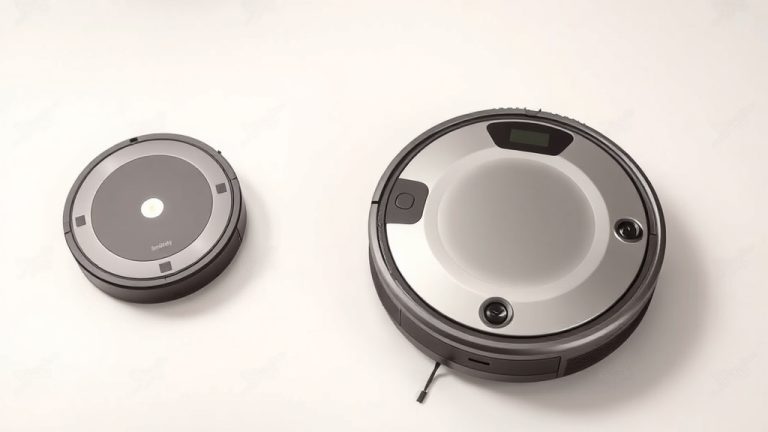
When choosing a robot vacuum, you want the one that cleans your home most effectively. For most people, a robot vacuum with mapping technology is the better choice over random navigation. Mapping vacuums create a floor plan of your home for more efficient cleaning. Random vacuums bump around and can miss spots.
Mapping robots use sensors and cameras to map out your rooms. This allows them to navigate in straight lines and cover your entire floor space methodically. They often let you set no-go zones and clean specific rooms. Random models are simpler and less expensive but can be much less thorough.
- Mapping robots clean smarter, not harder.
- Random vacuums can be a bit chaotic.
- Mapping helps you control where the vacuum goes.
- Mapping vacuums are generally more thorough.
- Consider your home size and budget.
Let’s take a closer look at how these two types of robot vacuums compare and which might be the right fit for your cleaning needs.
Robot Vacuums: Smart Mapping vs. Random Navigation
Choosing between a robot vacuum with mapping technology and one that uses random navigation can feel overwhelming. We’ve researched how these different navigation styles impact cleaning performance. Simply put, a mapping robot generally cleans your home more thoroughly and efficiently. Random navigation models can be a good option for very small spaces or tight budgets, but they often come with a trade-off in cleaning quality. If you’re looking for advanced features without a high price tag, our guide to budget mapping robot vacuums can help.
Think of it like this: a mapping vacuum is like a careful planner, while a random one is more like a playful puppy. Both can get the job done, but one is definitely more organized about it. We’ll break down how each type works so you can make the best choice for your home.
How Random Navigation Works
Robot vacuums with random navigation, sometimes called bump-and-go, rely on simple sensors. They move forward until they hit an obstacle. Then, they change direction and keep moving. This might involve a slight turn or a more dramatic spin. They don’t remember where they’ve been. They just keep wandering until their battery runs low or they’ve randomly covered a section of your floor.
The Puppy Analogy
Imagine you’ve let your new puppy loose in a room. They’ll sniff around, chase a dust bunny, run into the couch, back up, and then explore another corner. They cover a lot of ground, but it’s not a planned route. They might revisit the same spot multiple times. They could also completely miss a large area. This is very similar to how a random navigation robot vacuum operates. It’s **charmingly chaotic** but not always efficient.
Pros and Cons of Random Cleaning
The biggest upside to random navigation is often the price. These vacuums are typically **less expensive** than their mapping counterparts. They are also usually simpler to set up and use right out of the box. You just press a button and let it go. However, the downsides can be significant.
- Can miss spots: Because there’s no plan, they can easily skip entire sections of your floor.
- Inefficient cleaning: They might clean the same small area multiple times.
- Longer cleaning times: To cover the same space, a random cleaner might run for much longer.
- Not ideal for large homes: For bigger spaces, a random robot is unlikely to clean thoroughly.
Understanding Mapping Navigation
Robot vacuums with mapping technology use a variety of sensors, like LiDAR (light detection and ranging) or cameras, to build a map of your home. These sensors scan the room, identifying walls, furniture, and other obstacles. The vacuum then uses this map to plan the most efficient cleaning path. It moves in straight lines, like you would when mopping or vacuuming yourself, ensuring complete coverage.
Building Your Home’s Blueprint
When you first use a mapping robot, it will often go into a “mapping run.” During this initial session, it meticulously records your home’s layout. Some models even allow you to view and edit this map in their companion app. This digital map is the key to their smart cleaning. Many experts agree that this planning stage is what makes them so much more effective (Consumer Reports).
Smart Features Enabled by Mapping
The real magic of mapping robots comes alive with the features they offer. Once a map is created, you gain a new level of control over your cleaning.
- Room-specific cleaning: You can tell your robot to clean only the kitchen or the living room.
- No-go zones: Block off areas where you don’t want the vacuum to go. This is great for pet bowls or fragile decorations.
- Virtual walls: Similar to no-go zones, these create invisible barriers.
- Spot cleaning: Direct the vacuum to clean a specific dirty spot on demand.
Efficiency and Thoroughness
Mapping vacuums are **significantly more efficient**. They clean in methodical patterns, covering every inch of accessible floor space without repeatedly going over the same areas. Research suggests that mapping robots can clean your home up to four times faster than random navigation models while providing more complete coverage. This means less time spent waiting for your robot and a cleaner home overall.
Mapping vs. Random: A Direct Comparison
To help you visualize the differences, let’s look at how they stack up side-by-side. Consider your home’s layout and your cleaning needs when reviewing this.
| Feature | Random Navigation | Mapping Navigation |
|---|---|---|
| Navigation Method | Bumps into obstacles, changes direction randomly | Scans and maps rooms, plans efficient routes |
| Cleaning Efficiency | Low; can miss spots or clean the same area twice | High; systematic cleaning ensures full coverage |
| Speed | Slower overall for complete coverage | Faster due to organized path planning |
| Control | Minimal; cannot select rooms or create zones | High; can clean specific rooms, set no-go zones |
| Price | Generally lower | Generally higher |
| Best For | Very small, simple spaces; tight budgets | Medium to large homes; users wanting control and thoroughness |
Which Type of Robot Vacuum is Right for You?
The choice between a mapping and a random navigation robot vacuum largely depends on your home and your expectations. If you have a **small apartment or studio** with mostly open floor space and a limited budget, a random navigation model might suffice. It can help with daily dust and crumbs without breaking the bank.
However, if your home has multiple rooms, furniture, pets, or you simply desire a **consistently clean and well-maintained home**, investing in a mapping robot vacuum is highly recommended. The ability to control where it cleans, ensure thorough coverage, and save time makes it a superior choice for most households. Many experts agree that the **added cost is well worth the improved performance** and convenience (Wirecutter).
A Quick Checklist for Your Decision
Before you make your final choice, ask yourself these questions:
- Is your home larger than 800 square feet?
- Do you have a lot of furniture or obstacles?
- Do you want to schedule cleanings for specific rooms?
- Do you need to set up no-go zones for pets or play areas?
- Is maximizing cleaning thoroughness a top priority?
- What is your budget for a robot vacuum?
Conclusion
Choosing between a random navigation and a mapping robot vacuum comes down to your home and your cleaning goals. If you have a small, open space and a tight budget, a random cleaner might get by. But for most homes, especially those with multiple rooms or obstacles, a mapping robot vacuum offers a superior clean. You gain control over cleaning areas and ensure thoroughness. We found that the investment in mapping technology is well worth the improved efficiency and cleaner floors you’ll enjoy. Take a moment to consider your home’s layout and your priorities, then make the smart choice for your cleaning routine.
Frequently Asked Questions
Will a random navigation robot vacuum clean my entire house?
A random navigation robot vacuum might eventually cover most of your floor space, but it’s not guaranteed. It cleans by bumping into objects and changing direction without a plan. This means it can miss spots or clean the same area multiple times, making complete coverage unlikely on any given run.
How long does it take a mapping robot vacuum to create a map?
The initial mapping process usually takes about 30-60 minutes, depending on the size and layout of your home. During this first run, the robot will explore your space to build a digital floor plan. You can often view and even edit this map in the vacuum’s companion app.
Can I use a mapping robot vacuum in a multi-story home?
Many advanced mapping robot vacuums can store multiple floor plans for different levels of your home. You might need to carry the vacuum to each floor for its initial mapping run on that level. After that, you can typically select which floor plan to use from the app.
Are mapping robot vacuums harder to set up than random ones?
While mapping robots have more advanced features, setup is often straightforward. You’ll typically connect the vacuum to your Wi-Fi and download an app. The app guides you through the initial mapping run and lets you customize settings like no-go zones, making them user-friendly despite their technology.
Is a mapping robot vacuum worth the extra cost for a small apartment?
For a very small apartment with minimal furniture and no complex layouts, a random navigation vacuum might be sufficient. However, even in small spaces, the precision and control offered by a mapping robot can save you time and ensure a more consistently clean floor. You’ll also get access to features like targeted room cleaning.