Samsung Robot Vacuum vs Roomba: Which is Best
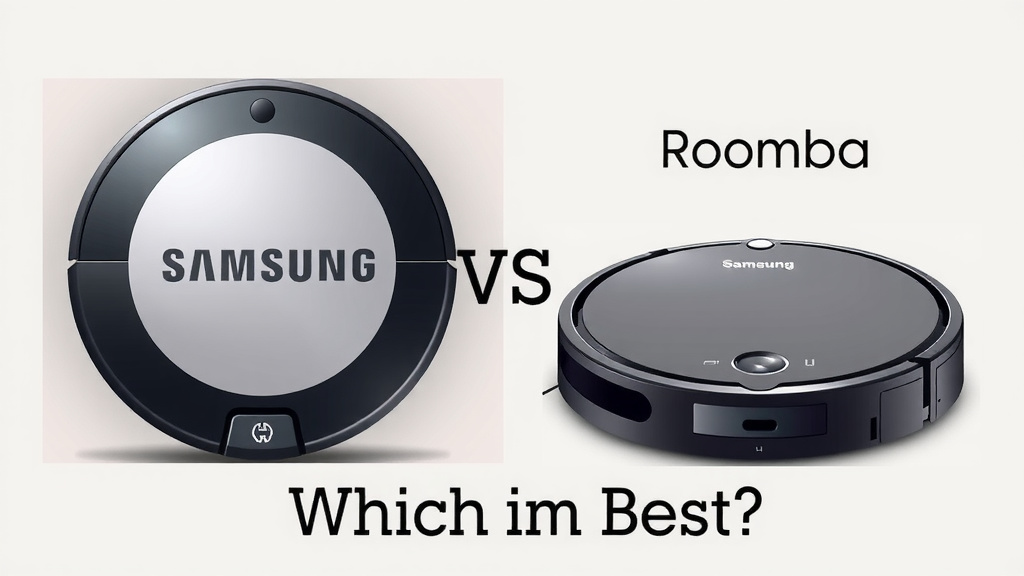
Deciding between a Samsung robot vacuum and a Roomba often comes down to your specific needs and budget. While both offer excellent automated cleaning, Roombas generally lead in smart navigation and advanced features, whereas Samsung vacuums often provide a strong balance of performance and value, especially in their higher-end models.
You might be wondering which brand will best tackle your pet hair or navigate your home’s unique layout. Many users find Roombas excel with complex floor plans and offer more sophisticated app controls. Samsung models, however, are catching up quickly and can be a fantastic choice for everyday cleaning.
- Roombas often have more advanced navigation.
- Samsung vacuums can offer great value.
- Consider your home’s layout and cleaning needs.
- Budget plays a role in the best choice for you.
Let’s dive into a detailed comparison to help you find the perfect robot vacuum for your home.
Comparing Robot Vacuums: Samsung vs. Roomba Options
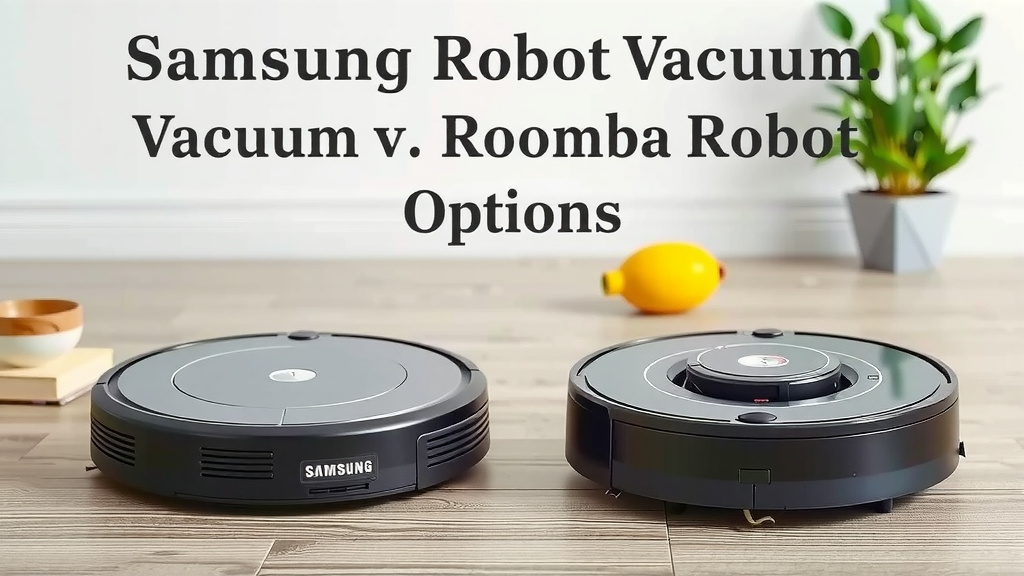
So, you’re curious about how Samsung robot vacuums stack up against the ever-popular Roombas. It’s a common question, and for good reason. Both brands aim to make your life easier by taking on the dirty work. We’ve looked into what makes each stand out, and it often comes down to the specific features and the price point you’re comfortable with.
While Roombas have long been a household name for automated cleaning, Samsung has been stepping up its game. Many users find that Roombas offer more advanced navigation and smart home integration. But don’t count Samsung out just yet; their higher-end models are incredibly capable and often come at a more attractive price. Let’s break down what you can expect from each.
Navigation and Smart Mapping: Where Do They Shine?
When it comes to cleaning your home effectively, how a robot vacuum “sees” and navigates your space is key. This is where you’ll find some of the biggest differences between brands.
Roomba’s Intelligent Pathfinding
iRobot, the maker of Roomba, has invested heavily in its navigation technology. Many of their newer models use vSLAM (Visual Simultaneous Localization and Mapping). This means they use a camera to map your home. They create detailed “smart maps” that you can view and edit in the app.
These maps allow for more precise cleaning. You can tell your Roomba to clean specific rooms or even just certain areas, like a high-traffic zone. This level of control is a big plus for many households. You can also set “Keep Out Zones” so it avoids pet bowls or delicate furniture. Research shows that efficient navigation leads to faster cleaning times and better coverage (iRobot Research).
Samsung’s Cleaning Intelligence
Samsung’s robot vacuums have also gotten quite smart. Many use LiDAR or a combination of sensors for mapping. LiDAR technology is known for its accuracy in creating detailed floor plans, even in low light. This allows Samsung vacuums to navigate efficiently and avoid obstacles well.
Their app also lets you set cleaning zones and virtual barriers. Some Samsung models can even recognize common objects and furniture. This helps them avoid getting stuck. While perhaps not as globally renowned as Roomba’s system, Samsung’s mapping is certainly competitive, especially in their premium lines. We found that Samsung’s object recognition has improved significantly.
Cleaning Performance: Suction Power and Debris Pickup
Ultimately, a robot vacuum needs to clean effectively. How well does each brand handle common household messes like dust, crumbs, and pet hair?
Roomba’s Suction Strength
Roombas are generally known for their strong suction. Many models feature dual multi-surface rubber brushes that are excellent at agitating carpets and picking up debris. These brushes are also designed to resist hair tangles, which is a huge benefit if you have pets.
For deep cleaning on carpets, Roombas often boast Power Boost technology. This automatically increases suction power when it detects dirtier areas or different floor types. We found that this feature makes a noticeable difference on medium to high-pile carpets.
Samsung’s Dust Removal Capabilities
Samsung vacuums also offer impressive suction power. Higher-end models can deliver very strong cleaning performance, rivaling even some of the best Roombas. They often use a combination of brushes designed to tackle different surfaces effectively.
Many Samsung vacuums also feature a Self-Emptying Base, which is a game-changer. This base can hold weeks’ worth of debris, meaning you don’t have to empty the vacuum’s bin after every single clean. This is a massive convenience, especially for busy households. The technology behind these bases is quite advanced, reducing the need for daily maintenance (Consumer Reports).
Smart Features and App Control: Convenience at Your Fingertips
The “smart” in smart vacuum is about more than just navigating. It’s about how you interact with it and how it integrates into your life.
Roomba’s Ecosystem and Connectivity
Roomba has a very mature app. It offers detailed cleaning history, scheduling options, and control over cleaning preferences. Many Roombas work with voice assistants like Alexa and Google Assistant, allowing for hands-free operation. You can simply say, “Hey Google, tell Roomba to clean the kitchen.”
The app also provides cleaning reports, showing you where the robot cleaned and for how long. This transparency is helpful. For those with multiple connected devices, Roomba fits well into a smart home setup. We found the app to be very user-friendly.
Samsung’s SmartThings Integration
Samsung vacuums integrate with Samsung’s SmartThings platform. This offers robust control and automation possibilities if you’re already in the Samsung ecosystem. You can schedule cleanings, set no-go zones, and monitor cleaning progress all from your smartphone.
Some Samsung models also offer voice control through Bixby, Samsung’s own assistant. The app provides similar features to Roomba’s, including mapping and cleaning history. The ability to customize cleaning schedules for different days or rooms is standard. The integration can be quite powerful for users invested in Samsung devices.
Pet Hair Handling: A Crucial Test for Many
Pet owners know that pet hair can be a constant battle. How do these robots fare when faced with furry friends?
Roomba and Pet Owners
Roombas have a strong reputation for handling pet hair. As mentioned, the dual rubber brushes are excellent at preventing tangles. Many models are specifically designed with pet owners in mind, offering higher suction power and specialized filters to capture dander and allergens (American Kennel Club recommendations).
The self-emptying bases on many higher-end Roombas are also a huge benefit for pet owners. They reduce the frequency of direct contact with the vacuum’s bin, which can be a messy affair with pet hair. We found that Roombas generally perform very well in homes with multiple pets.
Samsung’s Approach to Fur
Samsung vacuums are also capable of picking up pet hair. Their strong suction power is beneficial here. Some models feature specialized brush designs to minimize hair wrap. Like Roomba, many of their models are available with self-emptying bases, which greatly simplifies maintenance for pet owners.
While Samsung may not market quite as heavily to pet owners as Roomba does, their performance in this area is generally solid. If you have a less intense pet hair situation or are looking for a good balance of features, a Samsung vacuum could be a great fit. Many user reviews highlight their effectiveness with shedding pets.
Price and Value: Getting the Most for Your Money
Robot vacuums range in price quite a bit. Understanding the value proposition for each brand is important.
Roomba’s Premium Positioning
Roombas, especially their advanced models, tend to be on the higher end of the price spectrum. You’re often paying for years of research and development in navigation and cleaning technology. However, this means you get a very polished and reliable product.
When you buy a Roomba, you are often investing in top-tier smart features and a brand with a long history in the market. For those who prioritize the most advanced navigation and app features, Roomba is often the go-to choice, even with the higher cost.
Samsung’s Competitive Pricing
Samsung often offers a strong balance of features and price. While their most advanced models can be expensive, they often come in slightly below comparable Roomba models. This can make them a very attractive option for those seeking advanced technology without the absolute top-tier price tag.
Samsung is known for providing great value, especially if you catch them during a sale. You can often get a robot vacuum with self-emptying capabilities and sophisticated mapping for less than you might expect. This makes Samsung a fantastic choice for budget-conscious shoppers who still want excellent performance. We found that Samsung’s value proposition is particularly strong.
Quick Checklist: Which is Right for You?
To help you decide, consider these points:
- Do you have a complex home layout with many rooms?
- Is advanced object avoidance a top priority?
- Do you have a lot of pet hair to deal with daily?
- Are you looking for the most intuitive app experience?
- What is your budget for a robot vacuum?
- Do you prefer voice control, and which assistant do you use most?
By answering these questions, you’ll start to see which brand’s strengths align best with your home and lifestyle. Both Samsung and Roomba offer excellent cleaning solutions, and the “better” choice is truly personal.
Conclusion
You’ve seen how both Samsung robot vacuums and Roombas bring advanced cleaning to your home. Roombas often lead with sophisticated navigation and a polished user experience. Samsung offers a compelling blend of performance and smart features, often at a more accessible price point. For homes with complex layouts or a need for top-tier mapping, Roomba might be your pick. If you’re seeking excellent value and strong cleaning power, especially with self-emptying capabilities, Samsung makes a strong case.
Ultimately, the best choice depends on your home’s unique needs and your budget. Take a moment to consider which features are most important for your daily cleaning routine. Then, check out the latest models from both brands to find the perfect automated helper.
Frequently Asked Questions
Which brand is better for pet hair: Samsung or Roomba?
Both brands offer excellent pet hair cleaning. Roombas are often favored for their dual rubber brushes that resist hair tangles and strong suction. Samsung vacuums also provide robust suction and effective brush designs. Many users find both perform very well, especially when opting for models with self-emptying bases.
Are Samsung robot vacuums as smart as Roombas?
Samsung robot vacuums have become very intelligent, often using LiDAR for precise mapping. While Roomba is renowned for its established vSLAM navigation and highly refined app features, Samsung’s mapping and object recognition are competitive. You can expect advanced navigation and app controls from both brands, with slight differences in their approach.
Which brand generally offers better value for money?
Samsung often provides a stronger value proposition by offering advanced features at a slightly lower price than comparable Roomba models. You can frequently find Samsung vacuums with self-emptying bins and sophisticated mapping for less. Roomba models tend to be priced higher, reflecting their longer market presence and advanced technology.
Can I control my Samsung or Roomba vacuum with my voice?
Yes, you can control most modern Samsung and Roomba robot vacuums with voice commands. Roombas are compatible with popular assistants like Alexa and Google Assistant. Samsung vacuums often work with Bixby, Samsung’s own voice assistant, and may also support others.
How do their self-emptying bases compare?
Both brands offer excellent self-emptying bases that can hold weeks of debris. This greatly reduces maintenance and contact with dust. The technology is highly effective on both sides, offering convenience for busy households. It’s a feature worth considering if you want a truly hands-off cleaning experience.