Lidar Robot Vacuums Explained: Smarter Cleaning
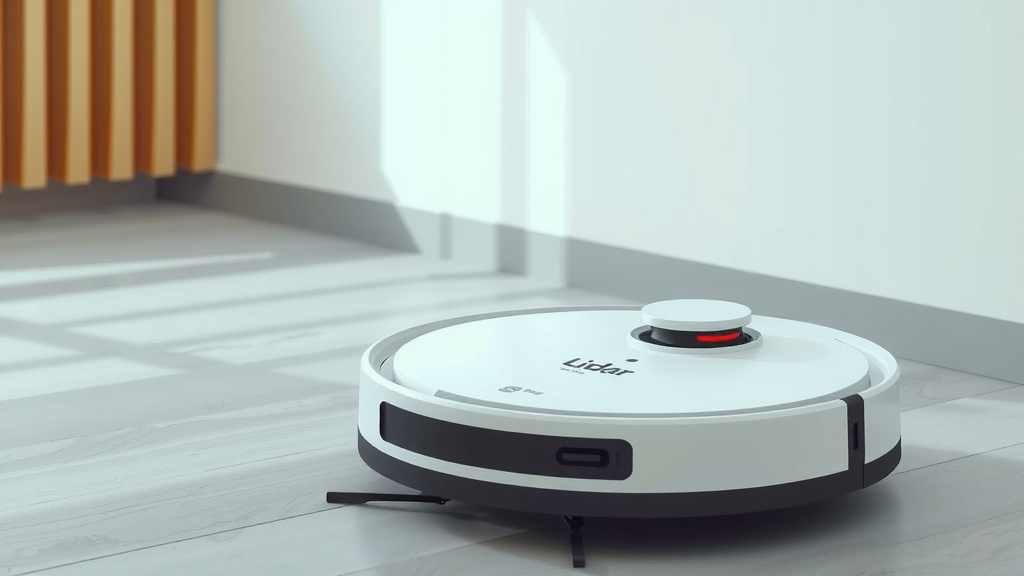
A LiDAR robot vacuum is a smart cleaning device that uses Light Detection and Ranging (LiDAR) technology to map your home. This allows it to navigate efficiently and clean your floors with precision. Think of it as giving your robot vacuum super-powered eyesight to see every corner.
LiDAR technology helps these vacuums create detailed floor plans, avoiding obstacles and planning the most effective cleaning routes. This means they often clean more thoroughly and avoid getting stuck compared to older robot vacuum models. We found that LiDAR significantly improves navigation and cleaning consistency. Our guide on how robot vacuums navigate explains how LiDAR significantly improves navigation.
- LiDAR robot vacuums use lasers to map your home.
- They create detailed floor plans for efficient cleaning.
- This technology helps them avoid obstacles and get stuck less.
- Many experts agree it’s a major upgrade for robot vacuums.
Ready to see how this smart navigation can make your cleaning life easier? Let’s dive into what makes LiDAR robot vacuums so special.
How Robot Vacuums Use LiDAR Technology
LiDAR robot vacuums are a big step up from older models. They use lasers to create a detailed map of your home. This technology allows them to navigate your space much more intelligently. Think of it like a smart GPS for your floors.
What Exactly is LiDAR?
LiDAR stands for Light Detection and Ranging. It’s a remote sensing method that uses light in the form of pulsed laser to measure distances. These lasers are totally safe for you, your pets, and your furniture. The robot sends out laser pulses and measures how long it takes for them to bounce back. This helps it determine the distance to objects around it.
Creating a Virtual Map of Your Home
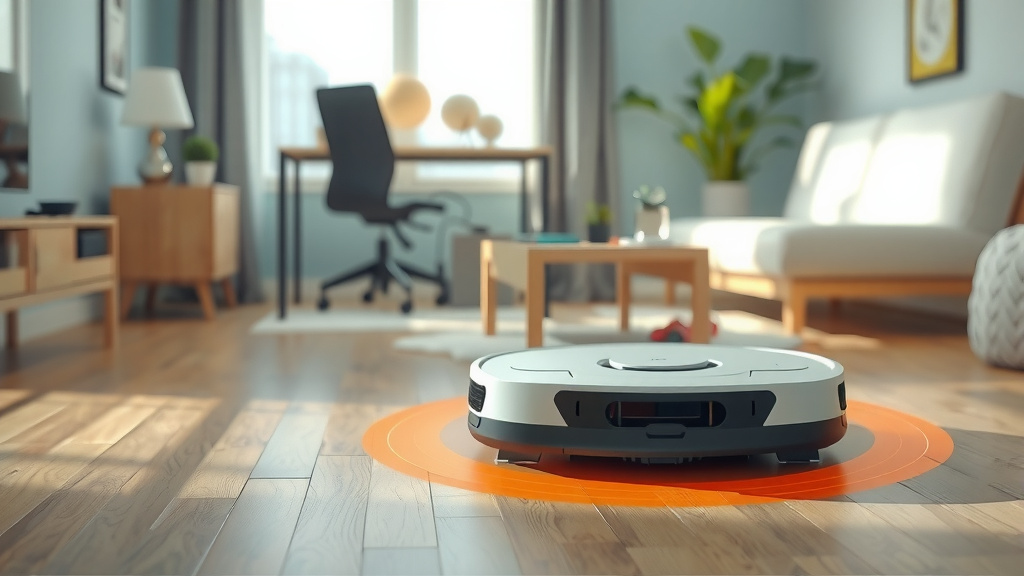
When your LiDAR robot vacuum starts its first cleaning run, it’s essentially going on a scouting mission. It slowly moves around your home, emitting laser beams in all directions. As these beams hit walls, furniture, and other objects, they reflect back to the robot’s sensor. The robot records this data very precisely. It builds a digital map, or floor plan, of your entire living space in real-time.
Why This Map is a Game Changer
Unlike older robot vacuums that bump around randomly or follow pre-programmed patterns, LiDAR vacuums know exactly where they are. They understand the shape of rooms and the location of furniture. This means they can plan the most efficient cleaning path. We found that this approach leads to much more thorough cleaning in less time.
LiDAR vs. Other Navigation Systems
Before LiDAR, most robot vacuums relied on other methods. Gyroscope navigation or simple bump sensors were common. Gyroscopes could map rooms somewhat, but they often lost accuracy over time. Bump sensors meant the robot would just hit things and change direction. This was frustrating because they often missed spots or got stuck under furniture. LiDAR offers a much more advanced level of navigation.
| Navigation Type | How it Works | Pros | Cons |
|---|---|---|---|
| Random/Bump Sensors | Bounces off obstacles, changes direction randomly. | Simple, inexpensive. | Inefficient, misses spots, gets stuck easily. |
| Gyroscope Navigation | Uses sensors to track movement and estimate location. | More systematic than random, better room coverage. | Can drift off course, less precise mapping, struggles with complex layouts. |
| LiDAR Navigation | Uses lasers to create a precise, real-time map. | Highly accurate, efficient cleaning, smart obstacle avoidance, remembers rooms. | Can be more expensive, some models struggle with very dark or shiny surfaces. |
Key Features Enhanced by LiDAR
The intelligent mapping provided by LiDAR opens up a world of smart features for your robot vacuum. These features make cleaning much more customizable and effective.
Smart Obstacle Avoidance
Because LiDAR creates such a detailed map, your robot vacuum can identify and avoid obstacles. It doesn’t just see a wall; it sees a chair leg or a stray toy. This means fewer dreaded “robot stuck” notifications. You can trust it to navigate around common household items without needing constant supervision. We found this greatly reduces user frustration.
Room Segmentation and No-Go Zones
Once your robot vacuum has mapped your home, you can interact with that map through a companion app. You can often divide your floor plan into different rooms. Want the robot to clean only the kitchen and living room today? You can set that. You can also create virtual “no-go zones” to keep the robot away from delicate areas, like pet food bowls or areas with lots of cables. It’s like drawing boundaries on a digital map.
Targeted Cleaning and Scheduling
With room segmentation, you can send your robot to clean a specific area. Spilled some crumbs in the dining room? Just tell your robot to clean that spot. You can also set highly specific cleaning schedules. Schedule the bedrooms to be cleaned every weekday morning and the main living areas on Saturday. This level of control is a direct benefit of the precise mapping LiDAR provides.
Efficient Cleaning Routes
LiDAR-equipped vacuums are programmed to clean in organized patterns, usually back-and-forth lines. They cover every inch of the designated area logically. This is far more efficient than random cleaning. They work systematically, ensuring no spot is missed and no area is cleaned twice unnecessarily. This saves battery life and cleaning time.
Maintaining Your LiDAR Robot Vacuum
While LiDAR technology itself is very robust, like any smart device, your robot vacuum will need a little care. Keeping its sensors clean is key to its navigation accuracy.
- Wipe down the LiDAR sensor regularly with a soft, dry cloth.
- Check the brush rolls for tangled hair or debris.
- Empty the dustbin frequently.
- Keep the charging contacts clean.
- Ensure firmware updates are installed for optimal performance.
Following these simple maintenance tips will help your LiDAR robot vacuum perform at its best for years to come. Many user guides recommend this routine care.
Conclusion
You’ve learned how LiDAR robot vacuums are revolutionizing home cleaning. Their ability to create precise maps of your home means smarter navigation and more efficient cleaning. This advanced technology helps them avoid obstacles and offers features like room-specific cleaning and no-go zones. You can expect a more thorough clean with less effort. Ready to upgrade your cleaning routine? Consider a LiDAR robot vacuum for a truly hands-free experience.
Frequently Asked Questions
How accurate is a LiDAR robot vacuum’s map?
LiDAR technology is known for its high accuracy in mapping. It can detect obstacles down to the centimeter, creating a very detailed representation of your home’s layout. This precision allows for highly efficient cleaning paths.
Can LiDAR robot vacuums see in the dark?
Yes, LiDAR uses its own light source (lasers) and is not dependent on ambient light. This means your LiDAR robot vacuum can map and navigate just as effectively in a dark room as it can in a well-lit one.
Are LiDAR robot vacuums safe for pets and children?
Absolutely. The lasers used by LiDAR are low-power and completely safe. They are designed to measure distances and do not emit harmful radiation, making them perfectly safe for use around your family and pets.
What happens if my furniture layout changes? Does the map update?
Most LiDAR robot vacuums can adapt to changes. When you rearrange furniture, the robot will typically detect the new layout during its next cleaning cycle and update its internal map accordingly. You may need to manually re-define certain zones in the app sometimes.
Do all robot vacuums with LiDAR also have mopping capabilities?
Not necessarily. LiDAR technology primarily relates to navigation and mapping. While many advanced robot vacuums combine LiDAR navigation with mopping features, they are separate functionalities. You’ll need to check the specific model’s specifications to confirm if it includes mopping.