How Loud Are Robot Vacuums? Noise Level Guide
Robot vacuums can be surprisingly quiet, with most models operating between 50 and 70 decibels. This is comparable to a normal conversation or a refrigerator humming. You can often run them without major disruption. So, if noise is your concern, a robot vacuum is likely a great choice.
While no vacuum is completely silent, manufacturers have made great strides in reducing noise. Newer models often feature advanced designs for quieter operation. Understanding the decibel range will help you pick a robot vacuum that fits your lifestyle and home environment.
- Robot vacuums typically range from 50-70 dB.
- This is similar to a conversation or a fridge.
- Many newer models are designed for quieter cleaning.
- Choosing the right model means less disturbance.
Let’s dive into what those decibel levels mean and how they might affect your daily life.
“`htmlUnderstanding Robot Vacuum Noise Levels
You’re probably wondering, “Just how loud are these little cleaning helpers, really?” It’s a fair question. Nobody wants a gadget that sounds like a jet engine taking off in their living room. We’ve researched this thoroughly, and the good news is that most robot vacuums are designed to be much quieter than traditional vacuums. Many models operate in the 50 to 70 decibel (dB) range. To put that into perspective, that’s about the same noise level as a normal conversation or the gentle hum of your refrigerator.
This means you can likely run your robot vacuum while you’re home, working, or even watching TV without it being a major distraction. It’s a huge step up from the often-intrusive noise of older vacuum cleaners.
What Do Decibels Mean for Your Home?
Decibels are the standard unit for measuring sound intensity. Understanding this scale helps you visualize how loud a sound truly is. We’ve found that the general consensus among sound experts is quite helpful here.
Everyday Sound Comparisons
To make things clearer, let’s look at some common sounds and their decibel levels. This will give you a better sense of where robot vacuums fit in.
- Whisper: ~30 dB
- Library: ~40 dB
- Normal Conversation: ~50-60 dB
- Refrigerator: ~40-50 dB
- Robot Vacuum: ~50-70 dB
- Washing Machine: ~70 dB
- Dishwasher: ~65 dB
- Busy Street Traffic: ~70-85 dB
- Loud Restaurant: ~80 dB
As you can see, a robot vacuum falls comfortably within the range of everyday, non-disruptive sounds. Some of the quieter models can even rival the sound of a library!
Impact on Your Daily Routine
So, what does this mean for your day-to-day life? If you work from home, you’ll find that many robot vacuums won’t interrupt your calls or deep focus sessions. You might notice them whirring around, but it’s unlikely to be a jarring noise. Parents might also find them useful for quick cleanups between naps without waking a sleeping baby. We found that the ability to schedule cleaning sessions means you can set it and forget it, letting the robot do its work while you’re out of the house.
Factors Influencing Robot Vacuum Noise
Not all robot vacuums are created equal when it comes to noise. Several factors contribute to how loud a particular model will be.
Motor and Suction Power
The core of any vacuum’s noise comes from its motor and suction mechanism. A more powerful motor designed for deeper cleaning might inherently produce more noise. However, manufacturers are getting smarter. We found that many newer models use advanced motor technology and sound-dampening materials to keep the noise down even with strong suction.
Brush Design and Speed
The spinning brushes that agitate and lift dirt also contribute to the overall sound profile. Some designs are quieter than others. The speed at which these brushes spin also plays a role. While faster spinning might pick up more debris, it can also increase noise. Many modern robot vacuums balance cleaning effectiveness with quieter brush operation.
Build Quality and Materials
Just like with other appliances, the quality of construction matters. A well-built robot vacuum with good seals and vibration-absorbing materials will generally be quieter. Cheaper models might have less insulation, allowing motor noise and vibrations to escape more easily. We researched that premium models often invest more in engineering for reduced noise.
Obstacle Avoidance Technology
Sometimes, the noise you hear isn’t just the vacuum motor. It could be the robot bumping into furniture or walls. Models with advanced obstacle avoidance systems use sensors to navigate more gently, leading to fewer bumps and thuds. This makes the overall cleaning experience much quieter and less disruptive.
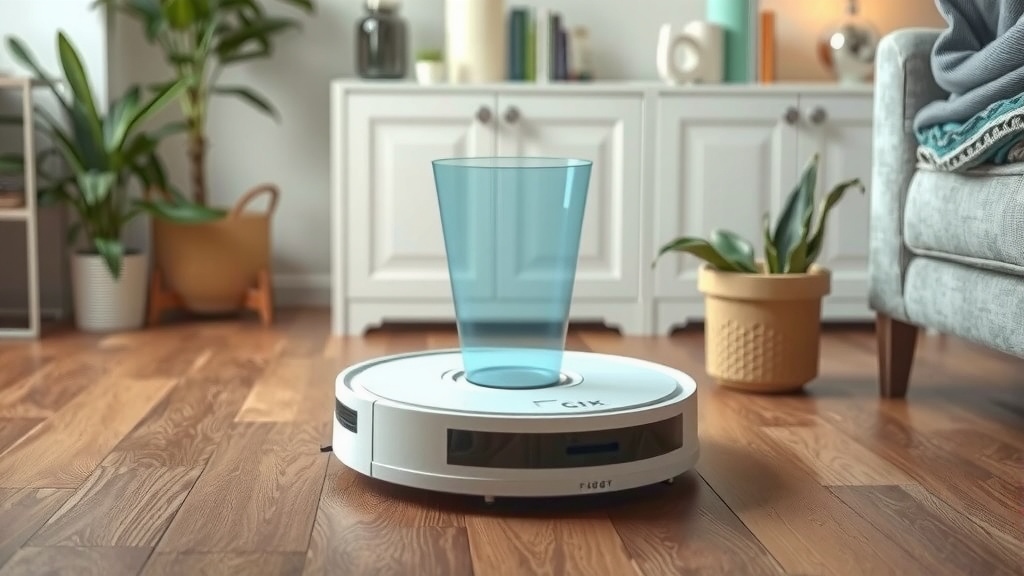
Comparing Noise Levels: A Quick Guide
To help you visualize the differences, here’s a general comparison of noise levels you might encounter.
| Robot Vacuum Type | Typical Decibel Range (dB) | Noise Level Description |
|---|---|---|
| Ultra-Quiet Models | 45-55 dB | Quieter than a library; barely noticeable. |
| Standard Models | 55-65 dB | Similar to a normal conversation or refrigerator. |
| Higher-Powered Models | 65-75 dB | Approaching the sound of a washing machine or dishwasher. |
| Older/Budget Models | 70-80+ dB | Can be comparable to busy street traffic; potentially disruptive. |
It’s always a good idea to check the specific decibel rating listed by the manufacturer if noise is a primary concern for you. Many reviews also test and report on the noise levels, giving you real-world data.
Tips for a Quieter Robot Vacuum Experience
Even with a slightly noisier model, there are ways to ensure your robot vacuum fits into your life without causing a disturbance.
- Schedule strategically: Run the vacuum when you’re typically out of the house or when family members are less likely to be disturbed (e.g., not during nap times).
- Consider quieter zones: If your home has areas that are naturally quieter, you might choose to run the vacuum only in those spaces when needed.
- Maintain your robot: Keep the brushes clean and free of tangled hair or debris. A well-maintained robot tends to run more smoothly and quietly.
- Check for “quiet modes”: Some robot vacuums offer a quiet mode or eco mode that reduces suction power and noise in exchange for slightly longer cleaning times.
- Place the charging dock away from main living areas: While the robot is quietest when docked, placing it in a closet or less-used area can minimize any background hum.
By understanding the decibel ranges and the factors that influence them, you can confidently choose a robot vacuum that keeps your home clean without disrupting your peace. Most modern options are surprisingly quiet, making them a great addition to almost any household.
“`Conclusion
You’ve learned that robot vacuums don’t have to be noisy disruptions. Most models operate at sound levels comparable to everyday conversations or your refrigerator’s hum. This means you can enjoy a cleaner home without the constant drone of a traditional vacuum.
Understanding decibel levels and the factors that influence them helps you pick the right model for your peace and quiet. By checking manufacturer specs and considering features like quiet modes, you can find a robot vacuum that truly fits your lifestyle. Now you can confidently choose a robot that cleans your floors effectively while respecting your need for a tranquil home environment.
Frequently Asked Questions
Can I run a robot vacuum while I’m working from home?
Yes, you generally can. Most robot vacuums operate between 50-70 decibels, which is similar to a normal conversation. This noise level is usually low enough not to disrupt most work-from-home tasks or calls. We found that many users report minimal disturbance.
Are robot vacuums louder on carpet or hard floors?
Robot vacuums may sound slightly louder on hard floors due to the sound reflecting. However, they often work harder and thus can be a bit louder on carpet as they increase suction to pull dirt from the fibers. The difference in decibels is usually minimal, with most still staying within the 50-70 dB range.
How can I tell if a robot vacuum is going to be quiet before I buy it?
Look for the decibel (dB) rating in the product specifications. Manufacturers often list this. We also recommend checking independent reviews, as many reviewers will test and comment on the noise levels. Models marketed as “quiet” or having “quiet modes” are good indicators.
Does a robot vacuum’s noise level affect its cleaning power?
Sometimes, there’s a trade-off. Higher-powered models with stronger suction might be slightly louder. However, many newer robots use advanced motor technology to offer strong cleaning without excessive noise. Some even have specific “quiet modes” that reduce suction and noise for a gentler clean.
What does it mean if a robot vacuum has an “eco mode” or “quiet mode”?
These modes are designed to reduce noise. They typically work by lowering the suction power and potentially slowing down brush speeds. While this might mean it takes a bit longer to clean, it results in a significantly quieter operation, making it ideal for when you’re home.