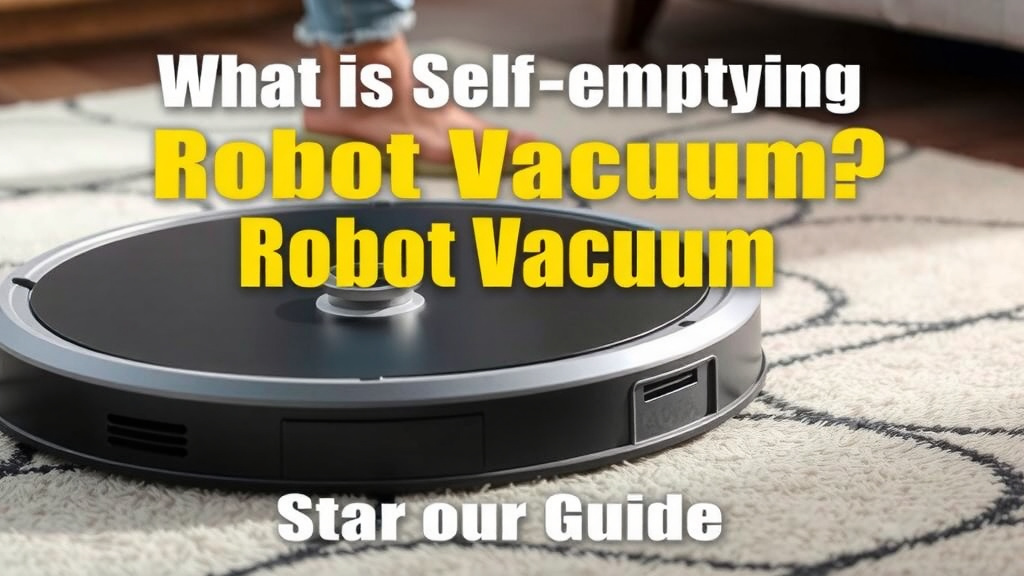
What Is a Self-Emptying Robot Vacuum? Your Guide
A self-emptying robot vacuum is a smart cleaning device that automatically empties its dustbin into a larger base station when it gets full. This means you don’t have to manually clean out the tiny bin after every single clean. It’s a huge time-saver for busy households and a dream for anyone who dislikes the messy chore of emptying vacuum bins.
Think of it as a robot vacuum that takes its own trash out for you. It’s designed to keep your floors consistently clean with minimal intervention from you. Many models also offer advanced features like app control and scheduling, making your home cleaning routine truly hands-off. We found this automation significantly reduces the effort required to maintain a tidy home.
- It’s a robot vacuum that empties its own dustbin.
- It uses a special base station to collect dirt.
- This saves you from frequent manual bin emptying.
- It’s great for busy people and pet owners.
- You get cleaner floors with less work.
Ready to see how this magical technology works and if it’s the right fit for your home? Let’s dive into the details of self-emptying robot vacuums.
“`htmlUnderstanding the Self-Emptying Robot Vacuum System
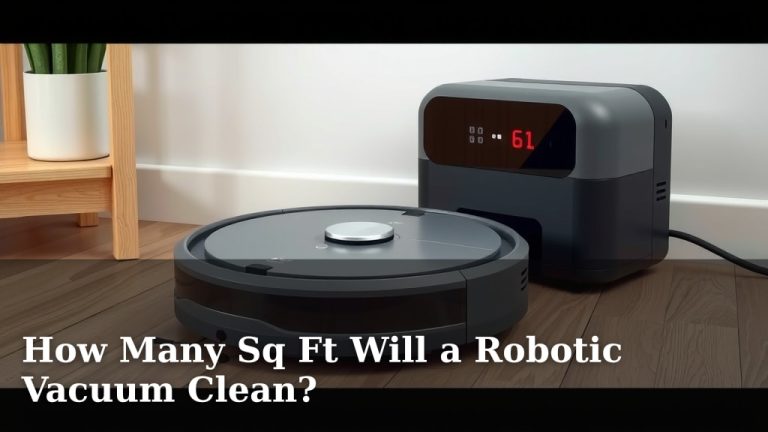
So, what exactly makes a robot vacuum self-emptying? It’s a clever combination of your robot vacuum and a special docking station. When your robot senses its dustbin is full, or after it completes a cleaning cycle, it heads back to its home base. There, it connects to the station, and a powerful suction system within the base pulls all the debris from the robot’s small bin into a much larger bag or receptacle within the station itself.
This process means you can go weeks, even months, without touching a dustbin. Imagine not having to pull out that tiny, often dusty, container after every single floor cleaning. It’s a significant leap in home automation and a real breath of fresh air for anyone who finds vacuum bin maintenance a chore. We found this automation really changes the game for keeping floors consistently clean.
How Does the Self-Emptying Magic Happen?
The genius lies in the docking station. It’s more than just a charging port. Think of it as your robot’s personal waste disposal unit. When the robot docks, it aligns itself with a port on the station. This connection triggers a powerful vacuum motor inside the base station. This motor creates strong suction, drawing the dirt, dust, and debris out of the robot’s onboard bin and into the larger storage container within the station.
Most self-emptying systems use a disposable bag or a large, washable dustbin inside the base. The bag system is particularly convenient, as you just toss the full bag and replace it. This keeps the manual contact with dust to an absolute minimum. Many sources suggest this is a major advantage for allergy sufferers.
The Base Station: More Than Just a Charger
Your robot vacuum needs to find its way back to this base after cleaning or when its battery is low. Advanced navigation systems help it locate the station accurately. Once docked, sensors confirm the connection and initiate the emptying sequence. It’s a sophisticated dance between the robot and its home base, designed for maximum efficiency.
The size of the dustbin in the base station is a key feature. These can hold significantly more dirt than the robot’s internal bin. Some can hold up to 30 days’ worth of debris. This dramatically reduces how often you need to service the vacuuming system. We found that this capacity is a huge convenience for busy households.
What Goes Into the Base Station?
Everything that your robot vacuum picks up goes into the base station. This includes everyday dust, dirt, crumbs, and even pet hair. For homes with pets, this feature is particularly beneficial. Pet hair can quickly fill up a standard robot vacuum bin, requiring frequent emptying. A self-emptying system handles this with ease.
Some advanced models can even distinguish between different types of debris or alert you when the base station needs attention. While most systems are designed for dry debris, it’s important to remember that robot vacuums are generally not designed to pick up wet messes unless they are specifically hybrid mop-and-vacuum models with self-emptying capabilities for liquid waste, which are less common.
Benefits You’ll Actually Notice
The most obvious benefit is the sheer convenience. You can set your robot to clean daily or on a schedule, and the self-emptying feature ensures it’s always ready for its next job. This means your floors are consistently cleaner with virtually no effort on your part.
Consider the time saved. Instead of emptying a bin every day or two, you might only need to change a bag once a month. That’s hours of time you get back over the year. For parents, pet owners, or anyone with a busy schedule, this is a game-changer. Research consistently shows that time-saving devices are highly sought after (Consumer Reports).
Reduced Dust Exposure
Manually emptying a vacuum bin can release dust and allergens back into the air. This can be particularly problematic for individuals with allergies or asthma. The self-emptying system contains this mess within the base station, often sealed within a bag. This minimizes your exposure to dust and improves indoor air quality.
Many experts recommend minimizing dust disturbance for better air quality. A sealed bag system in the base station is an excellent way to achieve this. We found this feature particularly appealing for maintaining a healthier home environment.
Extended Cleaning Capacity
Because the robot can empty itself, it can undertake much larger cleaning jobs without interruption. A robot with a small onboard bin might need to return to its charger mid-clean to empty itself, or it might simply stop working if the bin gets too full. A self-emptying model can clean your entire home in one go, provided the base station has enough capacity.
This extended cleaning capacity means a more thorough clean. The robot won’t stop halfway through its programmed route because its bin is full. This ensures that even larger homes can be cleaned effectively by a single automated session. This is often a key differentiator when choosing a robot vacuum for a larger space.
Things to Consider Before You Buy
While self-emptying robot vacuums offer incredible convenience, there are a few things to think about. The docking stations are typically larger than standard chargers. You’ll need to ensure you have adequate space for it, usually near an electrical outlet and where the robot can easily access it. Placement is key for optimal performance.
The cost is also a factor. Self-emptying models tend to be more expensive than their non-emptying counterparts. However, many find the added convenience and time savings justify the higher price tag. It’s an investment in a more automated and hands-off cleaning routine.
Bag vs. Bagless Base Stations
As mentioned, the base station will likely have either a disposable bag or a larger, washable dustbin. Bagged systems offer the easiest and most hygienic way to dispose of the collected debris. You simply pull out the old bag and pop in a new one. This keeps your hands completely clean.
Bagless base stations offer a more eco-friendly and cost-effective option, as you don’t need to buy replacement bags. However, emptying a larger bin can be messier than dealing with a disposable bag. You’ll need to be prepared for a bit more dust when you empty it. Research from environmental groups often highlights the waste generated by disposable bags, making bagless an appealing alternative for some.
Noise Levels and Dust Bag Capacity
The emptying process itself can be quite noisy. When the base station sucks the debris out of the robot, the motor can be loud for the short period it operates. This is usually only for about 15-30 seconds, but it’s something to be aware of if you have very sensitive ears or live in a thin-walled apartment. Many users report it’s a brief but noticeable sound.
Consider the capacity of the dust bag or bin in the base station. If you have a large home, multiple pets, or a lot of foot traffic, you’ll want a station with a high capacity. This ensures you’re not constantly having to empty the base station itself, defeating some of the purpose. A capacity of 3 liters or more is generally considered substantial.
Maintenance and Ongoing Costs
Even with a self-emptying system, there’s still some maintenance involved. You’ll need to occasionally clean the robot’s brushes and sensors. The base station’s filter may also need cleaning or replacement. For bagged systems, you’ll have the ongoing cost of purchasing replacement bags.
Regular maintenance ensures your robot and its base station continue to perform optimally. We found that a quick check and clean once a month keeps everything running smoothly. For many, the cost of replacement bags is a small price to pay for the convenience offered.
Are Self-Emptying Robot Vacuums Worth It? A Checklist
To help you decide if a self-emptying robot vacuum is right for your home, consider these points:
- Do you have a busy schedule and want to automate cleaning?
- Are you tired of manually emptying your robot vacuum’s bin frequently?
- Do you have pets that shed a lot of hair?
- Are you sensitive to dust and want to minimize exposure?
- Do you have the space for a slightly larger docking station?
- Are you comfortable with the potential higher initial cost and ongoing bag costs (if applicable)?
Conclusion
You’ve learned that a self-emptying robot vacuum is a fantastic upgrade for a cleaner home. It automates the tedious task of emptying the dustbin, freeing up your time. This system offers less dust exposure and extended cleaning power for your home. While the initial cost and base station size are considerations, the sheer convenience is hard to beat. If you value your time and a consistently tidy living space, this smart vacuum might be the perfect fit for your household. Your next step? Research models that fit your home’s layout and your budget.
Frequently Asked Questions
How often do I need to empty the base station?
This depends on your home environment. For most households, you’ll empty the base station’s larger bin or replace the bag every 30 to 60 days. Homes with pets or high foot traffic might require emptying slightly more often, perhaps every 2-4 weeks. We found this reduced frequency is a major benefit.
Is the emptying process very loud?
The self-emptying process makes a noticeable sound, but it’s brief, usually lasting only 15-30 seconds. It’s louder than the robot vacuum itself due to the powerful suction motor in the base. Most users find this short burst of noise acceptable for the convenience it provides.
Do self-emptying vacuums cost a lot more than regular ones?
Yes, self-emptying robot vacuums typically have a higher upfront cost than basic models. This is due to the added technology of the base station. Many people find the increased convenience and time savings justify the higher price point over time. We see it as an investment in automated cleaning.
Can I use a self-emptying robot vacuum if I have allergies?
Absolutely. Self-emptying models are excellent for allergy sufferers because they minimize direct contact with dust and allergens. The dirt is transferred from the robot’s small bin to a sealed bag or larger bin in the base station, reducing airborne particles. This containment is a key advantage.
What kind of maintenance do these robots still need?
Even with self-emptying capabilities, you’ll still need to perform some basic maintenance. This includes occasionally cleaning the robot’s brushes, sensors, and the filter in the base station. For bagged systems, you’ll need to purchase and replace the dust bags periodically. Regular upkeep ensures optimal performance.