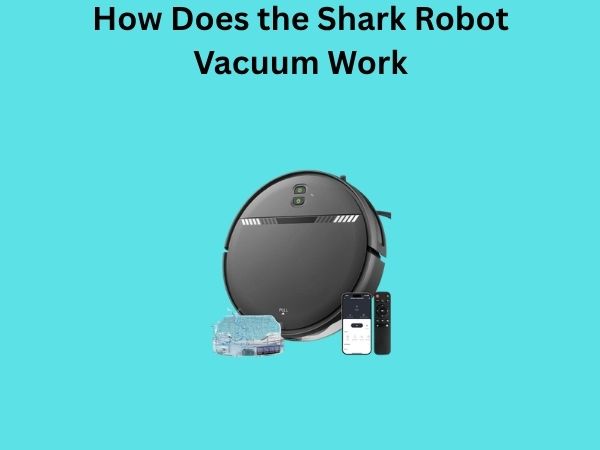
Shark Intelligence: How Does the Shark Robot Vacuum Work?
Have you ever wondered how a small robotic device can navigate your entire home without human guidance? The Shark robot vacuum is like having a tireless cleaning companion that works around the clock, and honestly, it’s nothing short of impressive when you break down the technology behind it. I’m going to walk you through exactly how these intelligent machines operate, from the moment they leave their dock until they return home with a dustbin full of debris.
Shark robot vacuums have become increasingly popular over the past several years, and for good reason. They represent a significant technological leap in home cleaning automation. But understanding how they work requires us to look at multiple interconnected systems that all work together seamlessly. Think of it like an orchestra—each instrument plays its part, and when they’re all synchronized, you get a beautiful performance.
The Navigation System: Your Robot’s Brain
LIDAR Technology and Room Mapping
At the heart of every Shark robot vacuum lies its navigation system, and this is where things get really interesting. Most modern Shark models employ LIDAR technology, which stands for Light Detection and Ranging. Essentially, the vacuum shoots out laser beams that bounce off walls, furniture, and obstacles, then measures how long it takes for those beams to return. This creates a detailed map of your home in real-time.
Imagine you’re in a dark room with a flashlight, trying to figure out where the walls are. You’d shine your light around and remember what you see based on how the light reflects. That’s essentially what LIDAR does, except it’s incredibly precise and happens hundreds of times per second. The robot uses this information to create what engineers call a “topological map” of your home—basically a bird’s-eye view of your space.
Intelligent Path Planning
Once the Shark vacuum understands the layout of your home, it needs to figure out the most efficient cleaning route. Rather than bumbling around randomly like older robot vacuums, Shark models use sophisticated algorithms to plan systematic paths. The vacuum typically follows what’s called a “systematic coverage pattern,” moving in straight lines across rooms and making organized turns at corners.
Here’s where it gets clever: the robot doesn’t just wander aimlessly. It divides your home into virtual zones and cleans them methodically. It’s like a painter tackling a room section by section rather than randomly dabbing paint everywhere. This approach ensures comprehensive coverage and prevents the vacuum from missing spots or repeatedly cleaning the same area.
Sensor Technology: The Eyes and Ears of Your Robot
Cliff Detection Sensors
One of my favorite safety features in Shark robot vacuums is the cliff detection system. These sensors prevent your vacuum from tumbling down staircases, and they work using infrared technology. The vacuum emits infrared light downward and measures how that light reflects back. When the distance to the floor suddenly increases—indicating a drop or staircase—the sensors trigger the vacuum to stop and change direction.
This is absolutely critical for multi-level homes. Without these sensors, your poor robot would eventually find a staircase and take an unwanted trip down. Shark vacuums typically have multiple cliff sensors distributed around their undercarriage to catch these hazards from different angles.
Bumper and Collision Avoidance Systems
Beyond cliff detection, Shark vacuums are equipped with physical bumpers and additional sensors that detect collisions with furniture and walls. When the robot’s bumper contacts an object, it triggers a response that causes the vacuum to back up, rotate, and select a new path. This prevents damage to both your furniture and the vacuum itself.
What’s particularly smart about modern Shark models is that they learn from these collisions. Over multiple cleaning sessions, the vacuum refines its understanding of your home’s layout and becomes better at avoiding obstacles before it even makes contact with them. It’s like a delivery driver who learns the best routes through your neighborhood over time.
Wall Detection and Boundary Sensors
Shark vacuums use additional sensors to detect walls and maintain proper distance from them. These sensors help the vacuum clean right up to baseboards without constantly bumping into walls. The technology works by detecting changes in reflective surfaces and understanding when the robot is approaching a wall. This allows for more efficient edge cleaning, which is often a weak point for many robot vacuums.
The Suction System: Where the Cleaning Power Lives
Motor and Air Flow Design
Now let’s talk about what actually does the cleaning—the suction system. Shark robot vacuums use a specially designed motor that creates negative pressure, drawing air and debris into the vacuum’s pathways. The motor is strategically positioned to maximize airflow efficiency while minimizing noise levels. Most Shark models generate between 1000 to 2000 Pa (Pascals) of suction power, which is actually quite respectable for robot vacuums.
The design of the air pathways inside the vacuum is crucial. Engineers carefully craft these channels to ensure that air moves smoothly from the brush roll area through the filtration system and into the dustbin. It’s aeronautical engineering applied to your living room floor. Any kinks, sharp turns, or poorly designed sections could reduce suction efficiency significantly.
Multi-Stage Filtration Systems
Before air exits the vacuum (either back into your home or into the dustbin), it passes through multiple filters. Most Shark models use a combination of pre-filters, HEPA filters, and sometimes activated carbon filters. This multi-stage approach captures particles of different sizes and removes allergens from the air you breathe.
Here’s something important: these filters require regular maintenance. If you don’t clean them periodically, they become clogged, which dramatically reduces suction power. It’s like trying to breathe through a straw that’s getting smaller—eventually, very little air gets through. I always recommend checking your manual for the specific cleaning schedule recommended by Shark for your model.
Brush Systems: Making Contact With Your Floors
Main Roller Brush Design
The main roller brush is the component that actually agitates dirt and debris from your carpet or floors. Shark vacuums typically use a rubber-bristle hybrid brush that’s designed to work on multiple floor types. Unlike purely bristle brushes, which can sometimes struggle with hard floors, this hybrid design maintains contact with the floor while avoiding hair tangling issues.
The brush rotates at high speeds—often exceeding 500 RPM—generating friction that dislodges stubborn dirt, dust, and pet hair from your carpet fibers. The motion is carefully engineered to move debris toward the center of the brush roll, where it’s then directed toward the suction pathway. It’s a choreographed dance between mechanical action and airflow.
Side Brush Functionality
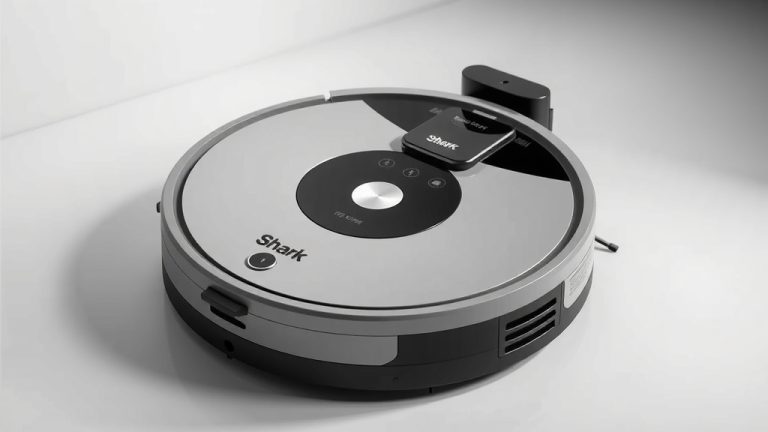
You’ll notice Shark robot vacuums have a smaller side brush that extends out from the main body. This brush is positioned to reach areas along walls and in corners where the main roller brush can’t quite reach. The side brush rotates at high speed, flinging debris toward the center of the vacuum where the main brush and suction system can collect it.
The side brush is particularly important for edge cleaning, which is historically where robot vacuums have fallen short. Without an effective side brush system, debris tends to accumulate along baseboards and in corners. Shark’s implementation of this feature is one reason the brand has gained a good reputation for edge cleaning performance.
Battery Technology and Runtime Management
Lithium-Ion Battery Specifications
Shark robot vacuums rely on lithium-ion battery packs, typically ranging from 2000 to 5200 mAh capacity depending on the model. These batteries are chosen because they offer an excellent balance between energy density, longevity, and safety. The actual runtime your vacuum achieves depends on several factors: battery capacity, suction mode, floor type, and how much debris it’s collecting.
Most Shark models provide between 60 to 120 minutes of runtime on a single charge. On a medium-power setting with light debris, you might get closer to the maximum runtime. However, if you’re running in maximum suction mode on heavily soiled carpets, expect closer to the minimum figure. The battery management system is smart enough to adjust performance based on demand, similar to how modern smartphones manage their battery life.
Auto-Dock and Recharging System
When the battery level drops to a certain threshold, your Shark vacuum automatically returns to its dock. This is accomplished through what’s called the “home return” function, which uses the same LIDAR mapping system to trace a path back to the dock. Once docked, the vacuum begins recharging through metal contacts on the dock station.
What’s clever about this system is that Shark has implemented what they call “Resume Clean” on some models. If your home is large and the battery dies before cleaning is complete, the vacuum returns to the dock, charges, and then resumes cleaning from where it left off. For really large homes or heavy-cleaning jobs, this is a game-changer because it means your entire floor still gets cleaned in one day, just in multiple sessions.
Smart Connectivity and App Integration
WiFi Connectivity Features
Most modern Shark robot vacuums connect to your home WiFi network, opening up a world of remote control possibilities. Through the Shark app on your smartphone, you can start cleaning sessions, pause the vacuum, send it back to the dock, or check on its status from anywhere you have an internet connection. It’s like having a remote control for your home cleaning, even when you’re at work or on vacation.
Beyond basic control, the app typically provides real-time notifications. If your vacuum encounters a problem, gets stuck, or successfully completes a cleaning cycle, you’ll receive a notification on your phone. Some models even show you a map of the areas that have been cleaned, so you have visibility into what’s been covered.
Voice Assistant Integration
Many Shark robot vacuums are compatible with popular voice assistants like Amazon Alexa and Google Home. This means you can simply tell your device “Alexa, start the vacuum” and your cleaning will begin without lifting a finger. Voice integration represents the convergence of multiple smart home systems, making your entire home feel more intelligent and responsive.
Scheduling and Automation
The app allows you to schedule cleaning sessions in advance. You could set your vacuum to clean every Monday, Wednesday, and Friday at 10 AM, or schedule daily cleaning during times when you’re typically away from home. This scheduling feature transforms your robot vacuum from a tool you operate into a genuinely automated system that requires minimal ongoing input.
Dustbin Capacity and Debris Management
Collection Bin Design and Capacity
Shark robot vacuums have dustbins with capacities typically ranging from 0.5 to 1.0 liters. While this might seem small compared to traditional vacuums, remember that robot vacuums clean more frequently and therefore don’t accumulate as much debris between emptying cycles. The dustbin is designed with a simple release mechanism that allows you to quickly empty it into a trash can.
The design of the bin itself is important. Shark models usually feature a sealed collection system that prevents dust from escaping during removal. Some also include cyclonic technology that helps separate debris and reduce clogs in the suction pathway. The bin houses the motor, so its size and shape directly impact what performance characteristics are possible.
Maintenance and Empty Indicator
Your Shark vacuum will notify you through the app when the dustbin is full. Most models have a sensor that detects when debris has filled the bin to capacity. This prevents your vacuum from continuing to run with a full bin, which would reduce suction efficiency dramatically. When you receive this notification, simply press the release button, slide out the bin, and empty it into the trash.
Regular emptying keeps your vacuum performing optimally. It also prevents odors from accumulating in a packed dustbin. I typically recommend emptying after every cleaning session, especially if you have pets or live in a dusty environment.
How Shark Robot Vacuums Compare to Traditional Vacuums
Efficiency and Coverage Differences
Traditional vacuums require you to physically push them through every inch of your home. Robot vacuums work autonomously but sometimes take longer to achieve the same coverage. However, because robot vacuums clean more frequently, they actually maintain cleaner floors over time. It’s like the difference between washing your car once a year versus washing it monthly—the more frequent approach results in a cleaner car overall.
Robot vacuums excel at picking up light to medium debris on a daily basis. They struggle more with deep carpet cleaning or dealing with large debris like crumbs from a messy dinner. Many people end up keeping both: a robot vacuum for daily maintenance and a traditional vacuum for periodic deep cleaning.
Convenience Factor
The convenience advantage of robot vacuums is undeniable. You don’t have to think about vacuuming—you set it and forget it. Over the course of a year, this probably saves you dozens of hours of physical labor. For people with mobility issues, elderly individuals, or anyone who simply values their time, this convenience factor is huge.
Real-World Performance Considerations
Factors That Affect Cleaning Performance
Several environmental factors impact how well your Shark robot vacuum performs. Thick carpets slow down the vacuum and reduce battery runtime. Dark floors can sometimes confuse cliff detection sensors because they reflect less light. High-pile carpets can cause the brush roll to work harder and may sometimes cause the vacuum to get stuck.
Home layout also matters significantly. Open-plan homes are ideal for robot vacuums. Homes with lots of furniture, tight corners, and narrow passages can present challenges. Similarly, if you have multiple levels, your robot vacuum can only clean the level it’s placed on—it can’t navigate stairs.
Pet Hair and Debris Challenges
If you have pets, you already know that hair accumulation is a real issue. Robot vacuums can struggle with pet hair wrapped around the brush roll. Most Shark models address this with hair removal tools in the box, and the rubber-bristle hybrid brushes are better at preventing hair tangles than purely synthetic brushes. However, you’ll still need to do periodic maintenance on the brush roll to remove wrapped hair.
Troubleshooting Common Issues
Getting Stuck or Lost
Sometimes robot vacuums get stuck under furniture or become confused about their location. If your Shark vacuum frequently gets stuck in the same spot, you can use virtual boundaries in the app to prevent it from accessing that area. Alternatively, you can physically remove the problematic item or furniture that’s causing the issue.
If the vacuum seems lost and won’t return to the dock, ensure it has a clear path to the dock and try restarting it. If the problem persists, the mapping system may need to be reset—consult your user manual for instructions on how to do this.