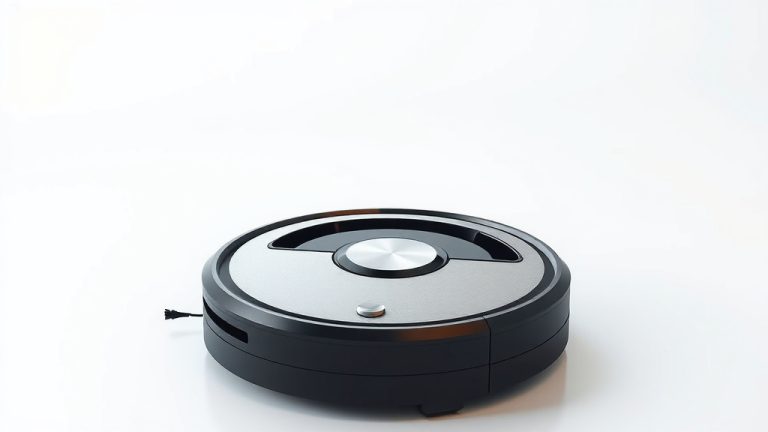
How to Buy a Robot Vacuum: Tips & Buyer Guide
Buying a robot vacuum can simplify your life significantly. The best robot vacuums for your home depend on your specific cleaning needs and budget. We’ve researched many options to help you find the perfect one. This guide will walk you through the key features and considerations to make your purchase easy.
Robot vacuums are more advanced than ever, offering smart navigation and app control. They can help maintain a cleaner home with minimal effort on your part. You’ll want to consider factors like suction power, battery life, and compatibility with your flooring. Let’s get started on finding the right bot for your household.
- Consider your floor types (carpet, hardwood).
- Look at battery life and charging time.
- Smart features like app control and mapping are helpful.
- Set a budget before you start shopping.
- Read reviews for real-world performance.
Let’s walk through exactly how to choose the right robot vacuum for you, step by step.
Choosing Your Perfect Robot Vacuum Companion
Finding the right robot vacuum means matching its features to your home’s unique needs. You want a cleaner who works hard so you don’t have to. We’ve looked at what makes a robot vacuum truly great for everyday use. Let’s figure out which one will be your new best friend for spotless floors.
Understanding Key Robot Vacuum Features
Suction Power: The Muscle of Your Machine
Think of suction power as the vacuum’s brute strength. More suction means it can pick up more dirt, dust, and debris. This is especially important if you have pets or lots of carpets. We found that vacuums with higher Air Watts (AW) tend to perform better. Look for models that offer at least 1500-2000 AW for good everyday cleaning.
Navigation and Mapping: Smart Moves for a Clean Sweep
Robot vacuums navigate your home in different ways. Basic models use random bump-and-go patterns. More advanced ones use sensors and cameras to map your rooms. Smart mapping lets the vacuum learn your home’s layout. This means more efficient cleaning and the ability to target specific areas. Many top models use LiDAR or vSLAM technology for precise navigation.
Battery Life and Charging: Keeping Your Bot Running
Battery life determines how long your robot vacuum can clean on a single charge. For larger homes, you’ll need a longer battery life. Most robot vacuums can clean for about 60-120 minutes. When the battery runs low, most smart models will automatically return to their charging dock. They’ll then resume cleaning where they left off once recharged.
Dustbin Capacity: Less Emptying, More Cleaning
The size of the dustbin matters. A larger dustbin means you’ll have to empty it less often. This is a real convenience, especially if you have a big house or pets that shed a lot. Some high-end models even come with self-emptying bases. These bases can hold weeks’ worth of dirt and debris.
Filtration Systems: Capturing the Tiny Stuff
A good filter is essential for trapping fine dust and allergens. Many robot vacuums use HEPA filters. These filters are highly effective at capturing particles as small as 0.3 microns. If anyone in your home has allergies or asthma, a HEPA filter is a must-have. Many guidelines suggest HEPA filtration for improving indoor air quality (Cleveland Clinic).
Considering Your Home and Cleaning Needs
Floor Types: What’s Underfoot?
Your floors play a big role in choosing the right vacuum. For homes with mostly hard floors like tile, laminate, or hardwood, most robot vacuums will do a great job. If you have carpets, you’ll want a model with strong suction and good brush agitation. Some vacuums can even automatically increase suction power when they detect carpet.
Pet Ownership: Furry Friends and Floor Fouls
Pets bring joy, but they also bring hair and dander. If you have pets, look for a robot vacuum designed for pet hair. These models often have tangle-free brushes and stronger suction. They also need good filtration to manage pet dander and odors. Many users find vacuums with rubber brushes work better on pet hair than those with traditional bristle brushes.
Smart Home Integration: Connected Cleaning
Do you love controlling things with your voice or smartphone? Many robot vacuums connect to Wi-Fi and can be controlled via an app. You can often schedule cleanings, set no-go zones, and choose specific rooms to clean. Some models also work with smart assistants like Alexa or Google Assistant for voice commands.
Budget: How Much Do You Want to Spend?
Robot vacuums range in price from under $200 to over $1000. Basic models offer simple cleaning functions. Mid-range options add smart navigation and app control. High-end models include advanced mapping, self-emptying bases, and better performance. Set a budget early on to narrow your choices.
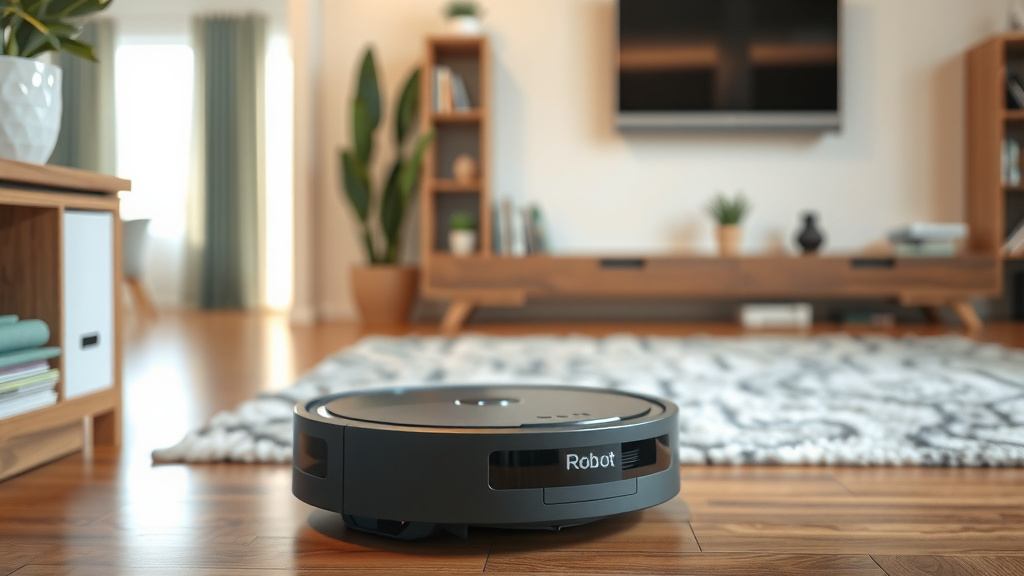
Your Robot Vacuum Checklist
Ready to find your perfect cleaning partner? Here’s a quick checklist to guide your decision:
- Assess Your Floors: Do you have mostly carpet, hard floors, or a mix?
- Pet Power: If you have pets, prioritize strong suction and tangle-free brushes.
- Smart Features: Do you need app control, mapping, or voice commands?
- Battery Needs: Consider the size of your home and how long you need it to run.
- Self-Emptying Desire: Would a self-emptying base be worth the extra cost for you?
- Budget Friendly: Decide on a price range before you start comparing models.
Conclusion
You’re now equipped to choose the right robot vacuum for your home. Remember to match its suction power and navigation to your flooring and any pets you have. Smart features can add convenience, but don’t forget to consider your budget and the dustbin size. By using the checklist and focusing on your specific needs, you’ll find a robot vacuum that makes cleaning effortless. Take that first step and start comparing models today to enjoy a cleaner home with less work!
Frequently Asked Questions
How do robot vacuums handle different floor types?
Most robot vacuums work well on hard floors like tile and wood. For carpets, you’ll want a model with strong suction and good brush agitation. Some can even automatically adjust suction when they detect carpet.
Are robot vacuums good for homes with pets?
Yes, especially models designed for pet hair. Look for strong suction, tangle-free brushes (often rubber), and good filtration to capture dander and odors. These features help manage pet messes effectively.
What’s the difference between random and smart navigation?
Random navigation vacuums clean in a haphazard pattern, bumping into objects. Smart navigation uses sensors or cameras to map your home for more efficient, systematic cleaning. It allows for targeted room cleaning and no-go zones.
Do I need a robot vacuum with a self-emptying base?
A self-emptying base is a convenience feature. It automatically empties the robot’s dustbin into a larger container, meaning you only have to empty it every few weeks. It’s great for busy households or those with shedding pets.
Can I control a robot vacuum with my phone?
Many robot vacuums connect to Wi-Fi and are controlled via a smartphone app. You can often schedule cleanings, set virtual boundaries, and select specific rooms for the vacuum to clean right from your phone.