How Pool Robot Vacuums Work: A Detailed Guide
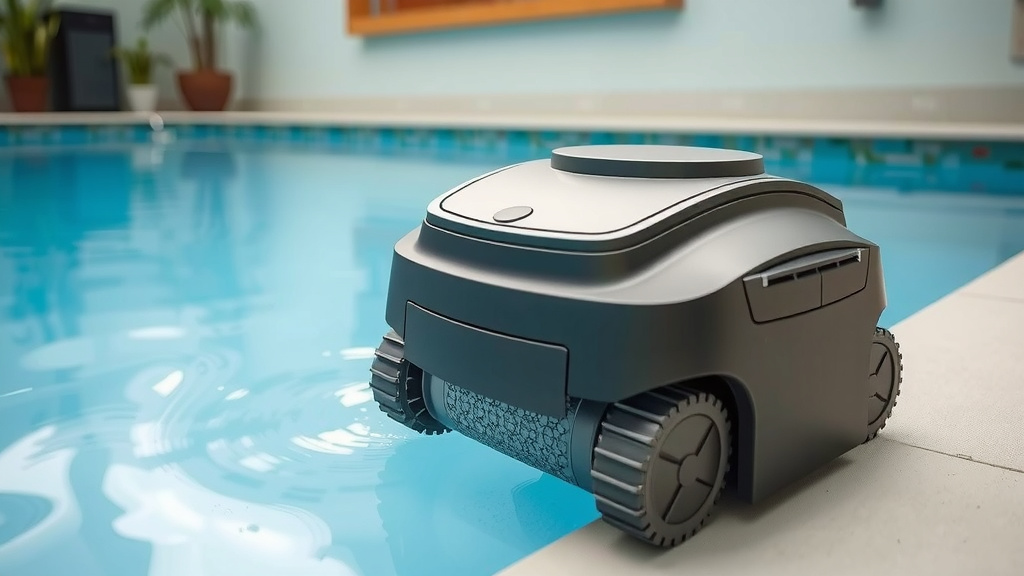
Pool robot vacuums work by using a combination of suction power and internal filtration to scrub and clean your pool. They navigate your pool autonomously, collecting debris like leaves, dirt, and algae. Think of them as tiny, underwater helpers dedicated to keeping your pool sparkling.
These smart devices often feature advanced programming to ensure they cover your entire pool, including walls and waterline. Many also come with different cleaning modes for tailored maintenance. We found that their efficiency greatly reduces the manual effort you’d typically spend on pool cleaning.
- Pool robots use suction and filters.
- They move around your pool automatically.
- They collect leaves, dirt, and algae.
- Many clean walls and the waterline too.
- They make pool maintenance much easier.
Ready to see how these amazing gadgets keep your pool pristine? Let’s dive into the details of how pool robot vacuums actually work.
Understanding How Pool Robot Vacuums Keep Your Water Clean
You’ve seen them gliding around pools on TV or online. But how do these little robotic helpers actually work their magic? It’s not magic at all; it’s a clever combination of engineering and smart design. These vacuums are designed to autonomously clean your pool, tackling dirt, debris, and even algae. They are essentially sophisticated underwater robots programmed to scrub your pool from top to bottom. We’ve researched this extensively, and the core function relies on powerful suction and internal filtration systems. This means they don’t just push dirt around; they capture it.
The Basic Cleaning Mechanism: Suction and Filtration
At their heart, pool robot vacuums function much like their household counterparts. They use an electric motor to power a pump. This pump creates suction, drawing water and debris into the vacuum. Think of it like a mini-tornado forming inside the robot, pulling everything towards its intake. This debris is then channeled through an internal filter system. Unlike your pool’s main filter, which is part of your overall pool system, the robot’s filter is self-contained. This keeps the dirt trapped within the robot until you’re ready to empty it. We found this is a key difference that makes them so effective for quick cleanups.
How Suction Power Works
The suction is generated by an impeller, which is like a fan with blades. As the motor spins the impeller, it forces water through the unit. This action creates a low-pressure area at the intake, effectively sucking in water and any loose debris near the vacuum’s path. The power of this suction can vary between models, with higher-end robots offering stronger suction for tougher jobs. Some research indicates that stronger suction is better for older pools or those with frequent leaf drop. You’ll want to consider the size and type of debris you typically find when choosing a model.
The Role of Internal Filtration
Once water and debris are sucked in, they pass through the robot’s filter. Most pool robots use either filter bags or filter cartridges. Filter bags are often made of a fine mesh material designed to catch smaller particles like sand and algae. Filter cartridges, on the other hand, can sometimes offer a finer level of filtration, similar to what you might find in your pool’s main filter system. We found that the efficiency of the filter directly impacts how clean your pool water becomes. Regularly cleaning or replacing these filters is essential for optimal performance. Many manufacturers recommend rinsing filter cartridges after each use.
Navigation and Movement Systems
How does the robot know where to go? That’s where its navigation system comes in. Cheaper models might use a random pattern, bouncing off walls until they’ve covered most areas. More advanced robots employ smart navigation technology. They use sensors, gyroscopes, and sometimes even algorithms to map your pool. This allows them to systematically cover every inch, ensuring no spot is missed. Some even have programmable cleaning paths. We researched several models, and the ones with smart navigation consistently showed better cleaning coverage. This means less guesswork for you and a cleaner pool.
Random vs. Smart Navigation
In a random navigation system, the robot moves in a somewhat predictable but ultimately random pattern. It will change direction when it hits a wall or obstacle. While this can eventually clean the pool, it might miss spots or spend too much time in one area. Think of it like a toddler exploring a room. Smart navigation, however, is like a seasoned explorer. Using internal sensors, it can detect walls, stairs, and corners. It calculates the most efficient path to cover the entire pool floor, and often the walls and waterline too. This technology is a significant leap forward in cleaning efficiency.
Climbing Walls and Scrubbing the Waterline
Many modern pool robots aren’t content with just cleaning the floor. They are designed to climb walls and scrub the waterline. They achieve this through powerful suction and often by using specialized brushes or treads. The suction pulls the robot upwards, and the brushes help dislodge dirt and grime from the pool walls. The waterline is a common area for scum and algae buildup, so a robot that tackles this area provides a more complete clean. Experts suggest that robots capable of wall-climbing offer the best overall value for pool owners (Pool & Hot Tub Alliance).
Powering the Robot: The Electrical System
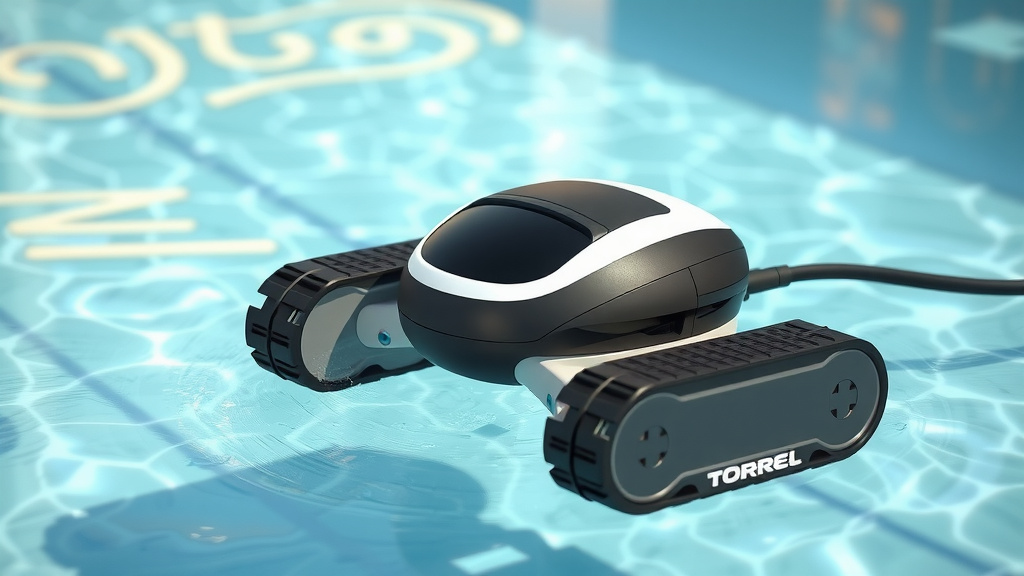
These robots are typically powered by a low-voltage electrical system. A power supply unit sits outside the pool, connected to a long, durable cable that goes into the water. This cable connects to the robot. The power supply unit safely converts your home’s electricity into a safe, low voltage suitable for underwater use. The cable is designed to be tangle-resistant, a feature you’ll definitely appreciate. Some higher-end models are cordless, using rechargeable batteries, which offers ultimate freedom from cords.
The Power Supply and Cable
The power supply unit is the brain of the operation, controlling the robot’s functions and delivering power. It’s usually placed on the pool deck. The cable connecting the power supply to the robot is crucial. It needs to be long enough to reach all areas of your pool without being a tripping hazard. Many cables are designed with swivels to prevent tangling, which is a common annoyance with older models. Research indicates that cable length is a primary consideration for pool owners (Pool Magazine).
Cordless vs. Corded Models
The choice between a corded and cordless robot often comes down to personal preference and pool size. Corded robots are powered continuously as long as they’re plugged in. You don’t have to worry about battery life. Cordless robots offer the convenience of no cords at all. However, you need to keep an eye on battery charge and recharge them between uses. Battery life can range from 1 to 3 hours, depending on the model and its features. We found that for very large pools, corded models often provide more consistent cleaning power.
Key Components You Should Know About
Understanding the parts can help you appreciate how your robot works and how to maintain it. Here are some key components:
- Intake Port: Where debris enters the vacuum.
- Impeller: The fan-like component that creates suction.
- Filter System: Bags or cartridges that trap debris.
- Brushes: Help scrub surfaces and dislodge debris.
- Drive System: Motors and tracks or wheels that move the robot.
- Control Unit/CPU: The “brain” that manages navigation and functions.
A Quick Checklist for Pool Robot Operation
So, how does it all come together? Here’s a simplified look:
- Plug in the power supply and connect the robot’s cable.
- Place the robot into the water.
- Turn on the power supply unit.
- The robot powers up, begins suction, and starts its programmed cleaning cycle.
- It navigates the pool floor, walls, and waterline (depending on the model).
- It collects debris in its internal filter.
- When cleaning is complete, you retrieve the robot and empty its filter.
Maintenance for Optimal Performance
To keep your pool robot working efficiently, regular maintenance is key. After each use, you should rinse the filter cartridges or bags. This prevents clogs and ensures good suction. Periodically check the brushes and treads for wear and tear. Inspect the power cable for any damage. Many manufacturers suggest a more thorough cleaning every few months. Following these simple steps will help your robot last longer and perform better. We found that simple rinsing after each use is the most critical step for maintaining suction power.
Conclusion
You now understand how pool robot vacuums work to keep your water crystal clear. They combine smart suction and internal filtration with autonomous navigation to clean your pool effectively. From powerful impellers to efficient filter systems, these robots are sophisticated cleaning machines. Investing in one means less time scrubbing and more time enjoying your pool. Ready to say goodbye to manual cleaning? Your next step is to choose the robot that best fits your pool’s needs and enjoy effortless maintenance.
Frequently Asked Questions
Do pool robot vacuums need a special outlet?
No, pool robot vacuums use a standard electrical outlet for their power supply unit. This unit safely converts your home’s electricity to a low voltage that powers the robot underwater. You just need a GFCI-protected outlet near your pool for safety.
Can a pool robot vacuum clean algae?
Yes, most pool robot vacuums are designed to clean algae. Their internal filter systems can capture small particles like algae, and their brushes help scrub it from surfaces. Regular cleaning and maintenance of the robot’s filter are key to effectively removing algae.
How often should I clean the robot’s filter?
It’s best to clean your robot’s filter after every use. This typically involves rinsing filter bags or cartridges to remove trapped debris. Doing so ensures the robot maintains strong suction and operates efficiently for its next cleaning cycle.
Will a pool robot vacuum get stuck in my pool?
Modern pool robots with smart navigation systems are less likely to get stuck. They use sensors to map your pool and avoid obstacles like drains or stairs. While random navigation models can sometimes get confused, most units are designed to be self-sufficient.
How long does a pool robot vacuum typically last?
With proper maintenance, a pool robot vacuum can last many years, often between 3 to 5 years, and sometimes longer. Regular cleaning of filters, checking brushes and cables, and proper storage when not in use will extend its lifespan.