How to Clean Robot Vacuum Poop: Easy Fix Guide
The easiest way to clean robot vacuum poop is to act fast. Grab paper towels and a disinfectant wipe. Gently remove the bulk of the mess, then use the wipe to clean affected areas. It’s best to avoid spreading it further.
We know that rogue poop incidents are a homeowner’s worst nightmare. Robot vacuums can sometimes push the mess around. This can turn a small problem into a bigger cleaning task. Luckily, with the right steps, you can handle this situation effectively and get your robot back on track in no time.
- Stop your robot immediately if it encounters poop.
- Use paper towels to pick up the solid waste.
- Disinfect the robot’s sensors and brushes thoroughly.
- Clean the affected floor area with an appropriate cleaner.
- Check your robot’s manual for specific cleaning instructions.
Let’s walk through exactly how to tackle this messy situation step by step, so you can get back to enjoying your clean floors.
“`htmlTackling the Unthinkable: Your Robot Vacuum and Pet Poop Incident
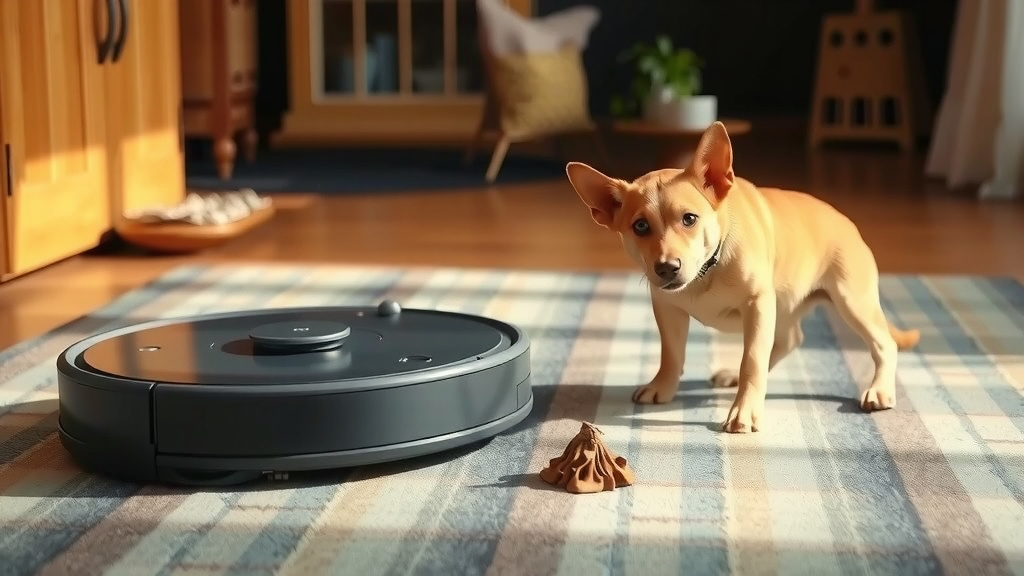
It’s the moment every smart home owner dreads. You hear your robot vacuum whirring along, only to discover it has met a very unfortunate, and very messy, fate: a dog or cat poop encounter. Don’t panic! We’ve researched the best ways to handle this situation. Your goal is to clean your robot vacuum and the surrounding area quickly. We will guide you through the steps to get your home back to normal.
Immediate Steps When Disaster Strikes
The absolute first thing you should do is stop your robot vacuum immediately. If it’s still running, it will likely spread the mess further. You don’t want to turn a small accident into a widespread disaster zone. Many experts recommend cutting off power to the robot at the source if possible, like by removing it from its charging dock or pressing the power button.
Contain the Damage: Your First Line of Defense
Grab some paper towels. Gently and carefully scoop up as much of the solid waste as you can from the robot’s brushes, wheels, and undercarriage. Try to lift the poop away, rather than smearing it. Think of it like scooping a litter box, but with a lot more caution. This initial step prevents the mess from getting deeper into the vacuum’s components.
Assess the Robot’s Condition
Once the bulk of the waste is removed, take a good look at your robot. Where did the poop make contact? Usually, it’s the brushes and wheels. Sometimes, it can get on the sensors or even the main body of the vacuum. Understanding the extent of the mess will help you know where to focus your cleaning efforts.
Deep Cleaning Your Robot Vacuum
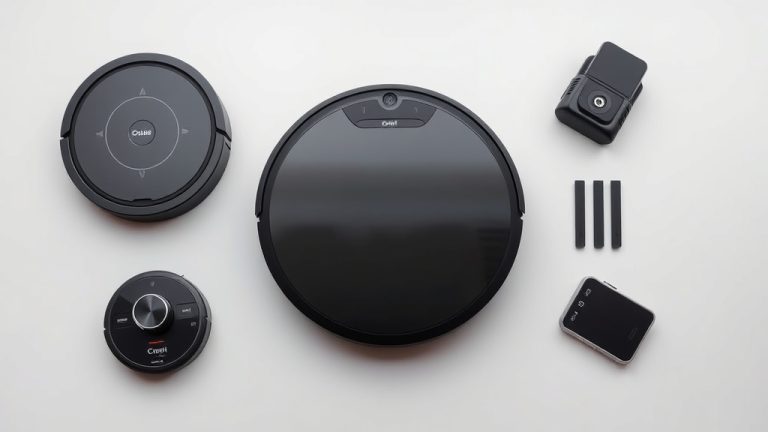
Now that the immediate crisis is averted, it’s time for a thorough cleaning. This is where you’ll need a few supplies. We found that having a good set of cleaning tools makes this process much smoother. You’ll want paper towels, disinfectant wipes, a small brush (like an old toothbrush), and possibly some cotton swabs.
Cleaning the Brushes and Wheels
This is often the most affected area. You may need to detach the main brush and side brushes from your robot. Many robot vacuums have simple release mechanisms. Use paper towels to remove any remaining debris. For stubborn bits, a small brush or even a pair of tweezers can be helpful. After removing solids, wipe these parts down thoroughly with disinfectant wipes. Ensure they are completely dry before reattaching.
Don’t Forget the Wheels!
The wheels are another prime spot for this kind of mess. Clean them carefully with disinfectant wipes. Make sure to get into the nooks and crannies where debris can hide. Properly cleaned wheels ensure your robot can navigate your floors without re-depositing any unwelcome remnants.
Sanitizing Sensors and Other Components
Robot vacuums rely on sensors to navigate. If poop has gotten near them, it can impair their function. Gently wipe down all external sensors with a disinfectant wipe. Be careful not to use too much liquid, as this could damage the electronics. If any poop got onto the main body of the vacuum, wipe that down too. You want to ensure every surface is clean and sanitary.
Emptying and Cleaning the Dustbin
It’s essential to empty the dustbin immediately. Do this outside if possible to avoid spreading any residual odor or particles inside your home. Wash the dustbin with soap and water. Let it air dry completely before putting it back in the robot. This prevents mildew and ensures the vacuum functions correctly.
Cleaning the Affected Floor Area
After your robot is clean, you can’t forget the floor! The area where the incident occurred needs to be disinfected. Use a floor cleaner appropriate for your flooring type. Many guidelines suggest using a mild soap and water solution or a commercial floor cleaner. Always follow the manufacturer’s instructions for your specific flooring.
Dealing with Stains and Odors
If there are any lingering stains or odors, you might need a more specific cleaner. For carpet, a pet stain and odor remover can be very effective. For hard floors, a vinegar and water solution can sometimes help neutralize odors. Many pet odor removers are available that are safe for most floor types (Cleveland Clinic). Always test any cleaner in an inconspicuous spot first.
Preventing Future Poop-tastrophes
We know, nobody wants a repeat performance. Prevention is key! Many robot vacuum manufacturers offer solutions for pet waste. Some advanced models have “poop detection” features using cameras and AI. If your robot doesn’t have this, consider using it only when you are home and awake, or schedule cleaning times when your pets are also supervised or outside.
Regular Maintenance is Your Friend
Keeping your robot vacuum’s brushes and sensors clean as part of your regular maintenance routine can help. When your robot is clean and functioning properly, it’s less likely to struggle with unexpected messes. Check your robot’s manual for specific cleaning and maintenance schedules recommended by the manufacturer.
A Quick Checklist for Poop Patrol
- Stop the robot immediately.
- Scoop up bulk solids with paper towels.
- Detach and clean brushes and wheels.
- Wipe down sensors and robot body.
- Empty, wash, and dry the dustbin.
- Disinfect the affected floor area.
Conclusion
Dealing with a robot vacuum and pet poop is certainly not fun, but you’re now equipped to handle it. Remember, acting fast is your best defense against a widespread mess. Quick scooping and thorough disinfection of your robot and floors are key. By following these steps, you can turn a messy mishap into a manageable cleanup. Keep up with regular robot maintenance and consider prevention features to avoid future incidents. Your next step? Schedule a quick check of your robot’s brushes and sensors, just to be prepared!
Frequently Asked Questions
How often should I check my robot vacuum for pet waste?
It’s a good idea to do a quick visual check of your robot vacuum’s brushes and underside after every cleaning cycle, especially if you have pets. This can help you catch any potential problems before they become a bigger issue. Regular checks make unexpected messes much easier to manage.
Can I use a vacuum cleaner to suck up the poop from my robot vacuum?
No, you should avoid using your vacuum cleaner to suck up pet waste from your robot vacuum. This can clog your vacuum and spread the mess further. It’s best to manually scoop out the solid waste with paper towels first, then disinfect the affected areas.
What should I do if the poop has dried onto my robot vacuum?
If the poop has dried, you may need to gently scrape off the hardened bits with a plastic scraper or a damp cloth. Let the area soften with a damp cloth for a few minutes before attempting to remove the dried waste. Then, proceed with disinfecting and cleaning as usual.
Will a poop incident damage my robot vacuum permanently?
Generally, a single poop incident won’t cause permanent damage if cleaned promptly and thoroughly. However, if waste is left to sit, it can corrode parts, clog motors, or interfere with sensors. Prompt cleaning is essential for the longevity of your robot vacuum.
Are there robot vacuums specifically designed to avoid pet waste?
Yes, some newer and more advanced robot vacuums come equipped with obstacle and pet waste detection technology. These models use cameras and AI to identify and avoid solid waste. If you frequently have this problem, researching these models might be a worthwhile investment.