Robot Vacuum Prices: How Much Do They Cost
Robot vacuums can cost anywhere from $150 to over $1,000. The price really depends on the features you want. Basic models for simple cleaning are more affordable. Advanced robots with smart mapping and self-emptying bins cost more.
When you’re thinking about how much a robot vacuum is, consider what you need it to do. Do you have pets? Is your home large? These factors influence the best robot vacuum for your budget. We found that prices can vary widely between brands and models.
- Robot vacuums range from $150 to $1,000+.
- Price depends on features like smart mapping and self-emptying.
- Pet owners may need higher-end models.
- Smart home integration adds to the cost.
- Consider your home size and cleaning needs.
Let’s break down the costs and features so you can find the perfect robot vacuum for your home and wallet.
Understanding Robot Vacuum Price Points
So, how much cash are you looking at for these little cleaning wizards? You can find robot vacuums ranging from a budget-friendly $150 all the way up to over $1,000. It’s a pretty wide spectrum, right? The biggest factor driving this price difference is the features packed into each model. Think of it like buying a car – a basic sedan gets you from point A to B, but a luxury SUV with all the bells and whistles will cost you more.
We’ve found that the more advanced the technology and the more hands-off your cleaning experience becomes, the higher the price tag will be. If you’re just after something to handle everyday dust bunnies on hardwood floors, you might be perfectly happy with a simpler, less expensive option. But if you have a bustling household with pets and kids, or you want your robot to be smarter than a whip, you’ll likely need to invest a bit more.
Budget-Friendly Robots: Under $300
Looking for a robot vacuum without breaking the bank? You can definitely find capable options in the under $300 range. These are your entry-level heroes, perfect for smaller homes or apartments with minimal carpeting. They usually focus on the core job: sucking up dirt and debris.
What to Expect in This Price Bracket
In this category, you’ll typically get a robot that uses random navigation. This means it bounces around your room, changing direction when it bumps into something. It’s not the most efficient, but it gets the job done eventually. Think of it like a little bee buzzing around, covering most areas. Battery life is usually decent, enough for about an hour to an hour and a half of cleaning.
These models often have decent suction power for daily messes. They’re great for picking up dust, pet hair, and crumbs from hard floors. Some can handle low-pile carpets, but don’t expect miracles on shag rugs. You’ll usually control them with a remote or a basic smartphone app. Smart home integration, like voice commands, is rare here.
Who Are These For?
These are ideal for first-time robot vacuum buyers. If you live in a studio apartment or a small home with mostly hard floors, this could be your sweet spot. They’re also a good choice if you have minimal pet traffic or just want to keep things tidy between deeper cleans. They offer a nice introduction to the convenience of robotic cleaning without a huge commitment.
Mid-Range Robots: $300 – $600
Ready to step up your cleaning game? The $300 to $600 range is where things get really interesting. Here, you start seeing smarter features that make your robot vacuum much more efficient and useful. Many experts suggest this bracket offers the best bang for your buck for most households.
Key Features in the Mid-Range
One of the biggest upgrades you’ll find here is smart navigation. Instead of just bumping around, these robots use sensors and sometimes cameras to map your home. They’ll create a systematic cleaning path, ensuring they cover every inch without missing spots or getting stuck as often. Many can remember the layout, allowing you to set no-go zones or target specific rooms through an app.
Suction power often gets a boost, making them better equipped for medium-pile carpets and more stubborn debris. You might also see improved filtration systems, which are great for allergy sufferers. Battery life is typically longer, and some models might even have a basic self-charging feature where the robot returns to its base when low on power.
Smart Home Integration Starts Here
This is often where you’ll find basic smart home compatibility. You might be able to start, stop, or schedule cleanings using voice commands through Amazon Alexa or Google Assistant. This adds another layer of convenience, letting you clean up a spill without lifting a finger or even leaving your couch.
Who Benefits Most?
If you have a medium-sized home, a mix of flooring types, or a pet that sheds moderately, this price range is likely for you. They offer a good balance of advanced features and affordability. Homeowners looking for a more automated and efficient cleaning solution without jumping to the premium tier will find great value here.
Premium Robots: $600+
Now we’re entering the high-performance zone. If you’re looking for the absolute best in robotic cleaning, you’ll be exploring models priced at $600 and up. These robots are packed with the latest technology and offer the most convenience.
Top-Tier Technology and Convenience
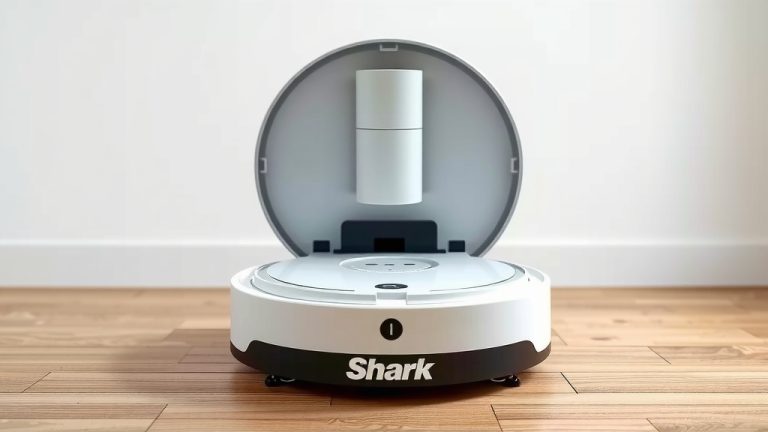
The standout feature in this price bracket is often the self-emptying base. This is a game-changer! The robot docks itself, empties its small dustbin into a larger bag or container in the base, and then recharges. This means you might only need to empty the base every month or so. It’s the closest you can get to a truly hands-off cleaning experience.
Expect advanced LiDAR or vSLAM navigation, which provides incredibly accurate mapping and object avoidance. These robots can often detect and steer clear of cables, pet waste, and other small obstacles. They offer powerful suction, dual-functionality for mopping, and the most robust app features, including detailed cleaning reports and customizable schedules.
The Ultimate Smart Home Experience
Premium models offer the most sophisticated smart home integration. They work flawlessly with voice assistants and often have their own advanced apps that allow for very specific control. You can usually divide your home into rooms, set targeted cleaning zones, and even schedule different cleaning types (vacuuming, mopping) for different areas.
Who Are These Premium Models For?
These robots are for those who want maximum convenience and performance. If you have a large home, multiple levels, significant pet hair, or simply want the most advanced cleaning technology available, this is where you’ll find it. They are also great for busy individuals or families who want to automate as much of their household chores as possible.
Factors That Influence Cost
Beyond the basic price tiers, several specific features can drive the cost of a robot vacuum up or down. Understanding these will help you pinpoint what you’re paying for.
Navigation and Mapping
As we’ve touched upon, the type of navigation is a huge cost determinant. Random navigation is cheapest. Gyroscopic or basic mapping is mid-range. Advanced LiDAR or camera-based mapping is typically found in pricier models. Better mapping leads to more efficient and thorough cleaning.
Suction Power and Performance
Higher suction power (measured in Pascals, Pa) means better cleaning, especially on carpets. Robots designed for homes with pets often have enhanced suction and specialized brushes to tackle hair. These performance boosts add to the price.
Battery Life and Auto-Charging
Longer battery life, allowing for larger cleaning areas on a single charge, will increase the cost. The auto-charging feature, where the robot returns to its base to recharge and then resumes cleaning, is also a premium feature.
Self-Emptying Technology
The self-emptying base is a significant differentiator. It adds considerably to the overall cost but offers unparalleled convenience. Without this, you’re manually emptying the robot’s small bin after each run.
Mopping Capabilities
Many newer robots now offer mopping functionality. Some just have a basic wet cloth, while others have vibrating mop pads or even self-cleaning mop stations. Robots with more advanced mopping systems command higher prices.
Smart Features and App Control
The sophistication of the smartphone app, including features like custom room cleaning, virtual barriers, and detailed cleaning history, impacts the price. Full integration with voice assistants like Alexa and Google Home is also a factor.
Cost Checklist: What to Consider
When you’re trying to figure out the right robot vacuum for your budget, keep these points in mind:
- Your home size: Larger homes need longer battery life and better navigation.
- Flooring types: Hardwood, tile, or carpet? Each needs different performance.
- Pet ownership: Pet hair requires stronger suction and good brush design.
- Desired convenience: Do you want to empty it yourself or have it auto-empty?
- Smart home integration: Do you want voice control or advanced app features?
- Mopping needs: Is a basic wipe-down enough, or do you want a true mop?
Conclusion
Robot vacuums offer a wide range of cleaning power for every budget. You can find basic models for under $300 that handle everyday dust. Stepping up to the $300-$600 range gives you smarter navigation and better carpet cleaning. For the ultimate convenience, premium models over $600 provide self-emptying bins and advanced features. To find your perfect match, consider your home size, flooring, and whether you have pets. Think about the convenience features that matter most to you. Now that you know the price points, you’re ready to find the robot vacuum that fits your life and your wallet.
Frequently Asked Questions
Are expensive robot vacuums really worth the money?
Often, yes. More expensive models usually have better navigation, stronger suction, and advanced features like self-emptying bins or superior mopping. If you have a large home, pets, or want maximum convenience, the investment can pay off in time saved and cleaning efficiency.
Can a robot vacuum clean my entire house on one charge?
It depends on the model and your home size. Budget models might only last an hour. Mid-range and premium robots often have longer battery life and auto-charging, meaning they’ll return to their base to recharge and then finish the job.
Do robot vacuums work well on carpets?
Basic models can handle low-pile carpets for light debris. Mid-range and premium robots typically have more suction power and specialized brushes that work much better on medium and even higher-pile carpets. Pet owners often need higher-end models for effective carpet cleaning.
Is a self-emptying base a necessary feature?
A self-emptying base is a significant convenience upgrade, not strictly necessary. It means you only empty the dustbin every few weeks instead of after every cleaning cycle. If you want the most hands-off experience, it’s a feature worth considering in pricier models.
How do I know which robot vacuum price range is right for me?
Consider your primary cleaning needs. For small apartments and hard floors with minimal dirt, a budget model might suffice. If you have pets, medium-pile carpets, or want better room-to-room navigation, aim for the mid-range. For large homes or the highest level of automation, premium models are likely your best bet.