Roomba vs Other Robot Vacuums: Which Is Best
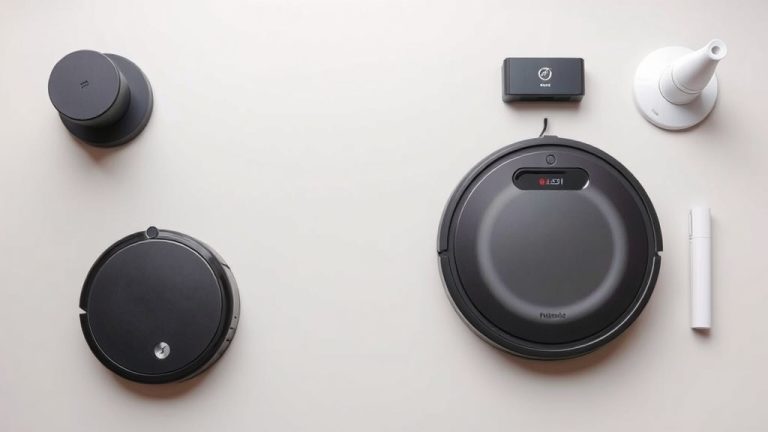
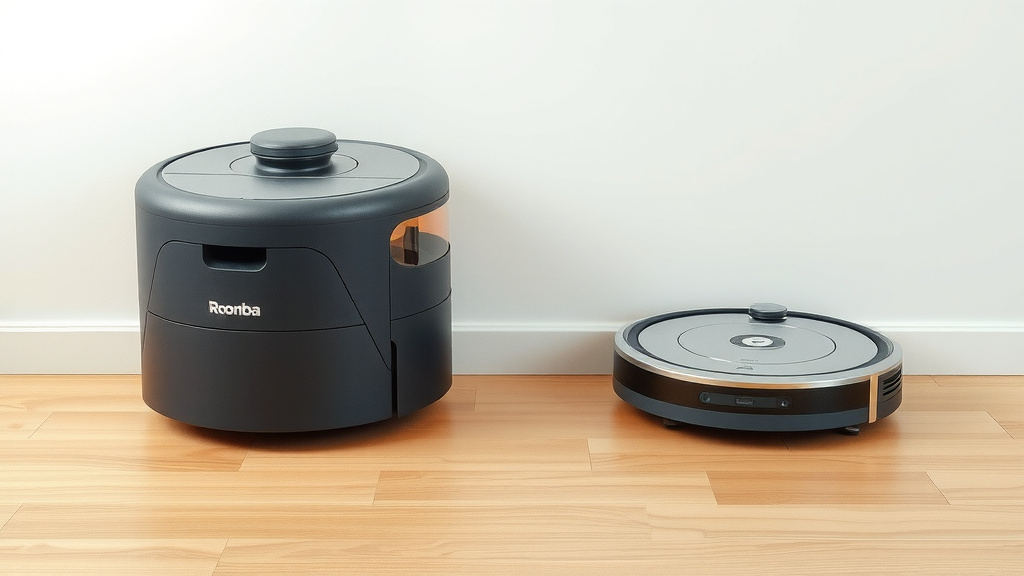
When comparing Roomba vs. other robot vacuums, Roomba often leads in brand recognition and advanced features. While many brands offer excellent cleaning, Roomba frequently pioneers new technology. Your best choice depends on your specific needs and budget.
Robot vacuums have come a long way from basic bump-and-go models. Today, you can find smart devices that map your home, avoid obstacles, and even empty themselves. We found that the overall user experience can vary greatly between brands.
TL;DR:
- Roomba is a top brand, known for innovation.
- Many robot vacuums offer great performance.
- Features like smart mapping and self-emptying differ.
- Your home’s layout and your budget matter.
- Consider reviews for real-world cleaning power.
Let’s dive into how Roomba stacks up against other robot vacuums so you can find the perfect cleaning companion for your home.
Comparing Robot Vacuums: Roomba and Its Competitors
When you’re choosing a robot vacuum, it’s easy to feel overwhelmed by options. You might wonder how the well-known Roomba compares to all the other brands out there. We’ve looked into this, and while Roomba often leads in features, many other robot vacuums offer excellent cleaning performance. Your choice really comes down to your home’s specific needs and your budget.
Key Features to Consider
Robot vacuums aren’t just about suction anymore. Today’s models come packed with smart technology. Think about what features will make your cleaning life easier. We found that the most advanced models offer a lot more than just a clean floor.
Navigation and Mapping Technology
How a robot vacuum gets around your house is a big deal. Some use random patterns, bumping into things until they’ve covered most areas. Others use cameras or lasers to create a detailed map of your home. This smart mapping allows them to clean more efficiently and avoid obstacles better. Roomba has been a leader in this area with its vSLAM technology, which uses visual sensors to navigate.
Many competitors now offer similar mapping capabilities. Brands like Roborock and Ecovacs use LiDAR or advanced visual sensors to create precise floor plans. This means they can clean in straight lines, clean specific rooms, or even avoid certain areas you designate. We found that a well-mapped robot vacuum can clean your home much faster and more thoroughly than one that just wanders.
Suction Power and Cleaning Performance
Ultimately, you want a robot vacuum that cleans well. Suction power is often measured in Pascals (Pa). Higher numbers generally mean stronger suction. However, a high Pa number isn’t the only factor. Brush design, air flow, and the ability to transition from hard floors to carpets also matter a lot. We found that even mid-range models from reputable brands can offer impressive cleaning power.
Roomba models, especially their higher-end ones, are known for their powerful suction and effective multi-surface brushes. They often perform very well on both carpet and hard floors. Competitors also have models that rival or even exceed Roomba in suction power. It’s important to look at independent reviews and testing to see how different models handle common debris like pet hair, crumbs, and dust.
Smart Home Integration and App Control
Most modern robot vacuums connect to your home Wi-Fi. This allows you to control them via a smartphone app. You can often schedule cleanings, start or stop the vacuum remotely, and view cleaning history. Many also integrate with smart assistants like Alexa and Google Assistant. You can tell your vacuum to clean a specific room using just your voice.
Roomba’s app is generally user-friendly and offers robust control options. Many competing brands also provide excellent app experiences. Some even offer more customization in their apps, such as detailed scheduling options or room-specific cleaning preferences. We found that for most users, the app experience is a key part of the robot vacuum convenience.
Self-Emptying and Maintenance Features
One of the biggest conveniences in robot vacuums is the self-emptying base. When the vacuum’s dustbin is full, it returns to its base, and the base sucks the debris out. This means you might only need to empty the base every 30-60 days, depending on your home and the model. Roomba was one of the first to popularize this feature with its Clean Base.
Today, many other brands offer similar self-emptying solutions. Some even have advanced bases that can also refill the robot’s water tank for mopping functions. Maintenance beyond emptying the bin usually involves cleaning the brushes, filters, and sensors. We found that models with self-emptying bases significantly reduce the daily chore of vacuum maintenance.
Understanding Different Robot Vacuum Types
Not all robot vacuums are created equal. They range from very basic to highly advanced. Understanding these differences can help you narrow down your choices.
Basic vs. Smart Navigation
Basic robot vacuums often use a random navigation pattern. They are generally less expensive but may miss spots or take longer to clean. Smart navigation robots, on the other hand, use sensors or cameras to map your home. This makes them more efficient and better at obstacle avoidance.
Vacuum-Only vs. Hybrid (Vacuum and Mop)
Some robot vacuums are designed solely for dry vacuuming. Others are hybrids that can also mop your floors. Hybrid models can be a great space-saver, but their mopping performance can vary. Some just lightly wipe the floor, while others offer more advanced mopping systems.
Comparing Popular Brands and Features
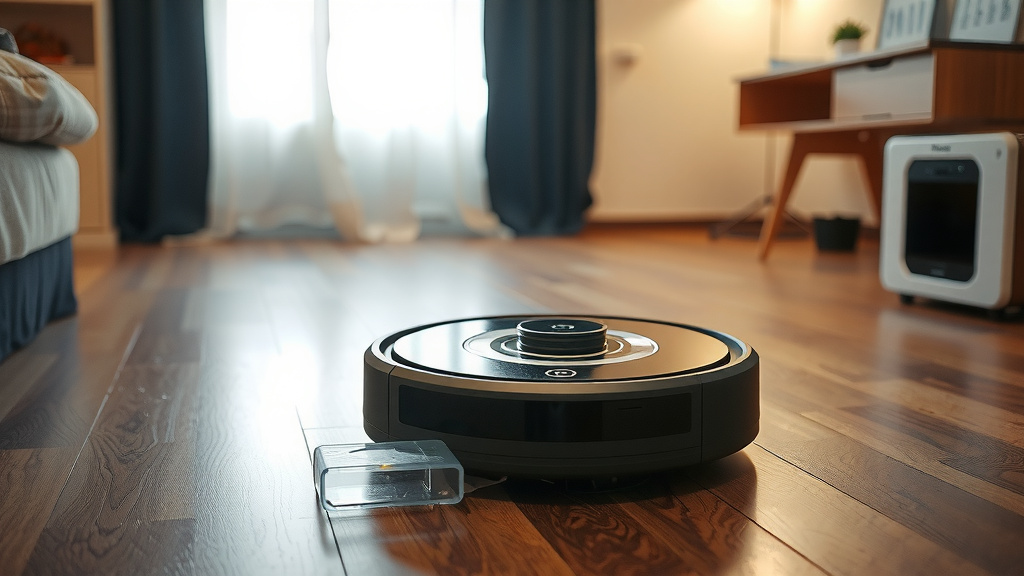
Let’s look at how Roomba generally stacks up against some of its main competitors.
Roomba, by iRobot, is often seen as the premium brand. They tend to have strong suction, good navigation, and reliable performance. Their higher-end models often introduce new technologies first. For example, their obstacle avoidance has become quite sophisticated over the years.
Competitors like Shark, Roborock, Eufy, and Ecovacs offer a wide range of models. Some focus on affordability with solid core cleaning, while others compete directly with Roomba’s premium features. Many of these brands are known for excellent value, offering advanced navigation or self-emptying at a lower price point than comparable Roomba models.
| Feature | Roomba | Many Competitors |
|---|---|---|
| Navigation | vSLAM, Gyroscope; Advanced mapping on higher models | LiDAR, Camera-based, Gyroscope; Similar mapping on many mid-to-high models |
| Suction Power | Strong, particularly on premium models | Varies widely, some models exceed Roomba |
| App Control | Good, intuitive app with scheduling and zone cleaning | Often robust, sometimes more customization options |
| Self-Emptying | Available on many models (Clean Base) | Widely available, some with advanced multi-function bases |
| Price | Generally mid-to-high range | Wide range, many affordable options with advanced features |
Making Your Final Decision
To pick the right robot vacuum for you, consider these points. Think about the size and layout of your home. Do you have a lot of carpet or mostly hard floors? Do you have pets that shed a lot? These factors influence the kind of power and features you’ll need.
Your budget is also a key factor. Roomba offers excellent performance but can be an investment. If you’re on a tighter budget, you can often find highly capable robot vacuums from other brands that meet your core cleaning needs. We found that research is your best friend here.
Quick Checklist for Choosing Your Robot Vacuum:
- Do you need smart mapping for efficient cleaning?
- Is strong suction for pet hair or carpets essential?
- Do you prefer an app for scheduling and control?
- Would a self-emptying base make your life easier?
- What is your realistic budget for this helper?
- Have you checked recent reviews for real-world performance?
Conclusion
Choosing between a Roomba and other robot vacuums ultimately depends on what you prioritize for your home. Roomba often sets the bar for innovation and performance, but many competitors offer compelling features and cleaning power at various price points. We found that smart mapping, suction strength, and self-emptying capabilities are key differentiators. Don’t forget to consider your home’s unique layout and your budget. Your next step is to research specific models that align with your needs, read recent user reviews, and find the robotic helper that best fits your life.
Frequently Asked Questions
Are Roomba vacuums really better than other brands?
Roomba is a top brand known for its advanced features and reliable performance, especially in higher-end models. However, many competitors offer excellent cleaning power and smart navigation, sometimes at a more affordable price. Your ideal choice depends on specific features you need and your budget.
How important is smart mapping in a robot vacuum?
Smart mapping is very important for efficient cleaning. It allows the robot to learn your home’s layout, clean in straight lines, and avoid obstacles. This means it can cover your whole house more thoroughly and quickly than basic, random-navigation models.
Can I control my robot vacuum with my voice?
Yes, most modern robot vacuums, including many Roombas and competitor models, can be controlled with voice commands. They typically integrate with smart assistants like Amazon Alexa and Google Assistant, letting you start or stop cleaning with simple voice prompts.
Are hybrid robot vacuums that mop worth it?
Hybrid vacuums that also mop can be a convenient all-in-one solution for light cleaning. Their effectiveness can vary, so we recommend checking reviews to see how well a specific model performs its mopping function. They are best for maintaining clean floors rather than deep cleaning.
How often do I really need to empty a self-emptying robot vacuum base?
With a self-emptying base, you typically only need to empty the larger dustbin in the base every 30 to 60 days. This frequency depends on factors like how much your pets shed, the size of your home, and how often you run the vacuum.