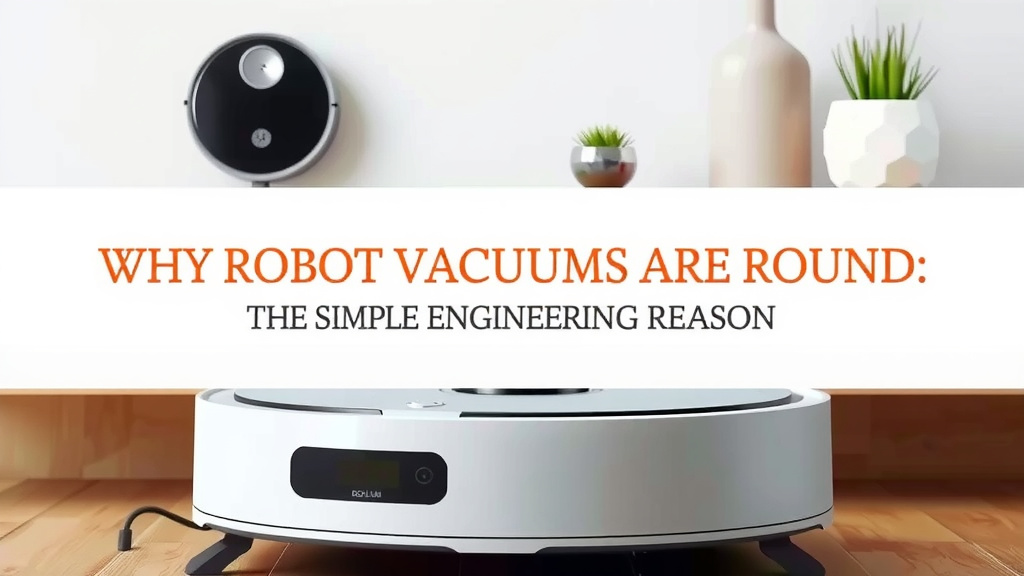
Why Robot Vacuums Are Round: The Simple Engineering Reason
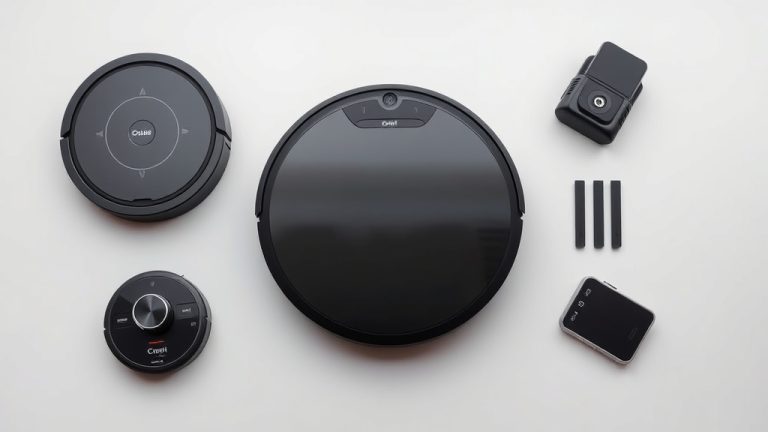
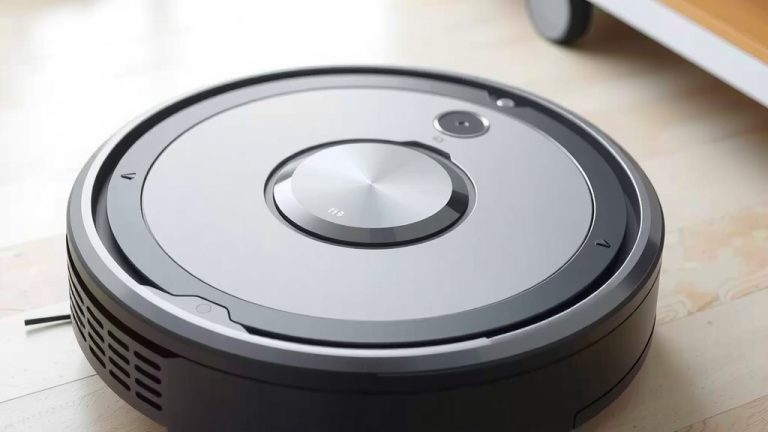
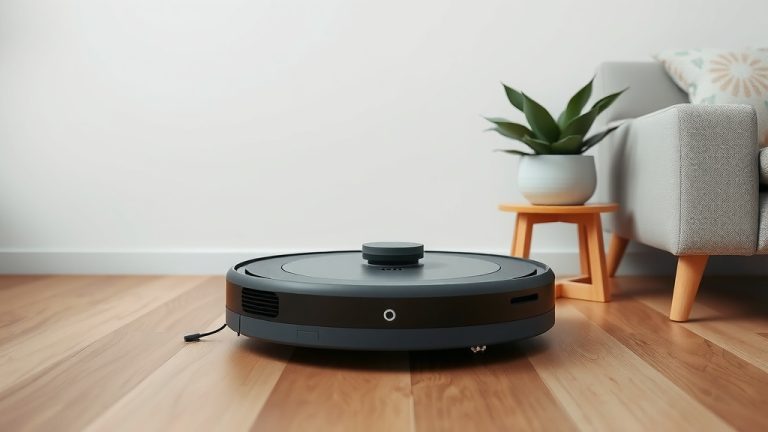
Robot vacuums are round because it’s the **most efficient shape** for cleaning. This circular design helps them navigate around furniture and get into tight corners easily. Unlike square or rectangular models, a round body avoids getting stuck as often.
The round shape allows the vacuum’s brushes to spin and sweep debris from the edges into the cleaning path. This means they can clean more effectively with less chance of bumping into walls and obstacles. Many robot vacuums have side brushes that extend outward, which also benefit from a circular base.
- Round shape is best for navigation.
- It helps avoid getting stuck on furniture.
- Circular design improves edge cleaning.
- Side brushes work better with a round base.
Let’s walk through exactly why this shape makes so much sense for your automated cleaning companion.
The Smart Shape Behind Your Robot Vacuum
You might have noticed that most robot vacuums sport a round design. It’s not an accident! This shape is a carefully chosen feature that makes them incredibly effective at cleaning your floors. Let’s dive into why this simple circle is so powerful for automated cleaning.
Navigation: The Art of the Round Move
Think about how you navigate a crowded room. You naturally adjust your path to avoid bumping into people or furniture. Robot vacuums do something similar, and their round shape is a huge advantage.
Smooth Moves Around Obstacles
A round robot vacuum glides smoothly around furniture legs and walls. Its circular body means there are fewer sharp corners to snag or get stuck on. This design helps it **move with less resistance**. It’s like a polished stone rolling, rather than a box that might catch.
Getting Into Tight Spots
Corners and edges are often the trickiest places to clean. A round vacuum can pivot easily. It can turn its body to get closer to walls and into those awkward nooks. This means it can **reach more areas** without you having to manually guide it.
Why Squares Get Stuck
Imagine pushing a square box across a bumpy rug. It’s more likely to get caught on a rug fringe or a stray toy. Square or rectangular robot vacuums would have a harder time. Their corners can easily get lodged under furniture or against chair legs. The research shows that round designs are simply **better at avoiding common household snags**.
Cleaning Power: How Round Helps Sweep
The shape of your robot vacuum isn’t just about where it goes; it’s also about how effectively it cleans.
Brushes Working Smarter
The main cleaning brushes on most robot vacuums are designed to spin. On a round vacuum, these brushes are positioned towards the front and sides. As the vacuum moves, the spinning brushes sweep dirt and debris from the edges into the vacuum’s path. This circular motion allows them to **collect debris efficiently** from a wider area before the main suction gets it.
The Role of Side Brushes
Many robot vacuums have one or two small, spinning side brushes. These are key for flicking dirt from baseboards and edges into the vacuum’s main cleaning path. A round body naturally places these side brushes in an ideal position. They can reach out and sweep **debris from the perimeter** effectively. If a vacuum were square, the side brushes might not be able to get as close to the wall or might bump into things more often.
Optimized for Edge Cleaning
This combination of the main brushes and side brushes on a round chassis means that edge cleaning is significantly improved. The vacuum can get closer to walls and corners, allowing the brushes to do their job. Many homeowners find that round robot vacuums do a **superior job along baseboards** compared to other shapes.
The Science of Smooth Movement
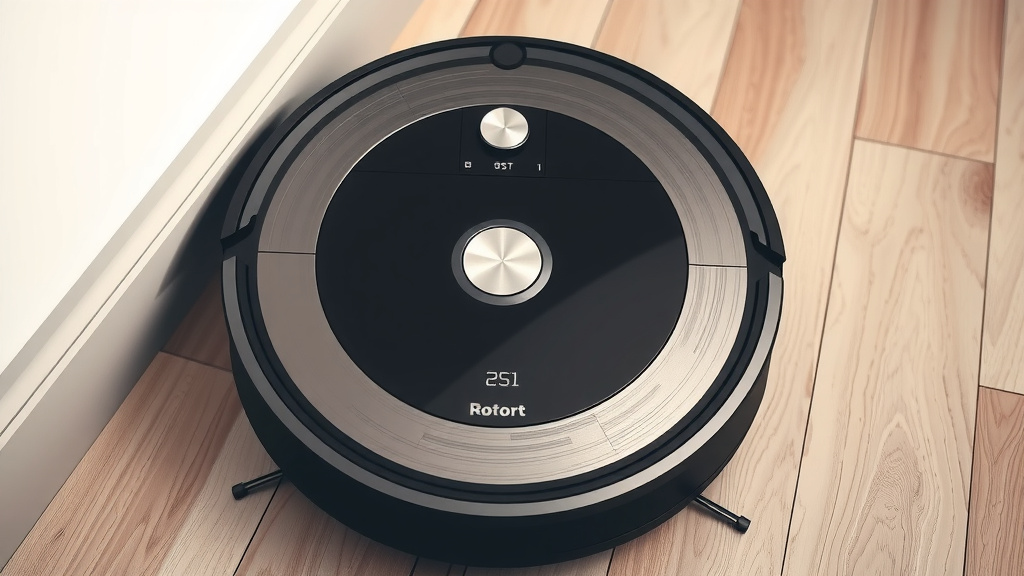
Engineers have spent a lot of time figuring out the best shapes for mobility. For a cleaning robot that needs to move around your home autonomously, round often wins.
Reducing Bumps and Scuffs
A round vacuum has no sharp edges to bang into things. When it does make contact with an object, it’s usually a gentle nudge from its curved surface. This protects both your robot vacuum and your furniture. It’s much less likely to leave scuff marks on walls or table legs. This leads to **less wear and tear** on your belongings.
How Sensors Play a Part
Robot vacuums rely on sensors to detect walls, furniture, and drop-offs. A round body allows for sensors to be placed all around the perimeter. This gives the robot a 360-degree view of its surroundings. It can gather more information about obstacles from every direction. This helps it create a more **accurate cleaning map** of your home and avoid collisions.
| Shape | Navigation Benefits | Cleaning Edge Benefits | Potential Drawbacks |
|---|---|---|---|
| Round | Smooth movement, fewer snags, easy pivoting. | Excellent edge and corner reach with side brushes. | Can sometimes miss very sharp 90-degree corners if not perfectly aligned. |
| Square/Rectangular | Can potentially reach very sharp 90-degree corners directly. | Side brushes might struggle to reach full perimeter without bumping. | More prone to getting stuck, can bump into furniture more forcefully. |
A Practical Checklist for Round Robots
Considering a round robot vacuum? Here’s what makes them a practical choice for your home:
- Effortless Navigation: They glide around furniture like a pro.
- Superior Edge Cleaning: Dirt from the edges gets swept in easily.
- Less Bumping: Protects your walls and furniture from damage.
- Smart Sensor Placement: Enables 360-degree environmental awareness.
- Reduced Getting Stuck: Fewer trips to rescue your automated cleaner.
- Durable Design: The smooth shape is built for consistent movement.
So, the next time you see a round robot vacuum zipping around your home, you’ll know it’s not just about looks. It’s about smart engineering designed for efficient, hassle-free cleaning. It’s a shape that truly works!
Conclusion
So, the round shape of your robot vacuum is no accident. It’s a clever design choice that makes it a champion navigator and cleaner. This circular form allows for smooth movement around furniture, reducing the chances of getting stuck. It also helps brushes reach edges and corners more effectively. You get a cleaner home with less fuss. Consider a round robot vacuum for its proven ability to clean efficiently and move smartly through your living space. Your floors will thank you for choosing this practical, well-engineered helper.
Frequently Asked Questions
Do square robot vacuums actually clean better in corners?
While a square robot might seem like it could fit directly into a sharp corner, research shows they often struggle. Their corners can bump into the wall awkwardly. Round robots, with their spinning side brushes, are generally more effective at sweeping dirt from edges into their path, even if they don’t physically occupy the sharpest point.
Why don’t robot vacuum manufacturers make more shapes if round is so good?
The round design consistently performs best for the core functions of navigation and edge cleaning. While other shapes have been tried, they often introduce more challenges with getting stuck or less efficient cleaning patterns. The round shape strikes a great balance for most homes.
What about robot vacuums that aren’t perfectly round, like D-shaped?
D-shaped or hybrid designs try to combine the benefits of round and square. They aim to offer better corner cleaning with a flatter front edge while still maintaining good maneuverability. These can be a good option if you have a lot of sharp corners in your home, but they still face some of the navigational trade-offs.
Can a round robot vacuum miss spots that a square one wouldn’t?
In theory, a perfectly aligned square robot could reach the absolute apex of a 90-degree corner. However, in practice, round robots with well-placed side brushes can sweep debris out of corners effectively. The round shape’s overall maneuverability often leads to more consistent coverage throughout the room.
Are there any cleaning tasks a round robot vacuum is bad at?
The main challenge for any robot vacuum, regardless of shape, is deep cleaning into very tight, complex spaces like under extremely low furniture or cluttered areas. However, for general floor cleaning and edge maintenance, the round design is highly optimized and performs exceptionally well.