
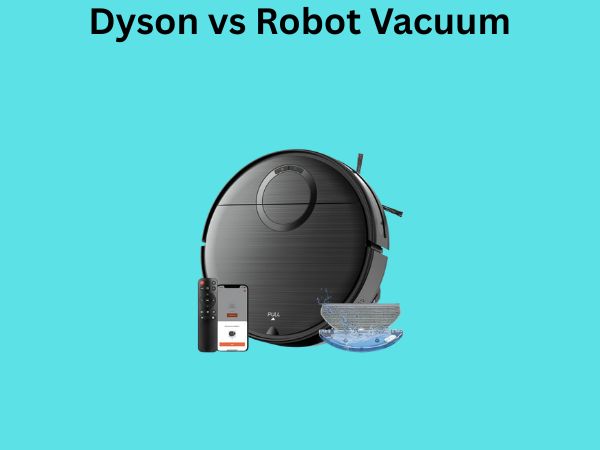
Dyson vs Robot Vacuum: Should You Go Robotic or Manual?
When it comes to keeping your home clean, you’re standing at a crossroads. On one side, there’s the trusted Dyson—a powerhouse of suction that’s been revolutionizing the way we think about vacuum cleaners. On the other side, there’s the robot vacuum, quietly gliding across your floors while you sip your morning coffee. But which one actually deserves a spot in your home? That’s the million-dollar question we’re about to explore together.
The vacuum cleaner market has exploded with options in recent years, and choosing between traditional and robotic models can feel overwhelming. Think of it like choosing between a reliable, hardworking employee and an autonomous assistant—both have their strengths, but they serve different purposes. Let me walk you through this decision-making process so you can figure out what truly works best for your lifestyle.
Understanding the Dyson Vacuum Advantage
Dyson has carved out a reputation as the premium choice for those who refuse to compromise on cleaning power. If you’re familiar with the brand, you already know they’re not messing around when it comes to suction technology. But what makes them so special, and is that reputation justified?
The Raw Power Factor
Let’s be honest—when you think about cleaning efficiency, raw power matters. Dyson vacuums use digital motor technology that spins at remarkable speeds, creating incredible suction. This means when you’re dealing with stubborn pet hair, ground-in dirt, or debris lurking in carpet fibers, a Dyson pulls it all out with authority. It’s like comparing a gentle breeze to a hurricane—both move air, but only one really gets the job done.
The suction power in Dyson models remains consistent throughout the cleaning session, which is crucial. Many vacuums lose suction as their dust bins fill up, but Dyson’s engineering keeps that pressure steady. For anyone with allergies or pets, this consistent performance can be a game-changer.
Versatility Across Multiple Surfaces
Here’s something that really sets Dyson apart: their models transition seamlessly between different floor types and surfaces. Whether you’re cleaning hardwood, tile, carpets, or that tricky area under the couch, a Dyson adapts without losing performance. Many Dyson models come with multiple attachments that let you clean stairs, upholstery, ceilings, and tight corners with genuine effectiveness.
The cordless models have changed the game entirely. You can move through your entire home without hunting for outlet locations, and you can easily access those hard-to-reach spots without wrestling with a long power cord.
Build Quality and Durability
When you invest in a Dyson, you’re investing in longevity. These aren’t vacuum cleaners designed to fall apart after a few years. The engineering is genuinely impressive, with thoughtful design details that reduce clogging and make maintenance simpler. The components are built to withstand years of heavy use, which means you’re not constantly replacing parts or dealing with repairs.
What Robot Vacuums Bring to the Table
Now let’s shift gears and talk about the robot vacuum revolution. These little machines represent a completely different philosophy—convenience and automation. But don’t dismiss them as mere gadgets; they’re actually solving real problems for real people.
The Convenience Revolution
Imagine waking up to already-clean floors without lifting a finger. That’s not fantasy—that’s what robot vacuums deliver. You can schedule them to run while you’re at work, sleeping, or handling a thousand other things. They quietly navigate your home, systematically covering every area while you focus on what matters to you.
For busy professionals, parents juggling multiple responsibilities, or anyone with mobility issues, this automation is genuinely life-changing. You’re not physically exhausting yourself pushing a heavy machine around. Instead, you’re letting technology handle the routine maintenance cleaning.
Smart Technology Integration
Modern robot vacuums come loaded with smart features that would’ve seemed like science fiction a decade ago. They map your home, learn your layout, and optimize their cleaning patterns accordingly. Many connect to your smartphone, allowing you to start cleaning sessions remotely, check their status, or schedule them on your terms.
Some premium models use LIDAR technology (that’s light detection and ranging, essentially fancy radar for robots) to navigate with pinpoint accuracy. They avoid obstacles, return to their charging docks automatically, and some even empty their own dustbins into larger containers—practically hands-free operation.
Daily Maintenance Cleaning
Here’s where robot vacuums truly excel: they’re fantastic for maintaining cleanliness between deep cleaning sessions. If you run your robot vacuum every day or every other day, your floors stay consistently clean without much effort from you. They pick up dust, pet hair, and everyday debris that accumulates naturally.
Think of a robot vacuum as the daily maintenance crew, while a Dyson is your deep-cleaning specialist. They serve different purposes, which is why many households actually own both.
Comparing Cleaning Power: The Real Story
Let’s address the elephant in the room: do robot vacuums clean as powerfully as Dyson vacuums? The short answer is no, and understanding why matters for your decision.
Suction Strength Differences
Robot vacuums, due to their compact size and weight limitations (they need to stay lightweight enough to navigate autonomously), simply cannot generate the same suction force as a full-sized upright or canister vacuum. Most robot vacuums produce around 1,000 to 2,500 PA (Pascal units of suction), while premium Dyson models can exceed 250 air watts of suction power.
This means robot vacuums might not be as effective on deep carpets, embedded pet hair, or significant debris accumulation. They’re phenomenal for surface cleaning, but they’re not replacing a thorough deep clean.
Coverage and Effectiveness on Carpets
If your home is primarily carpeted and you have pets, a Dyson will deliver noticeably better results than a robot vacuum. The brush roll and suction combination in Dyson models lifts carpet fibers and extracts trapped dirt more completely. A robot vacuum might leave some embedded debris behind, though it’s great for regular maintenance.
Stair Navigation and Edge Cleaning
Here’s a limitation of robot vacuums that trips up many people: they can’t climb stairs. If your home has multiple levels, you’ll need a traditional vacuum anyway. Additionally, most robot vacuums struggle with cleaning edges and corners, leaving small strips of uncleaned floor around furniture and walls.
Dyson vacuums, especially cordless models, easily handle stairs and can reach every corner of your home. You’re not left with cleaning gaps that require additional work.
Cost Considerations: Your Budget Matters
Let’s talk money, because this often determines the final decision for most households.
Initial Investment
Quality robot vacuums typically range from $300 to $1,000, with premium models exceeding that price point. Dyson vacuums vary widely based on the model—cordless uprights usually run between $300 to $750, while some specialty models can cost more. The entry point for both can be similar, but the high-end options differ significantly.
Long-Term Operating Costs
Robot vacuums require occasional maintenance like filter cleaning and brush replacement, but these costs are minimal. You’ll also pay a bit for electricity to run them daily. A Dyson requires similar maintenance but is more power-intensive to operate due to its higher suction levels.
The real cost difference lies in the fact that many people end up owning both—a robot vacuum for daily maintenance and a Dyson for deep cleaning. That’s a consideration for your overall budget.
Lifestyle Factors: What Actually Matters for You
Forget the specs for a moment. Let’s think about your actual life and how you spend your time.
Pet Ownership and Allergies
Do you have pets? This dramatically shifts the equation. Pet hair is relentless, and robot vacuums can handle maintenance cleaning, but they won’t match a Dyson’s deep cleaning capability. If allergies plague your household, the consistent, powerful suction of a Dyson becomes genuinely important for maintaining air quality.
Home Layout Considerations
Your home’s physical layout matters more than you might think. Open floor plans are ideal for robot vacuums because they can navigate freely. Homes filled with furniture, tight corners, and narrow passages can challenge robot vacuums. If you have multiple levels, you’re definitely cleaning stairs manually—which means a Dyson makes more sense.
Time Availability
If you’re perpetually busy and struggle to find time for household cleaning, a robot vacuum removes that friction entirely. You don’t need to carve out weekend time for vacuuming. However, if you’re home regularly and prefer the satisfaction of deep cleaning, a Dyson gives you control and immediate results.
Flooring Type
Homes with primarily hard flooring see better results from robot vacuums because picking up surface debris on tile or hardwood is more straightforward. If your home features thick carpeting throughout, a Dyson simply outperforms on this front.
The User Experience: How Each Option Feels Daily
Operating a Dyson Vacuum
Using a Dyson is straightforward and immediate. You turn it on, move it across your floors, and you see the difference immediately. Cordless models feel liberating—no cord management, no power outlet hunting. The feedback is instant: you see dirt being collected, feel the power working, and know the job is getting done thoroughly.
There’s something satisfying about the active process, though it requires your physical effort and time investment. If you have mobility issues or limited strength, pushing a vacuum around (even an efficient one) can be challenging.
Operating a Robot Vacuum
The robot vacuum experience is completely different. You set it up, press a button or schedule it through an app, and it works autonomously. You might hear it bumping around, learning your home, but you’re free to do other things. The satisfaction comes from coming home to clean floors without lifting a finger.
The tradeoff is reduced control. You can’t direct it to your messiest areas first or finish up high-traffic zones. You also need to occasionally retrieve it from places it gets stuck or ensure clear pathways for it to navigate.
Maintenance and Care Requirements
Dyson Maintenance Tasks
Keeping a Dyson in top condition involves emptying the dustbin regularly, washing filters (depending on the model), checking for clogs, and occasionally cleaning the brush roll. Most of these tasks take minutes, and the straightforward design makes maintenance intuitive. Filters are durable but eventually need replacement—usually annually depending on usage.
Robot Vacuum Maintenance
Robot vacuums require filter cleaning, brush roll inspection, and occasional wheel cleaning. Sensors need to stay clean for navigation accuracy. Dustbins are smaller, so you’ll empty them more frequently. The good news is these are all simple tasks, though they’re also more frequent.
Some premium models with self-emptying features significantly reduce this maintenance burden, though those models cost considerably more.
Environmental and Noise Considerations
Noise Levels
Dyson vacuums are noticeably louder than robot vacuums. That powerful suction comes with corresponding noise—usually around 80-90 decibels, which can disturb others in your home or neighborhood. Robot vacuums typically operate at 60-70 decibels, making them quiet enough to run without disruption.
If you’re concerned about noise, especially if you have young children who nap or you live in an apartment with noise-sensitive neighbors, a robot vacuum is definitely the quieter choice.
Energy Consumption
Dyson vacuums use more electricity per hour of operation due to their powerful motors. Robot vacuums, running daily but using less power, might actually have similar total energy consumption. If environmental impact matters to you, consider your specific usage patterns rather than making assumptions.
The Hybrid Approach: Why Many Choose Both
Here’s something worth considering: many households find the optimal solution involves owning both types. A robot vacuum handles daily maintenance while you’re at work or sleeping, and a Dyson tackles weekly deep cleans and handles stairs or carpeted areas requiring serious cleaning power.
This combination isn’t necessarily extravagant—it’s strategic. The robot vacuum reduces the frequency you need the Dyson, potentially extending its lifespan and meaning less physical effort overall. For families with pets, allergies, or large homes, this dual approach often makes perfect sense.
Making Your Final Decision
Choose Dyson If:
- You have thick carpeting throughout your home
- Pet hair is a significant concern
- Your home has multiple levels with stairs
- You prefer active control and immediate results
- You want maximum cleaning power in one device
- You have furniture-heavy rooms with tight spaces
Choose a Robot Vacuum If:
- You have primarily hard flooring
- Your schedule is busy and time is precious
- You value automation and convenience
- Noise levels are a concern in your household
- You prefer daily light cleaning over weekly deep cleans
- You want hands-off floor maintenance
Consider Both If:
- You have pets and multiple floor types
- Your household has allergies
- You want comprehensive cleaning coverage
- You have the budget and space for both
- You want maximum flexibility and options
Conclusion
The Dyson versus robot vacuum debate doesn’t have a universal winner because the right choice genuinely depends on your unique situation. Dyson vacuums are exceptional at what they do—delivering powerful, thorough cleaning that’s hard to match. They’re ideal for those who need serious cleaning muscle, particularly for carpeted homes or pet owners.
Robot vacuums represent a different value proposition entirely. They automate the routine and free up your time, making floor maintenance something that happens without your direct involvement. They’re perfect for people who prioritize convenience and want consistent daily cleaning without effort.
Neither option is objectively superior—they’re simply different tools solving different problems. Take time to assess your home layout, your schedule, your flooring types, and your budget. Consider whether you’re looking for convenience or cleaning power, daily maintenance or weekly deep cleaning, autonomous operation or hands-on control.
Some people will find their answer immediately. Others might discover that the hybrid approach—owning both a robot vacuum and a Dyson—actually provides the best overall solution. Whatever you choose, make sure it aligns with how you actually live, not how you think you should clean. That’s the key to real satisfaction with your choice.
Frequently Asked Questions
Can a robot vacuum completely replace a traditional Dyson vacuum?
Not typically, especially if you have carpeted floors, pets, or allergies. Robot vacuums excel at daily maintenance cleaning on hard floors but lack the suction power for deep carpet cleaning or handling heavy debris loads. Most experts recommend robot vacuums as a complement to traditional vacuums rather than a complete replacement, though they might work adequately as your only vacuum if your home has minimal carpeting
![7 Best Robot Vacuum Mid Range [2026]](https://robotvacuumfact.com/wp-content/uploads/2026/08/7-best-robot-vacuum-mid-range-2026-featured-768x432.jpg)
![7 Best Budget Robot Vacuum For Hard Floors [2026]](https://robotvacuumfact.com/wp-content/uploads/2026/08/7-best-budget-robot-vacuum-for-hard-floors-2026-featured-768x432.jpg)
![7 Best Mop Vacuum Robot [2026]](https://robotvacuumfact.com/wp-content/uploads/2026/06/7-best-mop-vacuum-robot-2026-featured-768x432.jpg)