How Often Should You Run Your Pool Robot Vacuum
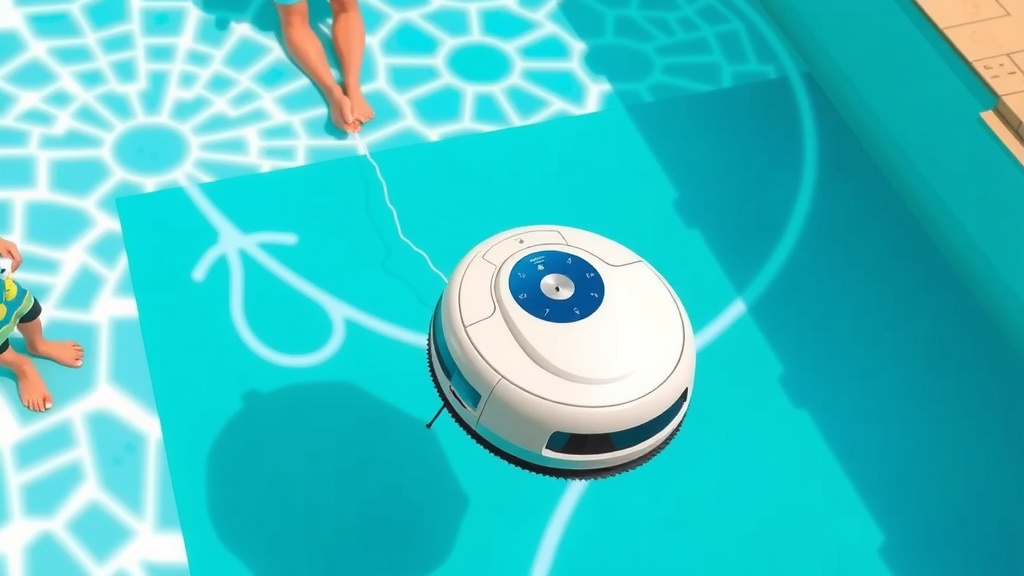
You should run your pool robot vacuum 2-3 times per week, or even daily if needed, to keep your pool consistently clean and free from debris. The ideal frequency for running your pool robot depends on factors like pool usage, surrounding environment, and the season. Aiming for regular cleaning prevents algae buildup and keeps your water sparkling. Consistent cleaning is key.
Running your robot vacuum regularly means less scrubbing for you. It helps maintain water clarity and reduces the strain on your pool’s filtration system. Think of it as your pool’s personal spa treatment! Many pool owners find that more frequent runs during peak swimming seasons prevent major messes from accumulating. It’s a smart way to enjoy your pool more.
- Run your pool robot 2-3 times weekly.
- Daily runs are best for heavy debris.
- Season and pool usage affect frequency.
- Regular cleaning prevents algae and keeps water clear.
- Less scrubbing means more swimming time!
Let’s dive into the details and figure out the best schedule for your specific pool and lifestyle. We’ll cover what influences cleaning frequency and how to optimize your robot’s performance.
How Often Should You Run Your Pool Robot Vacuum?
The short answer is: 2-3 times per week is a great starting point for most pools. However, your specific needs might call for daily runs or fewer. Your pool robot is designed to maintain cleanliness, and consistent operation prevents debris from settling and causing issues. We found that running your robot on a regular schedule makes a big difference in pool maintenance.
Factors Influencing Your Robot’s Running Schedule
Several things affect how often your pool robot needs to work its magic. Think of it like tuning a car – you adjust based on how you drive. Your pool is no different. We’ll break down the key elements that help you find your perfect cleaning rhythm.
Pool Usage Habits
Are you hosting pool parties every weekend? Or is it more of a quiet dip on a hot afternoon? High usage means more swimmers, which can bring in more dirt and oils. If your pool is the neighborhood hot spot, you’ll likely need more frequent cleaning cycles. We found that pools used daily often benefit from a robot run at least once a day.
Your Surrounding Environment
What’s around your pool? Tall trees dropping leaves and pollen? A sandy beach nearby? These environmental factors can significantly impact how much debris ends up in your pool. A pool surrounded by lush greenery or dusty construction zones will require more attention. Many pool owners find that seasonal debris, like falling leaves, necessitates a more frequent schedule during those times.
Trees and Landscaping
If you have trees that overhang your pool, especially during autumn, you’ll see a lot more leaves and twigs. These can clog skimmers and filters if not removed regularly. Running your robot more often during these peak shedding times is a smart move. We found that this simple adjustment can prevent major cleaning headaches later.
Wind and Dust
Even without trees, wind can blow dust, pollen, and other small particles into your pool. If you live in a dry or windy climate, or if there’s a lot of activity (like construction or dirt roads) near your home, more frequent cleaning cycles are recommended. This helps keep your water clear and your filter working efficiently.
Season and Water Temperature
The season plays a big role in how often you should run your robot. During warmer months, when you use your pool more, debris tends to accumulate faster. Also, warmer water can encourage algae growth, making consistent cleaning even more important. On the flip side, during colder months when the pool is less used, you might be able to run the robot less frequently.
Peak Swimming Season (Spring/Summer)
This is prime time for pool use. More swimming means more debris. Warmer temperatures can also speed up the growth of algae and bacteria. We found that running your robot every day or every other day during these months is ideal for keeping the water clean and inviting. This prevents the buildup that can lead to cloudy water or algae blooms.
Off-Season (Fall/Winter)
When the temperatures drop and swimming becomes rare, you can often reduce the frequency. Running your robot 1-2 times per week might be sufficient. However, if you still have falling leaves or other debris, ensure the robot is running enough to keep the pool floor clear. Some experts recommend even less frequent runs if the pool is covered and unused, perhaps just once every couple of weeks.
Optimizing Your Robot’s Cleaning Cycles
Beyond just the frequency, there are ways to get the most out of your pool robot. It’s not just about hitting a button; it’s about smart operation. Think of it as giving your robot the best conditions to succeed. Here are some tips we’ve gathered:
Schedule Smart Cleaning Times
Most robot vacuums can be programmed. Running your robot at night, for example, can be beneficial. This allows the cleaner to work without being interrupted by swimmers. It also means the pool is sparkling clean and ready for you first thing in the morning. Some models even have smart features that allow them to be controlled remotely via an app, adding another layer of convenience.
Check and Empty the Filter Basket
A full filter basket means a less effective clean. You should check and empty your robot’s filter basket after each use, especially if you’ve encountered a lot of debris. A clean basket allows your robot to suck up more dirt and particles efficiently. This is one of the simplest yet most impactful steps you can take. We found that neglecting this step is a common reason for reduced robot performance.
Regular Pool Maintenance is Key
Your robot vacuum is a fantastic tool, but it works best as part of a comprehensive pool maintenance routine. Regular water testing and balancing, proper filtration system operation, and occasional manual brushing of walls and steps are still important. These tasks complement your robot’s work. Many pool professionals advise that a clean pool is a team effort. The Centers for Disease Control and Prevention (CDC) also stresses the importance of proper chemical balance for healthy swimming water.
Consider a Cleaning Checklist
To ensure you’re on the right track, consider using a simple checklist. This can help you remember all the important steps. It makes the process less daunting and more systematic. You might be surprised how quickly it becomes second nature!
- Empty robot filter basket after each use.
- Check robot’s power cord for damage.
- Inspect pool walls for areas the robot might miss.
- Test water chemistry weekly.
- Clean main pool skimmer baskets regularly.
- Ensure the robot is stored properly when not in use.
Conclusion
Keeping your pool sparkling doesn’t have to be a chore. You’ve learned that running your pool robot vacuum 2-3 times per week is a solid baseline. But remember, your pool’s needs are unique. Adjusting based on your swimming habits, the trees in your yard, and the changing seasons will ensure optimal cleanliness. Don’t forget to empty that filter basket after every run – it makes a huge difference! Now, put this knowledge to work and enjoy more crystal-clear swimming days.
Frequently Asked Questions
How often should I run my pool robot if I have trees nearby?
If you have trees that shed leaves or debris into your pool, we recommend increasing your robot’s running schedule. Consider running it daily or every other day, especially during peak shedding seasons like autumn. This will help prevent a buildup of organic matter.
Can I run my pool robot on a timer?
Yes, many modern pool robot vacuums come with programmable timers. Scheduling your robot to run at night or during times when the pool isn’t in use is a great way to ensure consistent cleaning. It also means your pool is ready for you whenever you want to take a dip.
What happens if I don’t run my pool robot often enough?
If you don’t run your robot frequently enough, you’ll likely notice debris accumulating on your pool floor. This can lead to algae growth and make your water cloudy. It also puts more strain on your main pool filtration system as it tries to catch what the robot misses.
Is it okay to run my pool robot every day?
Running your pool robot every day is perfectly fine, especially during peak swimming seasons or if your pool collects a lot of debris. Daily runs help maintain the highest level of cleanliness and prevent any buildup from becoming a problem. Just make sure to check and empty the filter basket regularly.
Should I run my pool robot in the winter?
If your pool is still in use during winter, or if you have debris like falling leaves, running your robot 1-2 times per week is a good idea. If the pool is covered and completely unused, you might be able to reduce frequency even further, perhaps just once every couple of weeks, or as needed to clear any debris.