
Edge Cleaning Secrets: How Does a Robot Vacuum Clean Corners?
If you’ve ever watched a robot vacuum glide across your living room floor, you’ve probably noticed something curious—it seems to have a love-hate relationship with corners. Sometimes it gets them spotless, other times it leaves a little dust bunny hanging out in the edges like it’s avoiding the effort altogether. So what’s really going on? How does a robot vacuum actually tackle those tricky corners that traditional vacuums handle with ease?
This question has stumped plenty of homeowners who invested in these autonomous cleaning gadgets expecting them to be the ultimate solution to floor maintenance. The truth is, corner cleaning is one of the most challenging aspects of robot vacuum technology, and understanding how these machines work their magic—or sometimes fail to—can help you make better cleaning decisions for your home.
Understanding the Basic Design of Robot Vacuums
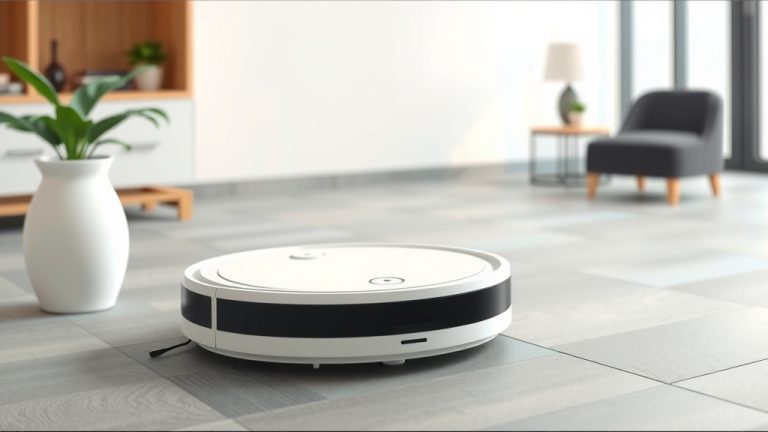
Before we dive into the corner-cleaning mystery, let’s talk about what a robot vacuum actually is. Think of it as a disc-shaped cleaning robot with sensors, wheels, and a brush system all working in harmony to navigate your floors autonomously. Unlike your traditional upright vacuum, these machines operate in a completely different way.
Most robot vacuums have a circular or slightly oval design. This shape is chosen deliberately—it allows for smooth movement and 360-degree rotation. However, this very characteristic that makes them agile and efficient on open floors becomes their Achilles heel when facing 90-degree angles and tight spaces.
The Circular Shape Paradox
Here’s where things get interesting. The circular design that makes robot vacuums so practical creates a geometric problem when dealing with corners. A circle simply cannot fit perfectly into a square angle. Imagine trying to wipe a corner with a round sponge—you’ll always leave a small triangular area untouched, right? Robot vacuums face the same issue.
How Robot Vacuums Navigate Corners: The Sensor Technology
Modern robot vacuums don’t just randomly bump into things and hope for the best. They use sophisticated sensor technology to understand their environment and plan their cleaning routes accordingly.
Types of Sensors Used
- LiDAR sensors: These use laser technology to create a detailed map of your home, identifying walls, furniture, and yes, corners with remarkable precision.
- Infrared sensors: These help the vacuum detect obstacles and prevent collisions before they happen.
- Cliff sensors: These keep your vacuum from tumbling down stairs, which is a whole different kind of corner problem.
- Bumper sensors: These provide tactile feedback when the vacuum makes contact with something.
With all these sensors working together, your robot vacuum creates a mental map of your home. When it detects a corner, it attempts to navigate close to it and clean as much as possible. The question is: how close can it really get?
The Mechanical Design: How Brushes Handle Edges
Now we’re getting into the real mechanics of corner cleaning. Robot vacuums typically use two types of brushes to collect dirt: a main brush and side brush.
The Side Brush Advantage
This is where the real corner-cleaning action happens. Most quality robot vacuums include a side brush—usually a single rotating brush mounted on the side of the unit. This brush extends outward from the circular body and does something remarkable: it reaches into corners that the main brush cannot access.
Think of the side brush as the vacuum’s way of extending its reach. As the robot moves along a wall, this brush spins and actively sweeps debris toward the center of the vacuum, where the main brush then collects it. It’s like the side brush is saying, “Hey, I see that corner over there, and I’m going to grab whatever’s lurking in it.”
Main Brush Configuration
The main brush sits in the center belly of the vacuum and typically runs across the width of the unit. This is perfect for open floors but, as you might guess, doesn’t do much good in corners where that 90-degree angle is the enemy.
Why Robot Vacuums Still Struggle with Corners
Despite all this technology and design cleverness, most robot vacuums still leave corners less-than-perfectly clean. Why is that?
The Geometry Problem
Let’s be honest: a circular robot vacuum will never perfectly fit into a square corner. Even if your vacuum has a side brush, that brush only extends so far. There’s always going to be a tiny triangular area—usually measuring just a few inches—where the brush simply cannot reach. It’s physics, not a manufacturing defect.
Navigation and Positioning Issues
Another challenge involves how these vacuums position themselves relative to corners. Some robot vacuums struggle to get parallel enough to a wall to allow the side brush to work effectively. If the vacuum isn’t positioned correctly, it might pass by a corner without ever truly cleaning it.
Additionally, if a corner has a baseboard or trim that sticks out even slightly, the vacuum might not be able to get as close as it needs to be. The machine prioritizes not getting stuck over getting perfectly clean, which is honestly a reasonable tradeoff.
Speed and Efficiency
Robot vacuums are designed to clean your entire home in a reasonable amount of time. This means they don’t spend excessive time on any single corner. It zooms through, does its best, and moves on to the next section of the room. A human pushing a regular vacuum can slow down, angle the brush, and really focus on corners—a robot vacuum is more about covering ground efficiently.
Advanced Features That Improve Corner Cleaning
The good news? Manufacturers have noticed this issue and are working on solutions. Newer models include several features designed to tackle corners more effectively.
Smart Corner Detection
Some premium robot vacuums now include specific algorithms that recognize corners and adjust their behavior accordingly. When a corner is detected, the vacuum might reduce speed, extend its cleaning cycle in that area, or make multiple passes. It’s the robot equivalent of giving a corner extra attention.
Improved Side Brush Design
Manufacturers are experimenting with side brush designs that extend further and spin at different angles. Some newer models even feature side brushes that can adjust their position or angle dynamically. It’s a subtle change, but these improvements add up when multiplied across thousands of corners in your home.
Dual Side Brushes
A few high-end models now feature not one but two side brushes. The theory is simple: more brushes mean more reach and more cleaning power in tight spaces. Whether this is truly necessary or just clever marketing is up for debate, but it does show manufacturers are taking corner cleaning seriously.
AI-Powered Learning Systems
The latest generation of robot vacuums includes artificial intelligence that learns your home’s layout over multiple cleaning cycles. The vacuum remembers where corners are particularly dusty and can adjust future cleaning routes to spend more time in those areas. It’s like the vacuum is slowly becoming smarter about your specific home.
Different Robot Vacuum Models and Their Corner Cleaning Performance
Not all robot vacuums are created equal when it comes to corner cleaning. Performance varies significantly depending on the model, design, and price point.
Budget Models
Lower-priced robot vacuums typically have basic side brushes and simpler navigation systems. They’ll do an okay job in corners—certainly better than nothing—but don’t expect perfection. If you have a home with many corners or are particularly detail-oriented about cleanliness, you might find yourself doing some supplementary corner cleaning.
Mid-Range Models
Robot vacuums in the mid-price range usually offer better corner cleaning performance. They typically have improved side brush designs and smarter navigation systems that allow them to position themselves more effectively near walls and corners. These are often the sweet spot for most homeowners.
Premium Models
High-end robot vacuums with advanced features like LiDAR mapping, multiple side brushes, and AI learning systems provide noticeably better corner cleaning. They won’t be perfect, but they come much closer to what a human would achieve with a traditional vacuum.
Practical Tips for Better Corner Cleaning with Your Robot Vacuum
If you already own a robot vacuum and want to improve its corner-cleaning performance, here are some strategies that actually work.
Strategic Furniture Placement
This might sound silly, but it’s surprisingly effective. By rearranging furniture to create fewer dramatic corners and angles, you reduce the difficult cleaning challenges your vacuum faces. More open, flowing floor plans are genuinely easier for robot vacuums to clean thoroughly.
Regular Manual Touch-Ups
Accept that your robot vacuum might not perfect every corner and schedule regular manual touch-ups using a handheld vacuum or corner attachment on your regular vacuum. This doesn’t negate the value of your robot vacuum—it just acknowledges its limitations and works within them.
Corner Brushes and Accessories
Some creative cleaning enthusiasts place small corner brush attachments in particularly problematic corners. When your robot vacuum bumps into them, the brushes spin and collect debris. It’s a clever hack that adds a layer of passive corner cleaning.
Optimal Scheduling
Running your robot vacuum more frequently means less dirt accumulation in corners. Corners are always going to be harder to clean when they’re packed with debris. A daily cleaning cycle, even if brief, keeps corner dust from becoming a visible problem.
Check Your Brush Maintenance
A worn-out or clogged side brush won’t clean corners effectively no matter how smart your vacuum is. Regularly inspect and clean the brushes, and replace them according to the manufacturer’s recommendations. A well-maintained side brush makes a noticeable difference in corner performance.
The Future of Robot Vacuum Corner Cleaning
What does the future hold for corner cleaning technology? Manufacturers and engineers are exploring several interesting possibilities.
Modular Design Concepts
Some researchers are experimenting with robot vacuums that can separate into multiple smaller units or change their shape dynamically. Imagine a vacuum that could briefly extend a corner attachment or shift its body into a slightly more angular shape. These concepts are still in development, but they represent creative thinking about an old problem.
Hybrid Approaches
Another direction manufacturers are exploring involves combining robot vacuums with smart home technology. Imagine a system where your robot vacuum handles the bulk of your floors while smaller, more specialized corner-cleaning robots handle tight spaces. It sounds futuristic, but the technology to make this happen is nearly here.
Improved Mapping Technology
As LiDAR and other mapping technologies improve, robot vacuums will develop increasingly sophisticated understanding of their environment. Better mapping means better positioning, which means better corner cleaning without requiring dramatic changes to the physical design of the machines.
Comparing Robot Vacuums to Traditional Vacuums for Corner Cleaning
Let’s be clear about something: traditional vacuum cleaners with angled heads and hose attachments will always have an advantage when it comes to corner cleaning. A human operator can deliberately angle the brush, spend as much time as needed, and ensure perfect coverage.
Robot vacuums make up for this limitation through convenience and time savings. You’re trading some perfection in hard-to-reach areas for the ability to have your floors cleaned automatically while you’re doing something else. For most people, this is a worthwhile tradeoff.
However, if you have a home with extensive crown molding, complex furniture arrangements, or you simply can’t tolerate any dust in corners, you might want to consider keeping a traditional vacuum for supplementary cleaning rather than relying entirely on a robot.
Conclusion
So, how does a robot vacuum clean corners? The answer is: not perfectly, but increasingly better with each generation of technology.
Robot vacuums tackle corners using a combination of side brushes, intelligent sensors, and sophisticated mapping technology. The circular design that makes them efficient on open floors inherently limits their corner-cleaning capabilities due to basic geometry. A side brush helps extend reach into those 90-degree angles, but there’s always a small triangular area that remains inaccessible.
Despite these limitations, modern robot vacuums—especially mid-range and premium models—do a surprisingly good job on corners. They’re continuously improving, with manufacturers incorporating better brush designs, smarter navigation systems, and AI-powered learning capabilities. The corner-cleaning challenge that seemed insurmountable a few years ago is gradually becoming less of an issue.
If you’re considering purchasing a robot vacuum or looking to improve your current model’s performance, remember that these machines excel at general floor cleaning and convenience. Supplement them with occasional manual corner touch-ups, and you’ll enjoy spotless floors without the daily effort of vacuuming your entire home. That’s really the magic of robot vacuums—not perfection in every corner, but rather a smart, efficient solution that handles most of your cleaning needs automatically.
Frequently Asked Questions
Can robot vacuums clean corners at all, or do they just avoid them completely?
Robot vacuums absolutely can clean corners, and most modern models do so quite effectively. The side brush is specifically designed to reach into corners and edges. However, they cannot achieve 100% corner coverage due to their circular design. Most robot vacuums will clean the majority of the corner area, leaving only a very small triangular space unreached. The effectiveness varies based on the model quality, brush design, and how well the vacuum can position itself relative to the corner.
Do more expensive robot vacuums clean corners better than budget models?
Generally, yes. Premium robot vacuums typically feature superior side brush designs, better navigation systems, and more advanced sensors that allow them to position themselves more effectively near corners. They may also include features like multiple side brushes or AI-powered corner detection. Budget models can still clean corners reasonably well, but you’ll notice a performance difference if you compare them directly. The investment in a higher-end model often pays dividends in overall cleaning quality, particularly in challenging areas like corners.
Should I buy a robot vacuum if corner cleaning is important to me?
A robot vacuum is an excellent choice even if corner cleaning is important to you. The key is managing expectations and having a supplementary solution. Use your robot vacuum for daily or regular cleaning of most of your floors, and perform manual touch-ups on corners monthly or quarterly as needed. This hybrid approach gives you the convenience and time savings of automated cleaning while ensuring your corners remain clean. Alternatively, choose a premium robot vacuum model known for better corner performance.
How often should I manually clean corners if I have a robot vacuum?
The frequency depends on your home, foot traffic, and how much dust accumulation bothers you. In most homes, corners can go 4-8 weeks between manual cleaning sessions if you’re running your robot vacuum regularly. If you run your robot vacuum daily and live in a low-dust environment, corners might stay acceptably clean for several months. Watch your corners for a month or two and develop a routine that matches your comfort level. Many people find that quarterly corner touch-ups paired with daily robot vacuum runs provides excellent results.
Are there any accessories or products that can help my robot vacuum clean corners better?
While there aren’t many purpose-built accessories specifically for robot vacuum corner cleaning, you can try placing small corner brush attachments near problem areas—when your vacuum bumps into them, they help sweep debris toward the center. Additionally, ensuring your robot vacuum’s side brush is always clean and in good condition will maximize its corner-cleaning performance. Some advanced models allow you to adjust cleaning patterns or focus on specific areas through smartphone apps, which can help dedicate more attention to problematic corners.