
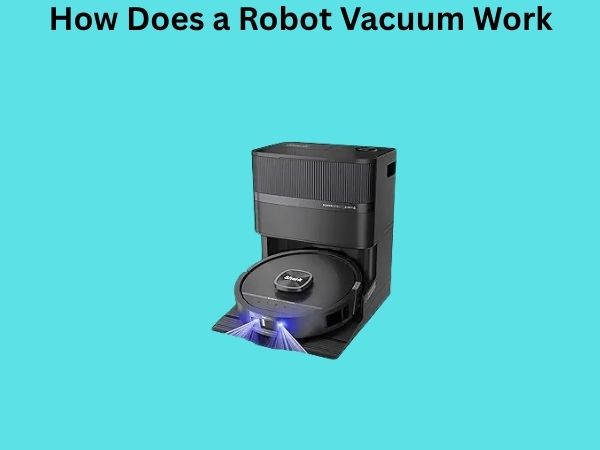
Automation Explained: How Does a Robot Vacuum Work?
Have you ever imagined coming home to a perfectly clean floor without lifting a finger? That dream is now a reality for millions of households worldwide. Robot vacuums have transformed the way we think about home cleaning, offering convenience and efficiency that traditional vacuuming simply cannot match. But here’s the thing that fascinates me most: these little circular machines operate with remarkable intelligence, navigating your home like tiny robotic explorers charting unknown territory.
The technology behind robot vacuums is genuinely impressive, combining multiple engineering disciplines into one compact device. From artificial intelligence to mechanical engineering, these machines represent a significant leap forward in home automation. Yet many people still wonder exactly how these devices actually work. If you’ve ever watched a robot vacuum glide across your floor and thought, “How does it know where to go?” then you’re about to get all your answers.
Understanding the Basic Anatomy of a Robot Vacuum
Think of a robot vacuum as a miniature spaceship designed for your living room. Just like any spaceship, it has various components working in harmony to accomplish its mission. Let me break down the main parts that make these devices function.
The Physical Structure and Chassis
Most robot vacuums share a similar disc-shaped design, typically ranging from 12 to 14 inches in diameter. This shape isn’t arbitrary—it’s engineered for optimal maneuverability and stability. The chassis, usually made from plastic, houses all the internal components while protecting them from dust and debris. You’ll notice that these devices are relatively flat, which allows them to fit under furniture like beds and sofas where regular vacuums struggle to reach.
The underside is where the action truly happens. Here you’ll find the brushes, wheels, and sensor apparatus all working together in a precisely choreographed dance. The top surface typically contains the dustbin compartment and the charging contacts, making it easy for you to empty and maintain your device.
The Brush System: More Than Just Spinning Hair
Robot vacuums employ a sophisticated brush system that works on multiple levels. The main rotating brush, positioned at the center of the vacuum’s underside, agitates carpet fibers and loosens dirt particles. This is similar to how traditional upright vacuums work, except the mechanism is contained within the robot’s body.
But here’s where it gets clever: most models also feature side brushes. These bristle outward from the main chassis and work to sweep debris from corners and edges into the path of the main brush. It’s like having two workers instead of one, with each handling a different part of the job. The combination of these brushes creates a comprehensive cleaning action that covers both the center and perimeter of your floors.
The Sensor Technology That Powers Navigation
If the brushes are the muscles of a robot vacuum, then sensors are definitely the brain. Without sophisticated sensing systems, these devices would be nothing more than confused spinning tops. Let’s explore how they see and understand their environment.
Infrared Sensors: The Boundary Detectors
One of the most critical safety features in robot vacuums involves infrared sensors. These devices emit invisible infrared light and measure how quickly it bounces back. When the light reflects back suddenly, it signals to the vacuum that an obstacle is nearby—perhaps a wall, a piece of furniture, or the edge of a staircase.
This technology works similarly to how a bat uses echolocation, except with light instead of sound. The sensors are positioned around the perimeter of the device, allowing it to detect obstacles in all directions. When the vacuum senses something directly ahead, it triggers the motors to change direction, preventing collisions. This is your robot vacuum’s first line of defense against accidents.
Bump Sensors: The Gentle Feelers
While infrared sensors provide warning from a distance, bump sensors offer a secondary layer of protection. These mechanical switches are located around the rubber bumper that encircles the device. If the vacuum does contact something—perhaps an obstacle that the infrared sensors missed—these bumpers register the impact and immediately signal the motors to reverse and redirect.
Think of bump sensors as the whiskers on a cat’s face. They provide immediate tactile feedback, allowing the vacuum to respond instantaneously. This failsafe system ensures that even if other sensors malfunction, your furniture remains safe from harm.
Cliff Detection: Preventing the Plunge
One of the most important safety features prevents robot vacuums from tumbling down stairs. Cliff sensors, typically located on the bottom of the device, work by detecting drops in floor level. These sensors emit light downward and measure the reflection. When the floor suddenly disappears—as it would at the edge of a staircase—the reflected signal changes, alerting the vacuum to stop immediately and reverse direction.
Without cliff detection, robot vacuums would be a liability in multi-story homes. This technology ensures that your device never takes an unplanned dive, protecting both the machine and your property.
The Suction Power: How Dirt Gets Captured
Now that we understand how robot vacuums navigate, let’s discuss how they actually capture dirt and debris. The suction mechanism is surprisingly sophisticated, combining several components to create powerful cleaning action.
The Motor and Fan System
At the heart of the suction system lies an electric motor that drives a fan. This motor is considerably more efficient than those in traditional vacuums because it operates at lower power levels while still generating adequate suction. The fan creates a pressure differential—a difference between the air pressure inside and outside the dustbin. This pressure difference literally sucks dirt and debris into the collection chamber.
The power of this motor directly impacts cleaning performance. Higher-end models feature more powerful motors that can generate stronger suction, making them more effective on carpets and tackling thicker debris. Budget-friendly models use less powerful motors but still provide adequate cleaning for light to moderate debris.
The Dustbin and Filtration
Robot vacuums store collected debris in a relatively small dustbin, typically holding between 0.3 to 0.6 liters of dirt. While this might seem limited compared to traditional vacuum bags, remember that robot vacuums run frequently and empty regularly. Most owners empty their robot’s dustbin several times per week, preventing overflow.
The filtration system prevents fine dust particles from escaping back into your home. Most models use a combination of filters, including HEPA filters that capture particles as small as 0.3 microns. Some advanced models feature washable filters, reducing the need for replacements and saving you money over time.
Navigation Systems: How Robots Map Your Home
Perhaps the most impressive aspect of modern robot vacuums is their ability to navigate complex home layouts efficiently. This is where the real intelligence comes into play.
Random Navigation Versus Smart Mapping
Earlier robot vacuum models used random navigation, essentially bumbling around your home until they’d covered most surfaces by accident. While this approach worked, it was inefficient and time-consuming. Modern robot vacuums have evolved dramatically.
Today’s smart models employ LIDAR technology—that stands for Light Detection and Ranging. This system works somewhat like radar but uses laser light instead of radio waves. The vacuum emits laser pulses that bounce off walls, furniture, and obstacles, creating a detailed three-dimensional map of your home in real time.
LIDAR Mapping Technology
Imagine if you could create a perfect blueprint of your home just by spinning a laser around. That’s essentially what LIDAR does. The spinning laser head on top of the vacuum collects thousands of measurement points, which the device’s onboard computer processes into a detailed floor plan. This map shows walls, furniture placement, room boundaries, and navigable pathways.
Once the map is created, the vacuum uses it to plan efficient cleaning routes. Instead of randomly bouncing around, modern robot vacuums follow systematic patterns—often moving in straight lines back and forth across rooms, a technique known as “boustrophedon” or systematic coverage. This approach covers every square inch while minimizing redundant passes.
Camera-Based Navigation Systems
Some robot vacuums use camera systems rather than LIDAR. These models capture visual information about their surroundings, using computer vision algorithms to recognize room boundaries, furniture, and obstacles. While cameras require adequate lighting, they’re often less expensive than LIDAR systems and can be quite effective in well-lit homes.
Understanding Cleaning Patterns and Efficiency
Have you ever noticed that your robot vacuum seems to follow specific patterns? This isn’t random—it’s actually intelligent path planning at work.
Systematic Coverage Patterns
Once a robot vacuum has mapped your home, it doesn’t just wander aimlessly. Instead, it calculates the most efficient path that covers every surface while minimizing wasted movement. Most advanced models use algorithms similar to those used in robotics research.
The vacuum might divide your space into virtual zones and clean each zone systematically. For large rooms, it might plan parallel paths that ensure complete coverage. For smaller spaces or areas with complex furniture arrangements, it adapts its strategy accordingly. This intelligent planning means your home gets cleaned faster and more thoroughly than it would with random navigation.
Zone Cleaning and Targeted Approaches
Many robot vacuums allow you to define specific zones within your home using their mobile apps. Maybe the kitchen gets dirtier than the bedroom, or perhaps you want your entryway cleaned more frequently. By setting up zones, you can customize cleaning schedules and intensity for different areas. Some vacuums allow you to increase suction power in high-traffic areas while using lower power in bedrooms, optimizing battery life and cleaning effectiveness simultaneously.
Battery Management and Charging Systems
Robot vacuums are cordless devices, which means they rely entirely on internal batteries. Understanding how they manage power is crucial to appreciating their functionality.
Battery Technology and Capacity
Most modern robot vacuums use lithium-ion batteries, the same technology found in smartphones and laptops. These batteries offer excellent energy density—meaning they store considerable power in a compact package. Typical robot vacuums carry batteries ranging from 2000 to 5200 mAh, allowing them to clean for 60 to 200 minutes depending on the model and conditions.
Battery life is influenced by several factors. Higher suction settings drain the battery faster. Navigating carpets requires more power than cleaning hard floors. Even the size and layout of your home affects battery consumption—larger homes and those with complex layouts require longer cleaning times.
The Auto-Dock Charging System
Here’s where robot vacuums demonstrate remarkable autonomy. When the battery level drops below a certain threshold—typically around 20 percent—the vacuum automatically calculates the path back to its charging dock and navigates there independently. The dock serves a dual purpose: it charges the battery and stores the robot when not in use.
The charging system uses simple contact pins on both the dock and the robot’s underside. When the robot aligns itself properly with the dock, these pins make contact and power begins flowing. Some advanced models can even empty their dustbins into the dock’s storage compartment, meaning you don’t need to manually empty the robot for weeks at a time.
Smart Connectivity and App Integration
Modern robot vacuums aren’t just autonomous machines—they’re connected devices that integrate with your smartphone and home automation systems.
Mobile App Features and Control
Most robot vacuum manufacturers provide mobile apps that connect to your device via WiFi. These apps offer remarkable control capabilities. You can start and stop cleaning sessions remotely, adjust suction levels, set up schedules, and even control spot cleaning—directing the robot to focus on a specific area where you’ve spilled something.
The apps also provide insights into cleaning history, maintenance reminders, and usage statistics. You can see exactly when your home was cleaned, how long the session lasted, and even get notifications if something goes wrong. Some advanced models show you a map of your home with the robot’s current location and planned route in real time.
Voice Assistant Integration
If you have a smart home setup with Alexa, Google Assistant, or Apple Siri, you can likely control your robot vacuum with voice commands. Simply say, “Start vacuum cleaning” or “Send the robot to the kitchen,” and the device responds accordingly. This integration makes robot vacuums feel like a natural part of your automated home ecosystem.
How Robot Vacuums Handle Obstacles and Challenges
No home is perfectly empty, and robot vacuums need to navigate around everyday obstacles. Let’s explore how they handle real-world challenges.
Furniture and Tight Spaces
The flat, disc-shaped design allows robot vacuums to squeeze under beds, sofas, and other low furniture where traditional vacuums can’t reach. When encountering legs of furniture, the vacuum uses its sensors to estimate clearance and safely navigates around obstacles. The side brushes sweep debris from corners and tight spaces, ensuring thorough coverage even in challenging areas.
Adapting to Different Floor Types
Moving from hardwood to carpet to tile presents different challenges, but modern robot vacuums adapt automatically. When transitioning to carpet, some models increase suction power to compensate for the increased resistance. The wheels adjust their grip, and the main brush might operate at different speeds depending on floor type. All of this happens automatically without any input from you.
Dealing with Stairs and Elevation Changes
We already discussed cliff detection, but it’s worth emphasizing how critical this is. Robot vacuums can navigate slight elevation changes—transitions between rooms with different floor heights—but they stop well before stairs or significant drops. This safety-first approach protects your investment and prevents accidents.
Maintenance Requirements and Optimal Care
Like any machine, robot vacuums require regular maintenance to operate at peak efficiency. Here’s what you need to know to keep yours running smoothly.
Regular Cleaning and Emptying
The dustbin should be emptied after every cleaning session, or at least when it reaches the fill line. A full dustbin reduces suction efficiency and can eventually damage the motor. The filters should be cleaned regularly according to the manufacturer’s recommendations, typically weekly or biweekly. Many models feature washable filters, which can be rinsed under water and air-dried before reinstalling.
Brush Maintenance and Hair Removal
The rotating brush accumulates hair and fiber, which can reduce its effectiveness. Most models require that you remove accumulated hair from the brush every few weeks. This typically involves a simple pull-out mechanism and just takes a few minutes. Neglecting this maintenance can lead to reduced suction and potential motor strain.
Wheel and Sensor Care
The wheels should be checked for debris and cleaned if necessary. The sensors, particularly the cliff detection sensors on the bottom, should be wiped occasionally with a dry cloth to maintain accuracy. These simple maintenance tasks take just minutes but significantly extend your vacuum’s lifespan and maintain optimal performance.
![7 Best Garage Robot Vacuum [2026]](https://robotvacuumfact.com/wp-content/uploads/2026/08/7-best-garage-robot-vacuum-2026-featured-768x432.jpg)

![7 Best Robot Vacuum For Hardwood Floors Reddit [2026]](https://robotvacuumfact.com/wp-content/uploads/2026/08/7-best-robot-vacuum-for-hardwood-floors-reddit-2026-featured-768x432.jpg)